Pico Island Travel Guide

Chris Isidore
| 10-11-2026
 · Travel team
Pico Island, part of Portugal’s Azores archipelago, is renowned for its volcanic landscapes and Atlantic scenery.
Dominated by Mount Pico, the highest mountain in Portugal at 2,351 meters, the island combines green countryside, black basalt formations and traditional vineyards.
Its scenic trails, coastal villages and outdoor activities make it an appealing destination for nature lovers and adventure seekers.
Pico Island
Explore the Vineyards of Criação Velha
Criação Velha is famous for its traditional vineyards, where black basalt walls divide the volcanic ground into geometric plots. Built to protect the vines from Atlantic winds, these stone enclosures create one of the island’s most distinctive landscapes.
Walking through the area reveals historic agricultural structures and beautiful views of Mount Pico. The vineyard landscape is especially picturesque in the late afternoon.
Walk the Historic Coastal Trail
The PR05PIC Vinhas da Criação Velha trail connects Porto do Calhau with Porto da Areia Larga near Madalena. This approximately 6.9-kilometer route takes around two hours to complete.
Highlights include historic cart tracks, stone vineyard walls, old wells and a restored windmill. Comfortable walking shoes, drinking water and sun protection are recommended.
Climb Mount Pico
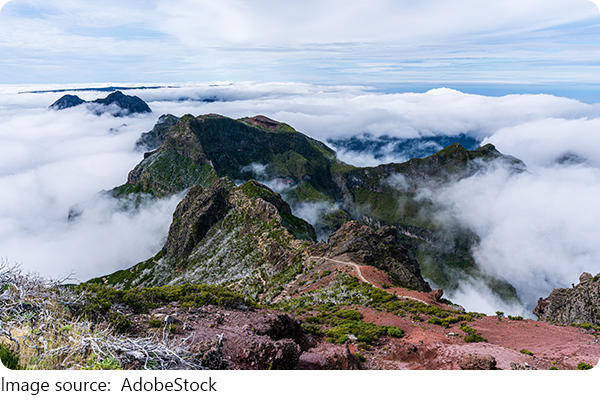
At 2,351 meters, Mount Pico is Portugal’s highest peak and the island’s defining natural landmark.
Experienced hikers can attempt the summit climb, which requires good physical preparation, suitable equipment and advance registration through the official mountain reservation system. Alternatively, scenic viewpoints and countryside roads provide excellent mountain views without a demanding hike.
Enjoy Natural Swimming Pools
Pico’s volcanic coastline features natural swimming pools formed by lava rock and filled by Atlantic seawater.
Popular bathing areas can be found around Madalena, São Roque do Pico and Lajes do Pico. These locations provide convenient access to the sea and attractive coastal views.
Visit Lajes do Pico
Lajes do Pico is a charming coastal town with a strong maritime heritage. Visitors can explore its harbor, traditional buildings and local museums while enjoying views across the Atlantic.
The town is also a convenient stop when exploring the island’s southern coastline.
How to Get There
Pico Island is accessible by air and ferry. Pico Airport connects the island with other destinations in the Azores and mainland Portugal.
Ferries link Madalena with Horta on neighboring Faial Island. The crossing takes approximately 25–30 minutes, with an estimated passenger fare of $9–$10 one way.
Renting a car is a convenient way to explore the island, with estimated daily prices of $45–$70, depending on the season and vehicle.
Local Food
Pico’s regional cuisine features fresh fish, grilled seafood, octopus, locally produced cheeses and traditional baked specialties.
Restaurants in Madalena and Lajes do Pico offer opportunities to enjoy local dishes. A seafood or fish main course generally costs around $14–$22, while a simple lunch may cost $12–$18 per person.
Accommodation
Madalena is a practical base, with convenient access to the airport, ferry terminal, shops and restaurants. Lajes do Pico offers a quieter coastal setting.
Guesthouses and simple accommodation generally require a budget of approximately $60–$90 per night, while larger properties may cost more during summer.
Best Time to Visit
May to September is a popular period to visit, offering longer daylight hours and favorable conditions for swimming, hiking and vineyard walks.
Spring and early autumn are also attractive, with pleasant opportunities to explore the countryside. Before climbing Mount Pico, check the local weather forecast, as mountain conditions can change quickly.

Experience Pico Island
With its volcanic mountain, historic vineyards and beautiful Atlantic coastline, Pico Island offers a distinctive combination of natural scenery and rural heritage. From walking through Criação Velha to exploring coastal towns and enjoying natural swimming pools, it is an excellent destination for an outdoor escape in Portugal’s Azores.