Navagio's Turquoise Cove

Yuna
| 09-11-2026
 · Travel team
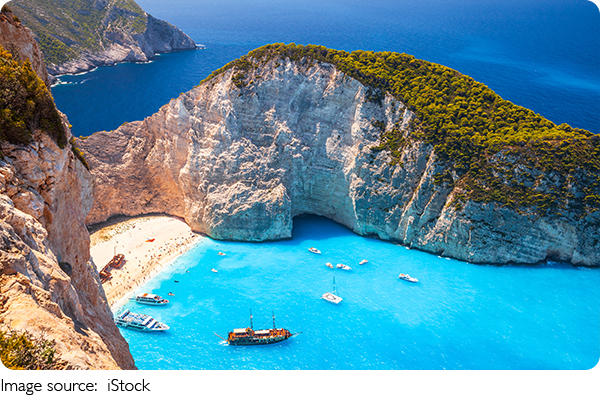
Few coastal landscapes in Greece are as instantly recognizable as Navagio Beach. Hidden beneath towering limestone cliffs on the island of Zakynthos, this spectacular cove is known for its turquoise waters, pale pebble shoreline, and the rusting shipwreck that gives it its name, Shipwreck Beach.
Although safety restrictions have changed how visitors can experience Navagio, the scenery remains extraordinary. A boat excursion along the coast or a visit to an authorized clifftop viewpoint can reveal the beauty of the bay without setting foot on its famous beach.
What Makes Navagio Beach Special?
Navagio is famous for its extraordinary natural setting. Towering limestone cliffs surround a crescent of pale pebbles, while the Ionian Sea shifts between brilliant turquoise and deep blue.
At the center of the cove lies the wreck of the Panagiotis, a vessel that ran aground in 1980. Its rusting remains have become one of the most recognizable sights in Greece.
Located on the northwestern coast of Zakynthos, the beach has no road access and is enclosed by steep cliffs.
For safety reasons, visitors cannot currently land on the beach or swim inside the restricted bay. However, the scenery can still be appreciated from authorized viewpoints and permitted boat excursions.
Take a Boat Trip Along the Coast
A boat excursion is one of the most enjoyable ways to appreciate Navagio's towering cliffs and crystal-clear waters.
Trips commonly depart from Porto Vromi, Agios Nikolaos, and Zakynthos Town, with journey times varying according to the departure harbor and itinerary.
As the boat approaches the coastline, the limestone walls gradually reveal the secluded cove and its famous shipwreck.
Due to rockfall risks, boats must remain within the designated safety boundaries, and passengers cannot disembark at Navagio. Swimming inside the restricted cove is also prohibited.
Many excursions combine an offshore view of the shipwreck with a visit to the Blue Caves, where sunlight creates beautiful reflections beneath natural rock arches.
Shorter shared excursions may start around €25 (US$29) per person, while longer trips with additional stops often cost €40–€70 (US$46–$81).
Confirm the itinerary, permitted viewing distance, and cancellation conditions before booking.
Admire the View from Above
For the classic panoramic view of Navagio, head toward the clifftop observation area above the bay.
From this elevated position, the pale shoreline, shipwreck, and surrounding turquoise water form the famous composition seen in countless photographs.
The viewpoint is reached by road through the northwestern part of Zakynthos, followed by a short walk from the parking area.
However, access depends on safety measures and the condition of the viewing platform. Rockfall and unstable cliffs have led to restrictions, so confirm whether the official observation area is operating before traveling.
Remain within designated public areas and never cross barriers or follow unofficial paths toward the cliff edge.
If the platform is accessible, allow time to appreciate the scenery without rushing. Even a brief stop can provide a spectacular perspective on the coastline.
Navagio
Choose a Comfortable Time to Visit
May, June, September, and early October are often pleasant months for exploring Zakynthos, with generally comfortable temperatures and fewer visitors than during the busiest summer weeks.
July and August bring warm weather and lively coastal activity, but popular boat excursions and viewpoints can become crowded.
For photography, morning or afternoon light can reveal different shades of blue across the water, depending on the sun's position.
Boat departures are weather-dependent, and strong winds or rough seas may cause cancellations.
If Navagio is a priority, consider allowing an extra day on the island so that an unfavorable forecast does not prevent the visit.
Explore More of Zakynthos
Navagio is an excellent reason to visit Zakynthos, but the surrounding coastline offers plenty of additional scenery.
The Blue Caves, near the island's northern tip, are especially popular for their striking rock formations and luminous water.
Some boat excursions include swimming stops at other suitable beaches or sheltered coves, depending on conditions and local regulations.
Travelers exploring by car can also discover traditional villages, olive groves, and scenic roads through the island's interior.
A relaxed coastal itinerary lets you enjoy the journey rather than treating Navagio as your only destination.
If boat access is affected by weather or restrictions, these nearby attractions provide worthwhile alternatives.
Useful Tips for Planning Your Visit
A little preparation makes visiting Navagio more comfortable, especially during the warmer months.
Bring drinking water, sunscreen, a hat, and a light layer for windy boat journeys. Keep your phone or camera secure, as sea spray can reach passengers.
If driving to the viewpoint, allow extra time for winding roads and seasonal traffic.
For organized excursions, confirm the departure harbor carefully, since different tours leave from different parts of the island.
Most importantly, check the latest safety restrictions before traveling. Beach access has been closed due to unstable cliffs, and permitted boat approaches and viewing arrangements may change.
Choose excursions that clearly explain what visitors can see and where they are allowed to go.
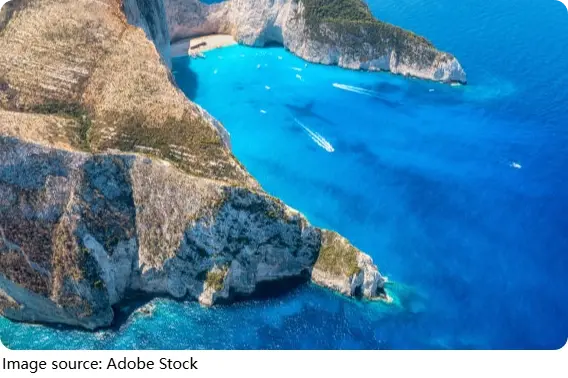
Navagio Beach remains one of Greece's most spectacular coastal landmarks, even when visitors cannot set foot on its famous shoreline. The combination of towering limestone cliffs, vivid turquoise water, and the historic shipwreck creates an unforgettable scene. Whether viewed from a permitted boat excursion or an authorized clifftop platform, the bay offers a remarkable introduction to Zakynthos. Plan around current access restrictions, allow for changing sea conditions, and consider exploring the nearby Blue Caves. The beauty of Navagio is well worth admiring from a safe distance.