Zion Canyon Wonders

Zoe
| 09-11-2026
 · Travel team
Located in southwestern Utah, Zion National Park in the United States is renowned for its towering sandstone cliffs, deep canyons, winding rivers, and distinctive rock formations.
Its dramatic landscapes make it a remarkable destination for outdoor exploration in the American Southwest.
Covering approximately 234 square miles, the park offers opportunities to discover narrow canyon passages, scenic viewpoints, riverside paths, and natural pools. Spending two or three days allows visitors to experience its major attractions and enjoy a selection of hiking trails.
Zion National Park
What Makes Zion Special
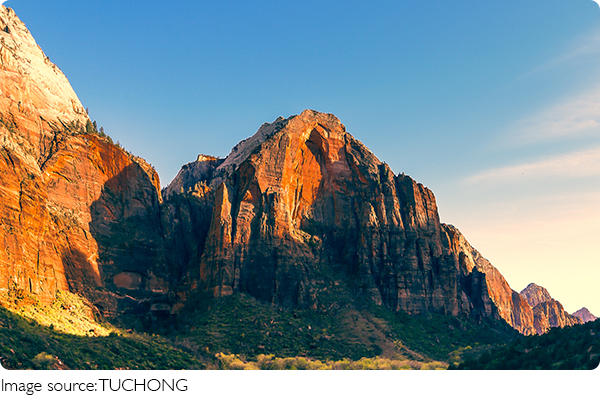
Zion's sandstone formations display striking shades of red, orange, cream, and pink, creating a distinctive landscape shaped by millions of years of erosion.
The Court of the Patriarchs is one of the park's notable viewpoints, offering impressive views of three prominent sandstone peaks. Canyon Junction provides another attractive location for photography, particularly when the surrounding cliffs catch the early morning or late afternoon sunlight.
The eastern section of Zion offers a different perspective, with winding roads, unusual rock formations, and elevated scenic viewpoints.
The Best Hiking Trails
Zion features hiking routes for different experience levels, ranging from accessible walking paths to challenging mountain trails.
Riverside Walk
This approximately 2.2-mile round-trip trail follows the river through a narrow canyon. Its paved surface and gentle gradient make it a popular choice for visitors seeking an accessible outdoor experience.
Emerald Pools
The Emerald Pools trails lead to natural pools surrounded by sandstone cliffs and seasonal waterfalls. The Lower Emerald Pool route is approximately 1.2 miles round trip, while connecting paths provide access to additional viewpoints.
Watchman Trail
The approximately 3.3-mile round-trip Watchman Trail climbs to an elevated viewpoint overlooking surrounding sandstone peaks, nearby mountains, and Springdale. The route offers an excellent combination of desert scenery and panoramic views.
Angels Landing
Angels Landing is one of Zion's most famous hiking destinations. The challenging route leads to an elevated viewpoint overlooking Zion Canyon. A permit is required for the final section beyond Scout Lookout, although visitors can reach Scout Lookout without one.
Exploring The Narrows
The Narrows is a distinctive canyon where towering sandstone walls rise above the river, creating a remarkable natural passage.
Visitors can reach its entrance through Riverside Walk and continue into the river when conditions permit. The experience offers close-up views of the canyon walls and changing patterns of sunlight across the sandstone formations.
Suitable footwear and hiking equipment are important for navigating the riverbed. Visitors should check river levels, weather forecasts, and current access conditions before beginning the route.
How to Get There
Zion National Park is accessible by road, with several nearby airports and major cities providing convenient starting points.
By Air
St. George Regional Airport is approximately 45 miles from the park. Las Vegas is another convenient arrival point, offering a wider range of flight connections and vehicle rental options.
By Car
Driving provides flexibility when exploring Zion and the surrounding region.
- From Las Vegas: Approximately 170 miles and 2.5–3 hours.
- From St. George: Approximately 45 miles and 1 hour.
- From Salt Lake City: Approximately 310 miles and 4.5–5 hours.
By Shuttle
During its operating season, the free Zion Canyon Shuttle connects the visitor center with major locations along Zion Canyon Scenic Drive, including Zion Lodge, The Grotto, and Temple of Sinawava.
A separate free shuttle serves Springdale and connects various locations in town with the park entrance.
During shuttle operations, private vehicles generally cannot access the section of Zion Canyon Scenic Drive beyond Canyon Junction. Other park roads, including the Zion-Mount Carmel Highway, remain available according to their operating conditions.
Estimated Transportation Costs
- Park shuttle: $0.
- Rental car: Approximately $50–$100 per day.
- Fuel from Las Vegas: Approximately $15–$30 one way, depending on the vehicle and fuel prices.
Accommodation
Springdale is a convenient base for visiting Zion because it is situated beside the park's main entrance. Staying in the town provides easy access to the shuttle system and nearby visitor facilities.
Estimated accommodation prices include:
- Camping: $35–$50 per night.
- Budget accommodation: $120–$180 per night.
- Mid-range accommodation: $180–$300 per night.
- Higher-end accommodation: $300–$450 per night.
Prices depend on the season, availability, and facilities. Booking ahead is recommended during popular travel periods.
Visitors seeking additional accommodation choices can also consider La Verkin and Hurricane, which are within driving distance of the park.
Local Food
Springdale offers a selection of casual dining options, including American-style breakfasts, fresh salads, grilled chicken, fish, and other everyday meals.
Estimated food prices include:
- Breakfast: $10–$18 per person.
- Lunch: $12–$22 per person.
- Dinner: $20–$35 per person.
- Coffee: $3–$6.
- Snacks: $4–$10.
Grocery stores in the surrounding area provide another convenient option for visitors who prefer preparing simple meals at their accommodation or campsite.
Entrance Fees and Best Time to Visit
The standard entrance fee for a private vehicle is $35, covering admission for up to seven consecutive days.
For 2026, an additional $100 fee applies to non-US residents aged 16 and older visiting Zion, unless they qualify for an eligible annual pass. This charge is separate from the standard vehicle entrance fee.
Spring and autumn are particularly suitable for hiking, with generally comfortable daytime temperatures. Summer offers longer daylight hours, while winter brings cooler weather and occasional snowfall at higher elevations.
Visitors should check current entrance requirements, weather forecasts, and shuttle schedules before their trip.
Practical Tips for Your Visit
A little preparation helps visitors make the most of their time in Zion.
- Wear comfortable hiking shoes with suitable traction.
- Carry sufficient drinking water, especially during warmer months.
- Start popular hikes early to enjoy cooler morning temperatures.
- Bring sun protection and an additional clothing layer.
- Check shuttle schedules before planning daily activities.
- Review trail access and weather conditions before hiking.
- Allow enough time for photography and scenic stops.
- Check river levels and equipment recommendations before exploring The Narrows.

Zion National Park offers an impressive combination of sandstone landscapes, scenic viewpoints, river canyons, and rewarding hiking opportunities. Its attractions range from accessible walking routes to challenging mountain trails, providing different ways to experience Utah's natural scenery.
A two- or three-day visit provides a rewarding opportunity to explore the park's major highlights and appreciate its distinctive geological landscape.
With its remarkable scenery and diverse outdoor experiences, Zion National Park is an outstanding destination for discovering the American Southwest.