Banff Night Sky Guide

Julian
| 09-11-2026
 · Travel team
Banff National Park in Alberta, Canada, offers spectacular mountain scenery, turquoise lakes, evergreen forests, and opportunities for stargazing.
Located in the Canadian Rockies, it is also a possible destination for northern lights viewing during periods of increased solar activity.
Two Jack Lake and Lake Minnewanka are convenient places to explore the landscape after sunset. Both are accessible from Banff town and offer attractive locations for sightseeing and night photography.
Banff National Park
Discover Two Jack Lake
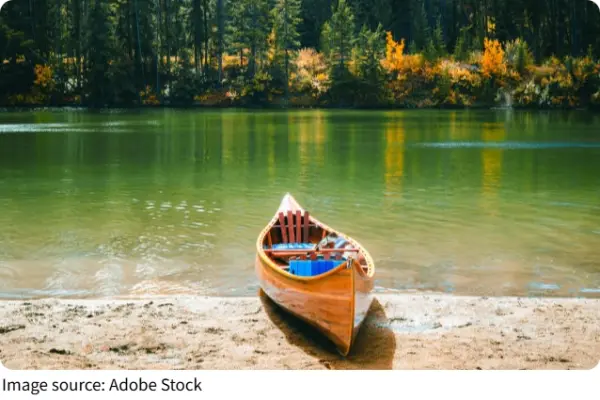
Approximately 11 kilometers from Banff town, Two Jack Lake offers beautiful views of Mount Rundle. Its clear water and forested shoreline create excellent opportunities for landscape photography.
Late afternoon is ideal for enjoying mountain reflections before sunset. After dark, designated lakeside areas provide pleasant settings for stargazing.
Explore Lake Minnewanka
Located approximately 10 kilometers from Banff town, Lake Minnewanka features an expansive waterfront surrounded by mountain peaks.
Its open shoreline provides attractive viewpoints for evening photography and northern lights observation. During winter, snow-covered mountains create a distinctive seasonal landscape. Check local access conditions before visiting.
Experience the Northern Lights
The northern lights, or aurora borealis, are natural displays of colored light produced when charged particles from the Sun interact with gases in Earth's atmosphere.
Banff occasionally experiences aurora displays, particularly during periods of increased solar activity. Viewing conditions depend on several factors:
- Solar activity: Check aurora forecasts.
- Weather: Choose clear evenings.
- Location: Find areas away from artificial lighting.
- Visibility: Select open viewpoints with unobstructed skies.
- Timing: Allow several evenings for better viewing opportunities.
Stargazing and night photography are worthwhile alternatives when the aurora is not visible.

Best Time to Visit
Summer (June to August)
Green forests, comfortable temperatures, and seasonal transportation make summer suitable for sightseeing. However, darkness arrives relatively late.
Autumn (September to October)
Changing foliage, cooler temperatures, and earlier sunsets create appealing conditions for photography and stargazing.
Winter (November to March)
Snow-covered mountains and longer nights provide excellent conditions for nighttime observation. Warm clothing and suitable footwear are essential.
Spring (April to May)
Spring offers gradually warmer weather and longer days. It is suitable for scenic drives and exploring accessible viewpoints.
How to Get There
Calgary International Airport is approximately 144 kilometers from Banff. Driving generally takes 1.5–2 hours, depending on traffic and road conditions.
From Calgary to Banff
Rental cars, airport shuttles, and intercity buses are available. Shared transportation costs approximately $11–$58 per person one way, depending on the service.
Renting a car provides greater flexibility for evening visits to the lakes.
Getting Around Banff
Seasonal local buses connect Banff town with popular attractions, including the two lakes. Approximate fares converted to US dollars are:
- Single ride: $1.45.
- Day pass: $3.60.
Services generally operate during summer. Outside this period, visitors can arrange private transportation or rent a vehicle. Check current schedules before traveling.
National Park Admission
- Daily individual admission: $8.85.
- Family or group vehicle admission: $17.65.
Check current park admission requirements before departure.
Accommodation in Banff
Banff town offers convenient access to transportation and nearby attractions. Accommodation includes hostels, guesthouses, lodges, and hotels.
Approximate nightly prices include:
- Budget and shared accommodation: Lower-cost hostel options are available.
- Standard hotel rooms: $250–$550.
- Premium accommodation: $550–$1,000 or more.
Rates depend on season, location, and availability. Booking ahead is recommended during popular summer and winter periods.
Discover Local Food
Banff offers cafés, bakeries, and casual dining establishments serving grilled chicken, fresh fish, vegetable soups, rice dishes, pasta, sandwiches, and pastries.
Approximate prices per person include:
- Breakfast: $8–$18.
- Lunch: $12–$25.
- Dinner: $20–$40.
- Coffee and bakery items: $4–$10.
Visitors can also carry drinking water, snacks, and a warm non-alcoholic drink for evening excursions.
Photography and Outdoor Preparation
A camera, tripod, and wide-angle lens are useful for photographing the night sky. Manual exposure settings can help capture the northern lights in low-light conditions.
Essential items include:
- Warm clothing and seasonal footwear.
- A headlamp and fully charged phone.
- Drinking water and snacks.
- Weather and aurora forecasts.
- Prearranged return transportation.
Use designated viewing areas, follow park guidance around wildlife, and check official conditions before approaching frozen lakes.
Experience Banff After Sunset
With its scenic lakes, mountain viewpoints, and opportunities for stargazing, Banff offers a rewarding nature experience. Two Jack Lake and Lake Minnewanka are excellent additions to a visit, while the possibility of seeing the northern lights adds another attraction to the journey.
Combined with daytime exploration and a comfortable stay in Banff town, a nighttime visit provides a memorable way to experience the Canadian Rockies.