Mount Kelud: A Crater Walk

Elena Rossi
| 10-11-2026
 · Travel team
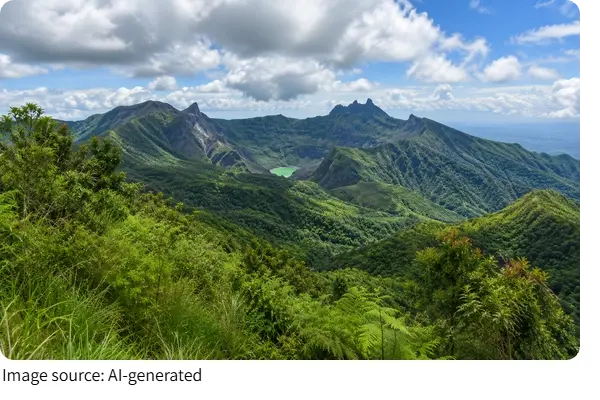
Mount Kelud rises above the green hills of East Java, offering a landscape shaped by powerful eruptions rather than a gentle mountain climb. Its rugged crater, steep volcanic slopes, and surrounding highlands make it an intriguing destination for travelers exploring the region around Kediri.
Unlike a conventional summit hike, visiting Kelud usually involves a drive into the volcanic tourism area followed by short walks to permitted viewpoints. Access can change with volcanic activity, weather, and local restrictions, so a successful visit begins with checking conditions rather than simply setting an early alarm.
Getting to the base town
Kediri is a convenient starting point for visiting Mount Kelud, which lies roughly 30 kilometres to the east.
The usual approach follows roads toward the village of Sugihwaras in Ngancar, before climbing through the surrounding highlands toward the volcanic tourism area.
Allow approximately 60 to 90 minutes from central Kediri, depending on traffic and road conditions.
Hiring a car with a driver is a practical choice, especially for an early departure. A half-day arrangement may cost around 400,000–600,000 Indonesian rupiah (approximately US$25–38), although rates vary.
Motorbike transport can be cheaper, but the winding mountain roads make a car more comfortable for groups or visitors carrying equipment.
The crater rim walk
Mount Kelud is best approached as a viewpoint excursion rather than an easy walk to the summit.
Where visitor access is permitted, short paths and steps lead toward designated observation areas overlooking the volcanic landscape.
Walking times depend on which routes are open, and visitors should not assume that the crater rim itself is accessible.
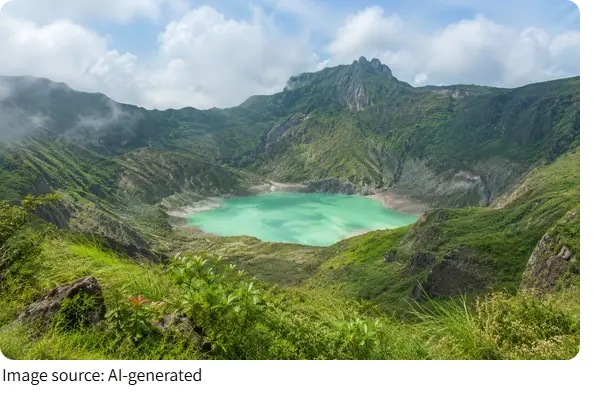
Kelud's crater has changed dramatically during recent eruptions. A lava dome formed in 2007, and the powerful 2014 eruption destroyed it, reshaping the crater.
Water subsequently returned to the crater basin, but its appearance and level can change.
From authorised viewpoints, visitors may see steep rock walls, volcanic deposits, and the surrounding East Java highlands.
Stay behind barriers and never enter closed areas.
Kelud
Timing your visit right
Early morning is often the most rewarding time to visit Mount Kelud.
Clouds can gather around the upper slopes later in the day, reducing visibility across the crater and surrounding hills.
Leaving Kediri around 5:00 or 6:00 a.m. can provide a comfortable start, provided the attraction's current opening hours allow it.
Do not assume entry is available before sunrise.
Entrance charges have varied over time, with reported rates around 25,000–35,000 rupiah (approximately US$2) per person.
Confirm the current fee and permitted visiting hours locally.
Most importantly, check the volcano's official activity status and access restrictions before travelling. Even a visually calm volcano may have hazardous areas.
Understanding Kelud's Volcanic History
Mount Kelud is one of Indonesia's historically active volcanoes, known for explosive eruptions and rapidly changing crater conditions.
Its eruptions have sometimes produced dangerous volcanic mudflows, particularly when water from the crater mixed with volcanic material.
The 2014 eruption sent ash high into the atmosphere and affected communities and transport across parts of Java.
Today, the dramatic landscape reflects this history of destruction and renewal.
Rocky slopes, volcanic deposits, and changing crater features reveal how quickly an active mountain can transform.
Understanding this background makes the visit more meaningful and explains why safety restrictions must be taken seriously.
Practical planning tips
Wear sturdy shoes with good grip, especially if you plan to explore steps or uneven paths around the viewing areas.
Bring drinking water, sunscreen, and a light jacket, as conditions can be cooler and windier at higher elevations.
A mask may be useful if dust or volcanic ash is present, although visitors should avoid the area entirely when authorities warn of hazardous conditions.
Mobile reception can be unreliable in some mountain sections.
Kediri offers a wider selection of accommodation and restaurants than the villages near the volcano.
Arrange your return transport before leaving town, and allow extra time for unexpected weather or road restrictions.
Exploring Beyond the Crater
A visit to Mount Kelud can also introduce you to the quieter countryside around Kediri.
The lower slopes feature farms, villages, and patches of forest that contrast with the rocky volcanic terrain above.
Depending on the route and available time, you may pass small roadside stalls selling local snacks or produce.
Some visitors combine the excursion with stops around Ngancar or other attractions in the Kediri region.
Keep the itinerary flexible rather than trying to fit too many stops into one morning.
If crater access is restricted, the surrounding highland scenery may still offer an enjoyable outing, provided the roads and areas you visit are officially open.
Mount Kelud offers a memorable introduction to East Java's volcanic landscapes, where steep crater walls and green highlands reveal the power of a still-active mountain. The experience is less about conquering a summit and more about appreciating the scenery from safe, accessible viewpoints. Start early when conditions permit, arrange reliable transport from Kediri, and confirm current access restrictions before setting out. With a flexible plan and respect for the volcano's activity, even a short visit can leave a lasting impression.