Mount Kenya Trekking

Naveen Kumar
| 06-11-2026
 · Travel team
Mount Kenya is a spectacular natural destination in central Kenya, approximately 190 kilometers northeast of Nairobi.
Rising to 5,199 meters, this extinct volcanic mountain features dramatic summits, alpine lakes, mountain forests, and distinctive high-altitude landscapes.
Recognized as a UNESCO World Heritage Site, Mount Kenya attracts hikers, photographers, and nature enthusiasts. Batian and Nelion are its highest summits and require technical climbing skills, while Point Lenana, at approximately 4,985 meters, is the main destination for trekkers.
Mount Kenya
Top Attractions
Point Lenana
At approximately 4,985 meters, Point Lenana is the most popular trekking summit. Its panoramic views make it a highlight of a Mount Kenya expedition.
Lake Michaelson
Located along the Chogoria Route, Lake Michaelson is surrounded by steep slopes and impressive mountain formations.
Gorges Valley
This scenic valley features dramatic cliffs and distinctive alpine landscapes along the Chogoria approach.
Lake Ellis
Situated on the eastern side of the mountain, Lake Ellis is a popular resting and camping location with beautiful highland views.
Best Trekking Routes
Sirimon Route
Approaching from the northwest, this route passes through forests, bamboo vegetation, and alpine moorland. Most expeditions take four to five days.
Chogoria Route
The eastern approach is known for its lakes, waterfalls, valleys, and mountain scenery. Expeditions generally take four to six days.
Naro Moru Route
Starting from the southwest, this route offers a relatively direct ascent and usually takes three to four days. Additional time is recommended for acclimatization.
Combining the Chogoria and Sirimon routes provides an opportunity to explore different parts of the mountain.
How to Get There
Most international visitors arrive at Jomo Kenyatta International Airport in Nairobi before traveling to Mount Kenya.
- Nairobi to Nanyuki: Approximately 3.5–4.5 hours by road.
- Nairobi to Chogoria: Approximately 4–5 hours.
- Nairobi to Naro Moru: Approximately 3–4 hours.
Estimated transportation prices:
- Shared transportation: $5–$15 per person one way to Nanyuki.
- Private transfers: $150–$180 per vehicle from Nairobi.
- Local transfers: $10–$30 to reach the selected park entrance.
The main access points are Sirimon Gate, Chogoria Gate, and Naro Moru Gate. Trekking operators can arrange transportation to the starting point.
Accommodation and Prices
Accommodation ranges from mountain campsites to comfortable lodges in nearby towns.
- Mountain campsites: Approximately $20 per person per night.
- Budget guesthouses: $20–$50 per night.
- Mid-range hotels and lodges: $50–$120 per night.
- Comfortable lodges: $120–$200 or more per night.
Old Moses Camp and Shipton's Camp are popular overnight stops along the Sirimon Route.
The park entrance fee for international visitors is approximately $70 per person per 24-hour period.
A guided four- to five-day expedition generally costs $550–$1,000 per person, depending on the route, group size, and included services. Check whether park fees, accommodation, meals, transportation, and guide services are included.
Local Food and Dining
Nearby towns offer traditional Kenyan dishes prepared with locally available ingredients.
Popular meals include:
- Ugali and sukuma wiki: Maize-based food served with cooked leafy vegetables.
- Githeri: A combination of maize and beans.
- Chapati and vegetable stew: Flatbread served with cooked vegetables.
- Rice and beans: A simple and filling local meal.
- Fresh fruit: Bananas, oranges, and seasonal produce.
Local restaurant meals generally cost $3–$7 per person, while mid-range dining costs approximately $10–$20.
During mountain expeditions, meals are usually arranged through the trekking operator. Confirm which meals and drinking water are included in the package.
Activities and Experiences
- Summit trekking: Hike to Point Lenana and enjoy views across the surrounding highlands.
- Wildlife observation: Look for elephants, buffaloes, monkeys, and mountain bird species.
- Photography: Capture alpine lakes, waterfalls, peaks, and mountain vegetation.
- Camping: Stay at designated campsites along the trekking routes.
- Nature exploration: Discover the mountain's forests and high-altitude ecological zones.
Best Time to Visit
The relatively dry seasons generally provide the most favorable trekking conditions.
- January to February: Often offers clearer skies and good opportunities for summit views.
- July to September: Another popular period for mountain trekking.
- March to June: The long rainy season.
- October to December: The shorter rainy season, with variable conditions.
Weather changes with elevation, so check local forecasts and prepare for cold temperatures at higher camps.
Travel Preparation and Essential Equipment
Suitable equipment and gradual altitude acclimatization are important when planning a Mount Kenya expedition.
Essential items include:
- Waterproof trekking boots.
- Thermal clothing and an insulated jacket.
- Waterproof trousers and an outer shell.
- Warm gloves, a hat, and extra socks.
- A sleeping bag suitable for low temperatures.
- A headlamp with spare batteries.
- Sunscreen and sunglasses.
- A reusable water bottle.
- A comfortable backpack and basic first-aid supplies.
Arrange your expedition with a qualified mountain guide and select an itinerary that allows sufficient time for acclimatization.
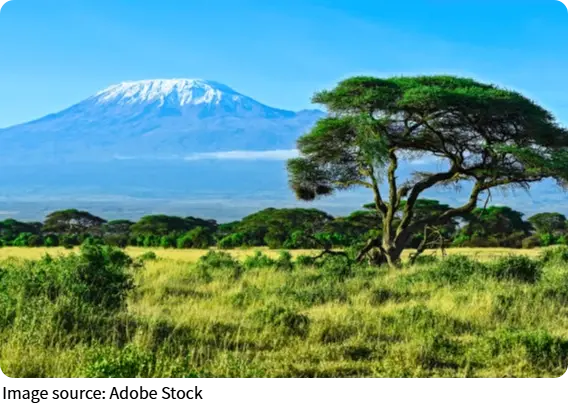
Mount Kenya offers an outstanding combination of mountain scenery, alpine lakes, wildlife, and rewarding trekking routes. From the scenic Chogoria approach to the summit of Point Lenana, visitors can experience the remarkable landscapes of Kenya's highlands.
With a suitable itinerary, proper equipment, and experienced guidance, Mount Kenya is an excellent destination for an unforgettable mountain adventure.