Stellisee Before Sunrise

Mei
| 09-11-2026
 · Travel team
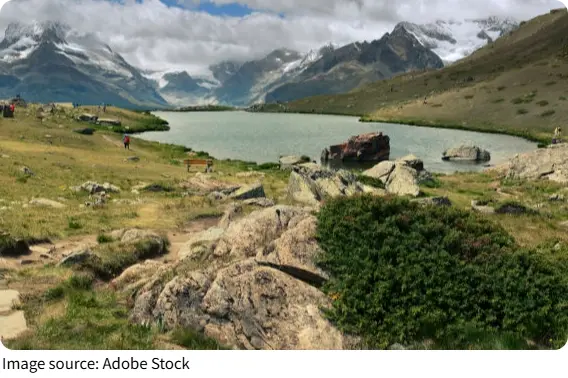
Stellisee sits at 2537 m above Zermatt, with the Matterhorn positioned perfectly for its famous reflection. Since we have already covered the seasonal early-transport option, this version takes a different approach: stay overnight at Fluhalp and walk to the lake before sunrise.
Fluhalp is around 2606 m and roughly 30 minutes on foot from Stellisee, turning an awkward pre-dawn journey from Zermatt into a short mountain walk. For Lykkers who genuinely care about first light, this is the more independent plan.
Stellisee
Sleep Near Stellisee
The key decision is whether one sunrise photograph justifies a mountain overnight. If yes, position yourself near the lake the previous afternoon instead of trying to solve transport at 4 or 5 am.
Reach Fluhalp the Day Before
Zermatt is car-free. Drivers leave their vehicle in Täsch and continue by shuttle train, while rail travelers can arrive directly at Zermatt station.
From Zermatt, take the underground funicular to Sunnegga and continue by gondola to Blauherd at 2571 m. Stellisee is about a 20-minute walk from Blauherd. Fluhalp lies beyond the lake at approximately 2606 m, with the Blauherd to Fluhalp walk taking about one hour.
Use afternoon mountain transport rather than the final possible connection. That leaves enough daylight to find the route, check the lakeshore, and reach your accommodation without rushing.
Fluhalp offers summer overnight accommodation in rooms and dormitories. Reserve before travelling rather than assuming a bed will be available. This strategy is most useful during its accommodation season; outside that period, plan around operating transport instead.
Scout the Lake in Daylight
Walk past Stellisee on your way to Fluhalp and spend 15 to 20 minutes understanding the area. This saves unnecessary searching in darkness the next morning.
The lake is small enough to explore on foot, but the Matterhorn reflection changes depending on where you stand. Identify a position with open water between you and the mountain, then remember the marked path you used to reach it.
Do not judge sunrise potential from cloud alone. Calm water matters because wind can erase the reflection even when the Matterhorn is completely visible.
Check the following morning’s sunrise time and weather before sleeping. Set your departure so you reach Stellisee around 30 minutes before sunrise. From Fluhalp, allowing about 30 minutes gives you a sensible margin rather than requiring a hurried walk in darkness.
Make Sunrise Worth It
Once you have paid for a mountain overnight, the goal should be a controlled morning rather than racing back to Zermatt immediately after sunrise.
Pack for a Cold Start
Carry a headlamp rather than relying on your phone for light. Add hiking footwear, an insulating layer, waterproof outerwear, gloves, water, and a small snack.
Even in summer, standing beside a lake at 2537 m before sunrise can feel cold. You are also stationary while waiting for the light, so dress more warmly than you would for an ordinary daytime hike.
Stay on established paths and firm lakeside ground. Do not walk onto wet vegetation or unstable terrain merely to change the foreground of a photograph.
Give yourself at least 45 minutes around sunrise. The Matterhorn may begin receiving light while lower terrain remains shaded, and changing wind can briefly create calmer water.
If dense cloud completely covers the Matterhorn, accept that the reflection may not happen. The overnight strategy improves your timing; it cannot guarantee mountain visibility.
Walk Out Instead of Rushing
After sunrise, you have two useful choices. The easy version is to return toward Blauherd and use mountain transport once services begin.
The stronger hiking option is the Five Lakes route from Blauherd toward Sunnegga. It covers 11.3 km, takes about 3.5 hours, gains 265 m, and descends 542 m. The route passes Stellisee, Grindjisee, Grünsee, Moosjisee, and Leisee before finishing at Sunnegga.
Because you have already photographed Stellisee at sunrise, you can move through the remaining lakes without repeatedly waiting for perfect reflections. Grindjisee and Leisee can also reflect the Matterhorn under suitable conditions.
The route is graded T2, so it is a moderate mountain walk rather than a difficult alpine expedition. Still, check trail and mountain-transport status before starting. Snow, poor weather, or seasonal closures can change an otherwise straightforward plan.
Two nights in the Zermatt area work well for this strategy: spend the first in the village, the second at Fluhalp, then descend after sunrise the following morning. This also avoids arriving from a long journey and immediately heading to 2600 m.
Getting There
Zermatt is car-free. Drivers leave their vehicle in Täsch and continue by shuttle train to Zermatt, with a return ticket costing around CHF 17 per person. From Zermatt, take the underground funicular to Sunnegga, then continue by gondola to Blauherd. A return ticket from Zermatt to Blauherd costs around CHF 60–70 per person, depending on the season. Swiss Travel Pass and Half Fare Card holders receive discounts. Check the last descent time before planning your afternoon arrival.
Where to Stay
Fluhalp offers summer overnight accommodation in rooms and dormitories. Dormitory beds start around CHF 70–90 per night, while private rooms range from roughly CHF 130–180 per night, including breakfast. Because capacity is limited, book well in advance. For a night in Zermatt village before or after the mountain stay, hotels start at around CHF 150–250 per night.
Where to Eat
Dining options on the mountain are limited to the Fluhalp restaurant, which serves hearty Swiss meals with main dishes around CHF 20–30. In Zermatt village, restaurants range from casual eateries serving pizza and fondue for CHF 15–25 to upscale dining rooms with mains at CHF 35–50. For self-catering, supermarkets in Zermatt stock bread, cheese, and snacks for the hike. Carry water and a small snack for the early morning walk to Stellisee.
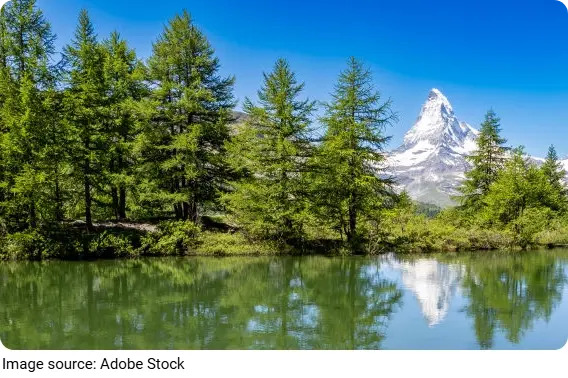
For Lykkers who specifically want Matterhorn sunrise at Stellisee, staying at Fluhalp is a practical alternative to depending on special early transport. Travel from Zermatt to Blauherd the previous afternoon, walk about one hour to Fluhalp, scout Stellisee in daylight, then leave roughly 30 minutes before your planned arrival at the lake. Reach the water about 30 minutes before sunrise, allow at least 45 minutes for changing light and wind, and either return via Blauherd or continue with the 11.3 km Five Lakes route.