Diamond Beach Done Safely

Camille Dubois
| 10-11-2026
 · Travel team
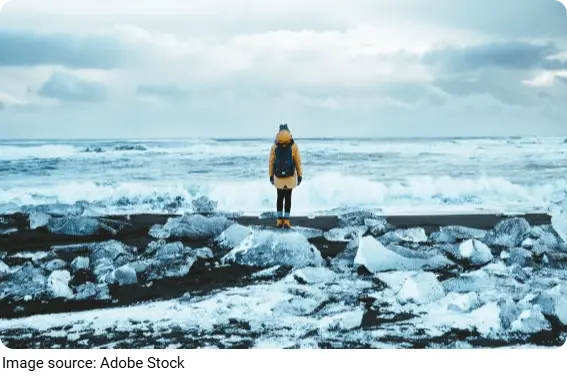
On Iceland's southeast coast, pieces of glacial ice sometimes scatter across black volcanic sand, sparkling like diamonds against the dark shoreline. Known as Diamond Beach, Fellsfjara is one of the country's most striking natural sights, but its appearance changes constantly with the movement of ice and ocean waves.
Just across Route 1 lies Jökulsárlón Glacier Lagoon, where icebergs drift toward the Atlantic through a short channel. Visiting both locations together makes the most sense. Allow two to three hours, keep your expectations flexible, and remember that the ocean deserves as much attention as the ice.
Plan the Stop Properly
Diamond Beach sits beside Iceland's Ring Road, directly opposite Jökulsárlón Glacier Lagoon.
The two attractions are best explored together, with around two to three hours allowing time for walking, photographs, and enjoying the scenery.
Parking areas serve both the lagoon and the beach, including sections on either side of the river channel.
Choose a parking area close to your intended starting point rather than crossing the busy road unnecessarily.
Passenger vehicle parking costs around ISK 1,110 (approximately US$9) per day, although current charges should be confirmed on arrival.
The beach itself has no separate admission fee.
Park on the Beach Side
Fellsfjara lies south of Route 1, where designated parking areas provide convenient access to the black sand.
If you want to explore the lagoon afterward, use the designated pedestrian connection beneath the road bridge rather than crossing the carriageway.
The short Eystri-Fellsfjara walking route covers approximately 1 kilometer and can take around 40 minutes, including photography stops.
Allow another 45 to 60 minutes to appreciate Jökulsárlón's floating icebergs.
Wear sturdy footwear, as the sand can be uneven and the ground near the shore may be wet.
Keep to established access routes and follow any temporary closures.
Diamond Beach
Do Not Chase a Specific Ice Scene
Diamond Beach never looks exactly the same from one visit to the next.
Icebergs break away from Breiðamerkurjökull glacier, drift through Jökulsárlón, and sometimes reach the Atlantic before pieces wash ashore.
The amount of ice depends on currents, tides, wind, and glacier activity.
There is no guaranteed time for finding large ice formations.
Early morning can offer softer light and fewer visitors, but it does not necessarily mean more ice.
If one section of beach appears empty, explore another accessible stretch.
Even when little ice reaches the shore, Jökulsárlón often provides impressive views of floating icebergs.
Respect the Atlantic
The greatest danger at Diamond Beach comes from the powerful Atlantic waves.
Never stand between the incoming water and a large piece of ice, as unexpected waves can move heavy ice or cut off your route back.
Stay well away from the surf, particularly when waves are reaching farther up the beach.
Do not climb onto ice blocks or turn your back on the ocean while taking photographs.
Keep children close and avoid entering the water.
Waterproof footwear, gloves, and a windproof jacket make the experience more comfortable.
During winter, traction aids can also help on icy paths and parking areas.
Choose Your Overnight Base
Diamond Beach is approximately 80 kilometers west of Höfn, making the town a convenient base for exploring southeast Iceland.
Skaftafell, roughly 55 to 60 kilometers farther west, is another useful option for travelers continuing toward Reykjavík.
Driving directly from Reykjavík requires covering approximately 370 kilometers each way, making a rushed day trip impractical for most visitors.
Instead, include Diamond Beach in a longer Ring Road journey.
One nearby overnight stay is usually enough for a straightforward visit, while two nights provide additional flexibility for winter weather or glacier excursions.
Plan Around Iceland's Weather
Diamond Beach can be visited year-round when roads and local conditions permit.
Summer offers long daylight hours, while winter brings shorter days, colder temperatures, and the possibility of icy roads.
Strong winds and changing weather can affect both the beach experience and the journey along Route 1.
Check road conditions and forecasts before leaving your accommodation.
Avoid planning a tightly timed itinerary that leaves no room for delays.
If weather deteriorates, shorten your visit rather than waiting beside the exposed shoreline.
When ready to leave, return directly to Route 1 and continue toward Höfn or Skaftafell.
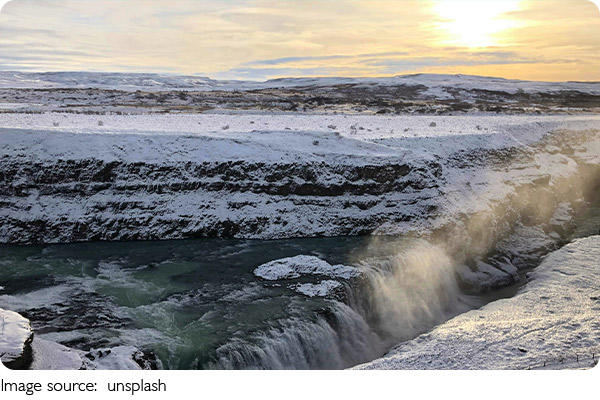
Diamond Beach is unforgettable precisely because it never promises the same view twice. Some days bring enormous pieces of ice scattered across the sand, while others reveal only a few sparkling fragments. Combine the beach with Jökulsárlón, allow two to three hours, and choose accommodation along Iceland's southeast coast. Most importantly, keep your distance from unpredictable waves and unstable ice. With sensible planning and respect for the Atlantic, you can enjoy this remarkable landscape without taking unnecessary risks.