Zermatt Without a Car

Bianca
| 03-11-2026
 · Travel team
Hello, readers. Zermatt sits at 1,620 meters in the Swiss Alps, at the foot of the Matterhorn, and the first thing you notice is what's missing.
No cars. The village banned combustion vehicles decades ago, so everything moves by foot, by electric taxi, or by the little blue buses that run on hotel schedules. It changes the whole rhythm of a trip.
3920 Zermatt
Why the train beats driving
You can't drive into Zermatt at all. The last stop for regular cars is Täsch, about 6 km down the valley, where you park in the covered garage and take the shuttle train the rest of the way. That shuttle runs roughly every 20 minutes and takes about 12 minutes. Most people arrive on the mainline anyway, from Visp on the Mattertal line, and the ride from Visp to Zermatt takes around an hour and ten minutes with a change at Täsch. Book a seat in the panoramic carriages if you're coming from St. Moritz on the Glacier Express, a full day of mountain views that ends right in the village.
What to actually see up high
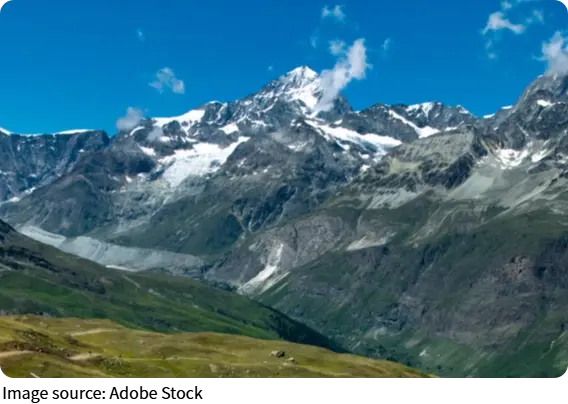
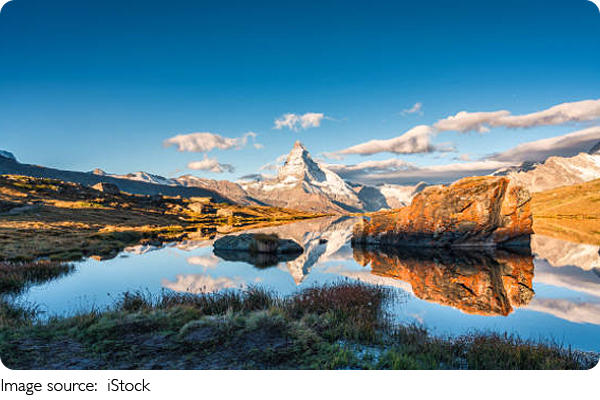
The Gornergrat railway is the one most visitors do first. It climbs to 3,089 meters in about 33 minutes, and from the top platform you get a row of peaks including Monte Rosa and, on a clear day, the Matterhorn filling the frame. Buy a return ticket, but get off at Riffelberg or Rotenboden on the way down and walk the rest. The Rotenboden to Riffelberg path passes Riffelsee, the small lake where the Matterhorn reflects on still mornings. Go early, before the wind picks up.
Then there's Matterhorn Glacier Paradise, the cable car that reaches 3,883 meters at Klein Matterhorn. It's the highest cable car station in Europe, and the ride up includes a change at Furi and again at Trockener Steg. Bring a layer. It's cold up there even in August, and the air is thin enough that you'll feel the stairs.
Food and dining prices
Dining in Zermatt is expensive, even by Swiss standards. A casual lunch or café snack typically costs around US$20–$30 per person, while a sit-down dinner at a mid-range restaurant ranges from US$35–$60 for a main course. If you prefer to self-cater, local supermarkets offer basic supplies for around US$15–$25 per person per day. Many hotels include breakfast, which helps keep daily food costs down.
Plan your visit around the seasons
Summer, roughly July through September, is hiking season, with over 400 km of marked trails leaving from the village. Winter runs from around late November to April, and the ski area links Zermatt with Cervinia on the Italian side, so a single lift pass covers both. Spring and late autumn are quiet, and many hotels and restaurants close for a few weeks in May and November. Check before you book.
What it costs and how to move
A return ticket on the Gornergrat railway runs about 100 USD for adults, and the Matterhorn Glacier Paradise cable car is similar, around 100 USD return. A standard double room in a mid-range hotel lands somewhere between 200 and 350 USD a night in high season, and budget guesthouses sit lower. Once you're in the village, you walk. Electric taxis exist for luggage, and most hotels send a small electric vehicle to meet you at the station if you tell them your arrival time. Do that in advance, because the station forecourt gets crowded when a train pulls in.
Before you go
Pack layers even in summer, since the temperature at 1,620 meters drops fast after sunset, and the high stations sit near freezing most of the year. Buy lift passes online the day before to skip the ticket window queue at the Gornergrat station. And keep some cash, because a few mountain huts along the hiking trails don't take cards.
The takeaway is simple: leave the car in Täsch, let the trains do the climbing, and give yourself at least three days so a cloudy morning doesn't cost you the Matterhorn view. Build one flexible day into the plan and you'll use it well.