Why Sports Cars Cost So Much

Zoe
| 29-10-2026
 · Automobile team
You'd think a big luxury sedan, with its massaging seats, rear climate zones, and enough leather to wrap a small apartment, would be the expensive one on the showroom floor.
Then you glance at the window sticker on the low, two-seat coupe beside it, and the number is three times higher. That gap isn't marketing hype. It's engineering math, and once you see the pieces, the price no longer looks random.
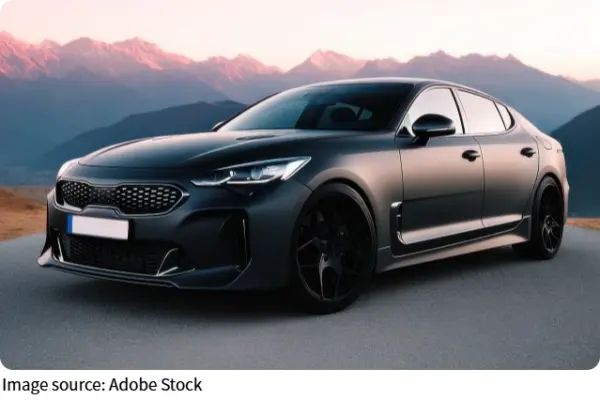
Low volume spreads the cost thin
A mainstream sedan might roll off the line at 200,000 units a year. A performance model like the Porsche 911 moves roughly 50,000 globally, and halo cars sit far below that. Every dollar of development, tooling, and crash testing gets divided across a much smaller pool of buyers. That's the core reason a Chevrolet Corvette can cost more than a loaded Cadillac CT5 even though the Cadillac has more doors, more screens, and more cupholders. Fewer cars carry the same fixed costs.
The hardware is genuinely exotic
Look under a sports car, and the parts bill gets serious fast. Carbon-ceramic brake discs, like the ones on a Ferrari F8, run several thousand dollars per corner and are made from processes closer to aerospace than automotive. Forged wheels, adaptive dampers, and tires built in small batches with soft compounds all add up. A luxury sedan's air suspension is clever, but it's designed to last 150,000 miles in comfort. A sports car's components are built to survive track heat, and you pay for that margin.
Performance targets cost money to hit
Getting a 3,500-pound car to 60 mph in under three seconds, then stop and turn without falling apart, forces expensive decisions everywhere. You need a stronger chassis, extra cooling for the engine and transmission, and a body shaped in a wind tunnel to stay planted at speed. That wind tunnel time alone can run into seven figures. The McLaren 720S's carbon fiber tub is a good example, one structural piece that's light, stiff, and costly to produce. None of that shows up on a spec sheet as a feature. You feel it at 100 mph.
Scarcity is part of the product
Limited allocations and long waiting lists aren't just sales tactics; they protect resale value, and buyers know it. A Porsche 911 GT3 holds value in a way a flagship sedan rarely does. That resale strength lets makers charge more upfront because the total cost of ownership looks better. It's a loop, and you're inside it whether you plan to sell or not.
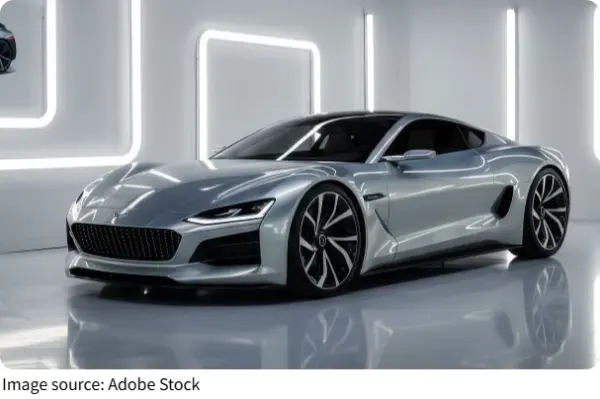
Remove the badges, and the answer is simple. You're paying for a small production run, materials that belong on a race car, and the engineering to make it all hold together under load. A luxury sedan optimizes for comfort across many buyers. A sports car optimizes for a narrow, expensive target and charges the few who want it. Next time you see a six-figure coupe parked beside a sedan that costs a third as much, you'll know where the money went, and it's probably in the brakes.