Europe's Electric Shift

Naveen Kumar
| 20-10-2026
 · Automobile team
Europe's electric-car market is growing faster than ever, as more affordable models attract buyers and rising fuel costs make petrol and diesel vehicles increasingly expensive to run.
Electric vehicles are gaining ground across the European Union, marking a turning point for the region's automotive industry.
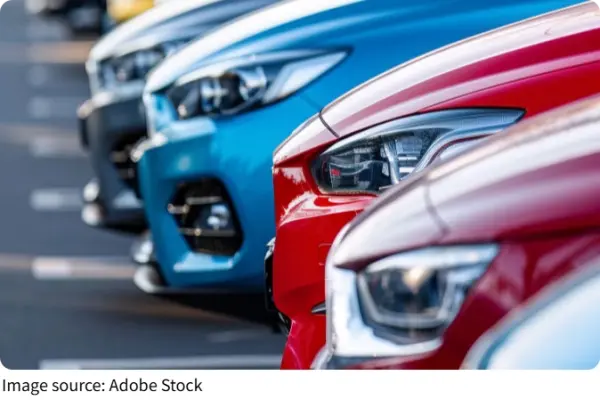
According to an October 2026 report by the environmental organisation Transport & Environment (T&E), 1.64 million battery-electric cars were sold between January and August, a 45% increase compared with the same period in 2025.
Electric vehicles accounted for 22% of the EU car market during those eight months, six percentage points more than a year earlier. The expansion reflects a wider choice of models, changing consumer priorities and regulatory pressure on manufacturers to reduce emissions.
Why Are Electric-Car Sales Rising?
One of the main drivers is affordability. Manufacturers are introducing smaller electric cars designed for buyers who cannot justify the cost of larger, premium vehicles.
T&E estimates that sales of electric cars with starting prices below €25,000 could be seven times higher in 2026 than in 2024. By the end of the year, approximately 60 new electric models are expected to enter the market, providing consumers with more options across different price ranges.
European manufacturers account for nearly 60% of the available electric-car models, while Chinese manufacturers represent around 21%. Both groups expanded their offerings during the first half of 2026.
This growing competition could encourage further innovation and put downward pressure on prices.
How EU Rules Influence The Market
European emissions regulations are another important factor. Manufacturers must meet increasingly demanding carbon-dioxide targets, encouraging them to develop and sell more battery-electric vehicles.
According to T&E, the current targets for 2025–2027 are helping accelerate the introduction of affordable models. The organisation warns that weakening future emissions requirements could slow this progress and reduce the availability of lower-priced electric cars.
The debate highlights a challenge for policymakers: balancing environmental objectives, industrial competitiveness and the financial realities facing households.
Fuel Costs Strengthen The Appeal
Rising fuel prices are also influencing purchasing decisions.
T&E reported that diesel prices had increased by 38% since the start of the Middle East conflict. Filling a 50-litre diesel tank consequently cost approximately €30 more than before the price surge.
For drivers who cover long distances, the difference between electricity and conventional fuel costs can become an important consideration. However, the overall savings depend on electricity tariffs, annual mileage, charging access and the purchase price of the vehicle.

What Happens Next?
The expansion of more affordable models could bring electric mobility within reach of a wider range of households. Nevertheless, purchase prices remain only one part of the equation. Charging infrastructure, battery performance, access to home charging and resale values will continue to influence consumer decisions.
The latest figures indicate that Europe's electric-car transition is gathering momentum. Whether this growth continues will depend partly on the availability of affordable vehicles, the stability of policy commitments and the industry's ability to meet changing consumer expectations.
For now, the strongest signal is clear: price and practical everyday use are becoming just as important as environmental concerns in the shift towards electric driving.