Andes Adventure Awaits!

Matteo
| 14-10-2026
 · Travel team
The Andes offer far more than spectacular mountain views. Across South America, this vast region brings together remarkable landscapes, fascinating archaeological sites, colorful towns, and outdoor experiences suited to different travel styles.
With so much variety, the most rewarding journey begins by choosing experiences that match your interests and leaving enough time to appreciate each destination.
Andes
Explore the Sacred Valley of Peru
Peru's Sacred Valley is an excellent starting point for travelers interested in mountain scenery and archaeological heritage. Near Cusco, the valley features terraced hillsides, traditional settlements, and impressive remains of earlier communities. Its combination of natural beauty and cultural attractions makes it worth more than a brief stop on the way to Machu Picchu.
Spend time visiting local towns, browsing craft markets, and enjoying views of the surrounding peaks. A partial Cusco tourist ticket covering several Sacred Valley attractions costs approximately US$20, while a full ticket covering more sites is around US$37.
Admire the Extraordinary Uyuni Salt Flats
Bolivia's Salar de Uyuni is one of the Andes' most distinctive natural attractions. This immense salt-covered plain creates a striking landscape with an unusually open horizon. Depending on the season and weather, the surface may appear dry and textured or become covered by shallow water that reflects the sky.
Guided excursions often include nearby lagoons, volcanic scenery, and unusual rock formations. A multiday Uyuni tour generally costs around US$150–US$280 per person, depending on its duration, accommodation, transport, and included services.
Walk Among the Mountains of Patagonia
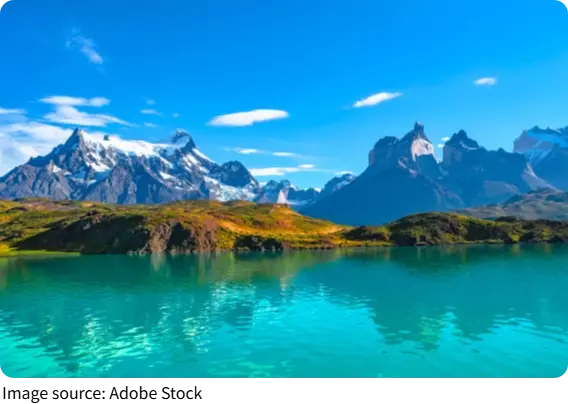
For travelers who enjoy hiking, Patagonia offers some of the most memorable scenery in the southern Andes. Chile's Torres del Paine National Park features dramatic peaks, lakes, open grasslands, and well-known walking routes. Across the border in Argentina, Los Glaciares National Park provides access to mountain trails around El Chaltén, including routes with views of Mount Fitz Roy.
Discover the Andes Through Local Markets
Mountain towns and markets offer another way to experience the Andes beyond its landscapes. In Peru, towns around Cusco and the Sacred Valley feature stalls selling woven textiles, handmade accessories, and locally produced crafts. Browsing at a relaxed pace gives visitors time to appreciate the variety of materials, patterns, and techniques.
Explore the Islands of Lake Titicaca
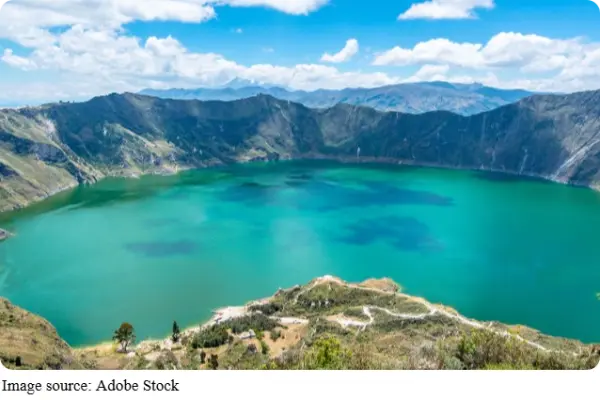
Lake Titicaca sits high in the Andes along the border between Peru and Bolivia. Its deep blue water surrounds islands and peninsulas where traditional communities maintain distinctive local ways of life. Boat trips can include visits to the Uros floating islands on the Peruvian side, where island communities use reeds in their island structures and everyday crafts.
Marvel at the Glaciers of Southern South America
The southern Andes are home to impressive glaciers, offering a different experience from the dry highlands farther north. In Argentina, Perito Moreno Glacier near El Calafate is known for its enormous ice face and accessible viewing areas. Visitors can admire the formations from designated walkways or join boat excursions when available.
The Los Glaciares National Park entrance fee for international visitors is approximately US$32 per person under the reported 2026 rate. Boat trips and guided ice activities are additional expenses, and specialized excursions can cost substantially more than admission alone.
Plan Your Journey Around the Altitude
Traveling through the Andes requires preparation because many destinations sit at considerable elevations. Some visitors experience headaches, tiredness, or shortness of breath when arriving at high altitude. Allow time to acclimatize, begin with gentle activities, and seek medical assistance for severe or worsening symptoms.
Accommodation and Prices
Accommodation options across the Andes vary widely by country and destination. Hostels and guesthouses in Peru generally cost around US$15–40 per night for a dorm bed or simple private room, while mid-range hotels range from US$40–90 per night. In Bolivia, budget accommodation can start at approximately US$10–25 per night, with comfortable hotels costing around US$30–70. In Patagonia, prices are higher because of seasonal demand — budget hostels range from US$25–50 per night, while mid-range hotels commonly cost US$80–180. Booking ahead is recommended during peak season (June–August and December–February). In the Sacred Valley, staying in towns such as Ollantaytambo or Urubamba can offer better value than central Cusco.
Food and Dining Prices
Dining costs in the Andes are generally affordable outside major tourist hubs. In Peru, a set lunch menu (menú del día) typically costs around US$3–6, while a casual restaurant meal ranges from US$8–15. In Bolivia, local meals often cost US$2–5, and a restaurant dinner ranges from US$6–12. In Patagonia, food prices are noticeably higher — a casual meal costs around US$15–25, and restaurant dinners range from US$25–45 per person. Local markets are an excellent option for fresh produce, snacks, and inexpensive meals. Carrying a refillable water bottle is also useful, though tap water is not always safe to drink in some areas.
Getting Around the Andes
Transport options vary by country. In Peru, regional buses between major towns cost around US$10–25 for shorter journeys, while long-distance overnight buses range from US$25–60. In Bolivia, buses are generally cheaper, costing around US$5–20 for most routes. Flights between major cities can save time but cost more — domestic flights in Peru typically range from US$50–120 one way. In Patagonia, renting a car is a popular option, with rates starting around US$50–90 per day, excluding fuel. Shared shuttles and guided transfers are also common in tourist areas. Always confirm departure times and luggage policies in advance, especially during peak travel periods.
The Andes offer a remarkable range of experiences, from Peru's archaeological sites and Bolivia's salt flats to Patagonia's hiking trails and glaciers. A well-paced itinerary that balances outdoor adventures with local experiences can make the journey rewarding without rushing from one attraction to the next.