Classic Car Care

Simone
| 13-10-2026
 · Automobile team
Classic cars attract attention with timeless styling and mechanical simplicity, but owning one requires a different mindset than driving a modern vehicle. Unlike newer models that rely heavily on electronic systems, many classic cars depend on regular inspection and preventive maintenance to remain reliable.
Whether you already own a vintage vehicle or hope to buy one someday, understanding its unique needs will help you preserve both its performance and long-term value. A few thoughtful habits can make every drive more enjoyable while reducing unexpected mechanical issues.
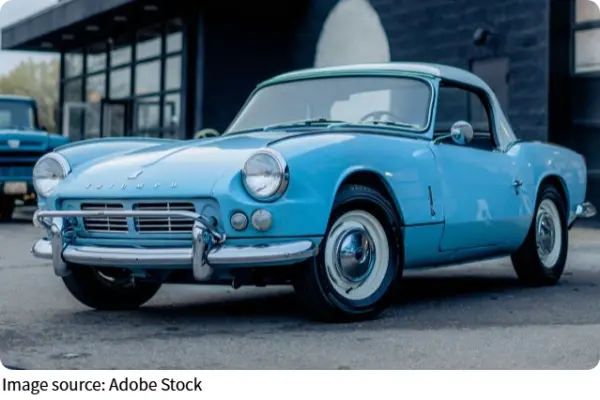
Understand What Makes Classics Different
Classic vehicles reward careful ownership. Instead of assuming they behave like modern cars, learn how their design influences maintenance and everyday driving. Many people believe parking a classic car for long periods protects it. In reality, extended storage can create its own problems.
Rubber seals may dry out, fluids settle, batteries discharge, and fuel gradually degrades. A short drive every few weeks, allowing the engine to reach normal operating temperature, helps circulate fluids and keeps many mechanical components functioning properly. If the vehicle will remain unused for an extended period, follow the manufacturer's storage recommendations.
Check Fluids and Temperature
Older engines may naturally consume small amounts of oil between service intervals, and aging seals can develop minor leaks over time. Check engine oil, coolant, brake fluid, and power steering fluid, if equipped, more often than you would on a modern car. A five-minute inspection is often enough to spot a leak early.
Cooling systems on older vehicles generally have less reserve capacity than many modern designs. During slow traffic or hot weather, monitor the temperature gauge regularly. If the temperature rises beyond the normal range, pull over safely and let the engine cool as the owner's manual describes. Continuing to drive while overheating can result in severe engine damage.
Choose Parts and Protect the Exterior
Not every replacement component offers the same fit or quality. When servicing brakes, ignition parts, cooling components, or suspension, choose parts designed for your specific model and production year. Even vehicles that appear identical may have important differences depending on engine type or production changes.
Frequent washing removes dust, insects, and road contaminants that may gradually damage paintwork. Dry the vehicle thoroughly afterward, especially around trim, wheel openings, and lower body panels where moisture may remain longer. If the vehicle is stored indoors, use a breathable car cover instead of completely sealing the surface, so moisture can escape naturally.
Drive With Mechanical Sympathy
Classic cars often communicate more directly with the driver, through sounds, temperatures, and the way the vehicle behaves. After starting, avoid immediate hard acceleration and drive gently until the engine oil reaches normal operating temperature. Mechanical clearances, lubrication, and fuel delivery all become more stable as the drivetrain warms, helping reduce unnecessary wear.
Drivers who know their vehicles well often recognize small changes before warning signs become obvious. New vibrations, squeaks, clicking sounds, or unusual engine noises deserve attention, even if the vehicle continues driving normally. Addressing small problems early is usually simpler than waiting for a complete component failure.
Look After Electrics and Tires
Many classic cars use relatively simple electrical systems, making good connections especially important. Inspect battery terminals regularly for corrosion, ensure ground connections remain secure, and replace damaged wiring insulation promptly. Reliable connections improve starting performance and reduce intermittent faults that are often difficult to diagnose.
A tire may still have adequate tread while becoming unsuitable because of age. Inspect the sidewalls for weathering, bulges, or visible damage. Also verify that tire pressure matches the manufacturer's recommendations before every longer drive, as incorrect pressure affects handling, braking, and ride quality.
Keep Records and Plan Long Trips
Keep a notebook or digital record of oil changes, coolant replacement, brake service, battery installation, tire replacement, and other repairs. Accurate maintenance records make future troubleshooting easier, help schedule routine service, and may also support the vehicle's resale value by documenting consistent care.
Before taking a classic car on an extended trip, complete a thorough inspection several days in advance rather than immediately before departure. Along with fluids and tires, confirm exterior lighting, battery health, belts, hoses, and windshield wipers. That leaves time to fix anything you find before you set off.
Classic cars are not difficult to own, but they do reward owners who pay attention to detail. Lykkers, a practical way to begin is to choose one routine, such as the pre-trip inspection, and add it to your maintenance record so the next check is easier to plan.