Lakefront Loop

Elena Rossi
| 13-10-2026
 · Travel team
Many visitors arrive in Milwaukee planning to drive from one attraction to another, only to discover that parking, traffic, and repeated short trips waste valuable sightseeing time.
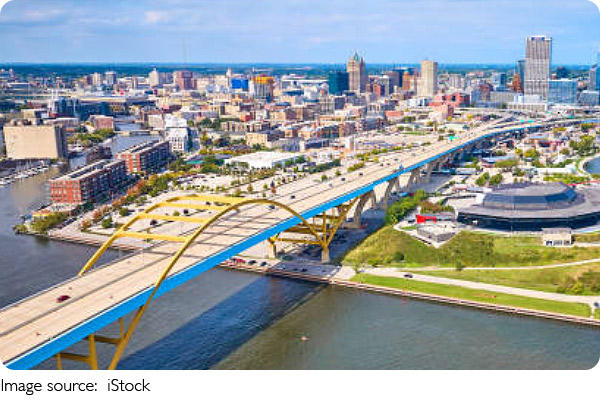
The city's greatest strength is its lakefront, where world-class architecture, museums, parks, and the shoreline connect naturally.
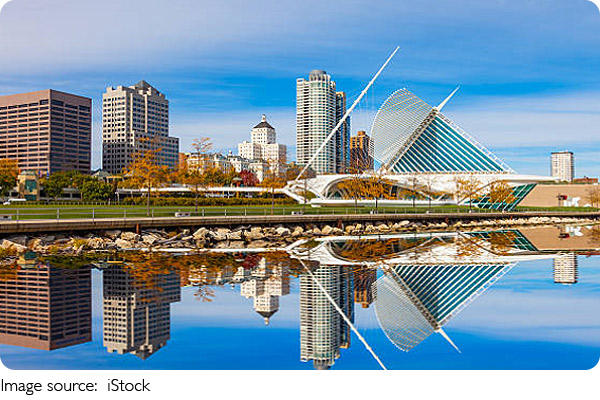
The Milwaukee Art Museum, shown here, sits at the heart of this area. For Lykkers, the smartest decision is to spend one full day exploring the lakefront on foot before driving elsewhere.
Milwaukee Art Museum
Build Your Day Around the Lakefront
Milwaukee's downtown waterfront is compact enough that you can experience its highlights without constantly moving your car.
Where Should You Stay?
Choose accommodation near East Town or the Historic Third Ward.
From either neighborhood, the Milwaukee Art Museum is usually a 10–20 minute walk.
Hotels typically range from USD 170–280 per night for a standard double room, while business hotels and smaller properties often cost between USD 130 and 190 outside major event weekends.
Paying slightly more for a downtown hotel often saves both parking fees and driving time throughout the day.
If you arrive by car, many hotels charge approximately USD 25–45 per night for parking, so leaving the vehicle parked until departure is often the most economical choice.
Is One Day Enough?
For the central lakefront, yes.
A practical walking route covers approximately 7–9 kilometres.
Start at the Milwaukee Art Museum, continue along Veterans Park, walk the Lakefront Trail toward McKinley Marina, return through Lakeshore State Park, then finish in the Historic Third Ward.
Allow 6–8 hours including museum visits, lunch, coffee breaks, and time to enjoy the shoreline.
Walking eliminates repeated parking searches while allowing you to appreciate how the neighborhoods connect.
When Should You Visit the Museum?
Arriving close to opening time generally provides a quieter experience inside the galleries.
If the Burke Brise Soleil movable wings are operating that day, checking the scheduled opening or closing time before arriving can help you experience one of the building's most distinctive architectural features.
Even if you do not enter the museum, the surrounding lakeside plaza remains one of Milwaukee's best public viewpoints.
Make Every Stop Count
Rather than rushing across the city, focus on a smaller area and spend more time experiencing it.
A Practical Waterfront Schedule
• 09:00 — Begin at the Milwaukee Art Museum.
• 09:00–11:00 — Explore the galleries and lakeside terraces.
• 11:15–12:00 — Walk through Veterans Park toward McKinley Marina.
• 12:15–13:15 — Lunch near the Historic Third Ward.
• 13:30–15:00 — Explore the RiverWalk and surrounding streets.
• 15:15–16:30 — Finish with a relaxing walk through Lakeshore State Park before returning downtown.
Total walking remains under 9 kilometres while driving after arrival is essentially unnecessary.
Budget Before You Go
For a self-guided day, excluding accommodation, budget approximately USD 60–120 per person.
General admission to the Milwaukee Art Museum is typically around USD 27–30 for adults.
Lunch generally costs USD 18–30, while dinner usually ranges from USD 25–45.
Coffee, desserts, or light snacks commonly add another USD 10–15 throughout the day.
If you choose public parking instead of hotel parking, expect to pay roughly USD 10–25 depending on the location and length of stay.
Four Decisions That Improve Your Visit
First, park once and spend the day walking. Most major waterfront attractions sit within comfortable walking distance, making repeated short drives unnecessary.
Second, dedicate at least two hours to the Milwaukee Art Museum instead of treating it as a quick photo stop. The architecture, galleries, and lakefront setting together create the complete experience.
Third, avoid visiting during a major festival if your goal is a relaxed sightseeing day. Large lakefront events can significantly increase traffic, parking demand, and hotel prices.
Finally, resist combining Milwaukee with Madison or Chicago on the same sightseeing day. Although highway travel is straightforward, several additional hours behind the wheel leave very little time to enjoy Milwaukee's strongest attractions.
Milwaukee rewards travelers who explore slowly instead of chasing landmarks by car. By staying downtown, walking the 7–9 kilometre lakefront loop, budgeting around USD 60–120 for daily expenses, and focusing on one connected waterfront district, Lykkers can experience the city's architecture, parks, and Lake Michigan shoreline in a much more relaxed and rewarding way.