SUV Safety Technology

Rafael
| 12-10-2026
 · Automobile team
Modern SUVs integrate advanced safety technologies designed to support driver awareness, vehicle stability, and occupant protection.
From systems that monitor surrounding traffic to features that assist with braking and parking, these technologies help drivers manage everyday journeys with greater confidence.
Understanding how each system operates allows drivers to use available features effectively while maintaining proper driving habits and vehicle maintenance.
Advanced Driver Assistance Systems
Smart monitoring technologies help drivers assess traffic and respond to changing conditions.
Many SUVs feature cameras, radar, and other sensors that monitor nearby vehicles, road markings, and potential hazards. Depending on the model, available features may include forward collision warnings, automatic emergency braking, blind-spot monitoring, and lane departure alerts.
Adaptive cruise control can maintain a selected following distance from the vehicle ahead, while lane-centering assistance provides steering support under suitable conditions. Availability and operating capabilities vary by vehicle.
These systems complement the driver's judgment and attention. Drivers should remain engaged, monitor their surroundings, and follow the vehicle manufacturer's instructions.
Braking and Collision Prevention
Electronic braking technologies support controlled deceleration and steering response.
Anti-lock braking systems help prevent wheel lockup during hard braking, allowing drivers to retain greater steering control. Electronic brake-force distribution adjusts braking force according to vehicle conditions, while brake assist can provide additional braking support when an emergency stop is detected.
Automatic emergency braking can detect certain potential collisions and apply the brakes when necessary. Depending on the system, detection may include vehicles, pedestrians, and cyclists.
The effectiveness of these technologies depends on vehicle speed, road conditions, sensor performance, and the system's operating limits. Maintaining the braking system according to the manufacturer's schedule helps preserve its intended performance.

Stability and Traction Control
Electronic controls help manage wheel grip and directional stability.
Electronic stability control monitors steering input and vehicle movement to detect when the SUV begins to deviate from the intended path. It can selectively apply the brakes and adjust engine power to help the driver maintain control.
Traction control limits excessive wheelspin during acceleration, particularly on wet roads or loose surfaces. These systems support vehicle control, although their capabilities depend on available tire grip and driving conditions.
Because many SUVs have a relatively high center of gravity, smooth steering, gradual acceleration, and appropriate speeds are important for maintaining stability. Correct tire pressure and suitable tires also contribute to predictable handling.
Airbags and Occupant Protection
Restraint systems and vehicle structures help manage collision forces.
Depending on the model, SUVs may feature front, side, and curtain airbags, along with other specialized protection systems. Seat belts work with airbags to restrain occupants and help manage movement during a collision.
The passenger compartment is engineered to preserve space around occupants, while designated energy-absorbing zones help manage crash forces. Properly designed head restraints also help limit certain neck injuries in suitable collision conditions.
Correct seat-belt use is essential. Drivers should follow the vehicle manual for seating positions, child restraints, and airbag precautions to ensure that these systems function as intended.
Parking and Surroundings Monitoring
Camera and sensor systems assist with parking and low-speed manoeuvres.
Rearview cameras display the area behind the SUV, while parking sensors alert drivers to nearby objects. Some models offer surround-view cameras that combine multiple images to show the vehicle and its immediate surroundings from different angles.
Rear cross-traffic alerts can identify approaching traffic when reversing, depending on the system's capabilities. These features are particularly useful when manoeuvring in confined spaces or navigating areas with limited visibility.
Drivers should still check their surroundings directly because camera views and sensor coverage may be limited by obstacles, lighting, or weather conditions.
Tire Monitoring and Maintenance
Proper tire care supports reliable braking, steering, and road grip.
Tires provide the only direct contact between an SUV and the road, making their condition essential to vehicle handling. A tire pressure monitoring system alerts the driver when pressure falls significantly below the recommended level, although it does not replace regular inspections.
Drivers should check tire pressure according to the manufacturer's recommendations, examine tread condition, and select tires appropriate for the vehicle and driving environment. Correct wheel alignment and routine brake inspections also contribute to consistent handling and braking performance.
Even sophisticated electronic systems rely on adequate tire grip. Adjusting speed to road conditions and maintaining the vehicle properly remain fundamental aspects of safe driving.
Getting the Best from SUV Safety Technology
SUV safety depends on several technologies working together, from driver assistance and electronic braking to occupant restraints and parking aids. Each feature serves a specific purpose, creating a coordinated approach to driver support and passenger protection.
Drivers can use these systems effectively by learning their functions, keeping cameras and sensors clean, maintaining tires and brakes, and responding promptly to dashboard alerts. Regular servicing and familiarity with the owner's manual also help ensure that safety features operate as intended.
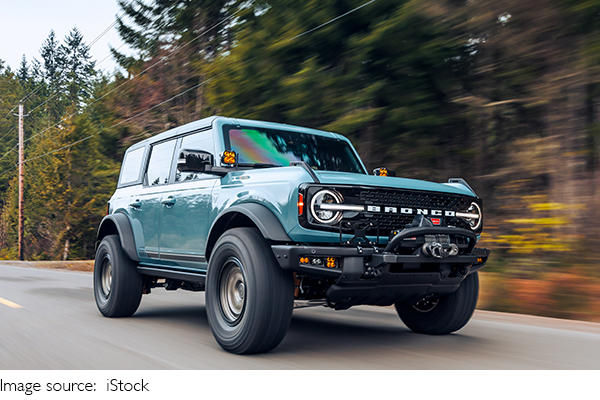
SUV safety technology brings together driver assistance, braking systems, stability control, and occupant protection to support safer journeys. Understanding how these features work helps drivers use them effectively and make informed decisions on the road.
Combining advanced safety systems with attentive driving, regular maintenance, and proper use of seat belts helps maximize an SUV's safety potential and provides greater confidence on every journey.