Wadi Rum Travel Guide

Chris Isidore
| 12-10-2026
 · Travel team
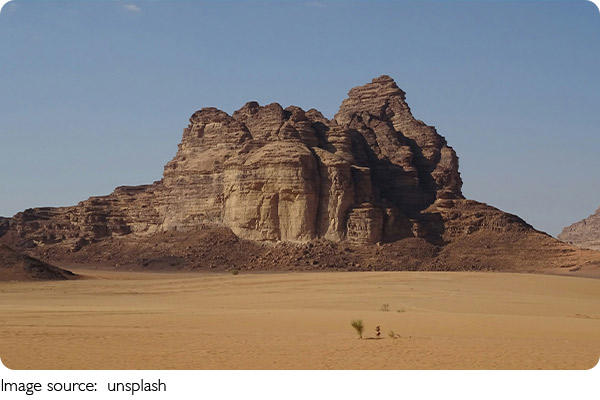
Wadi Rum, in southern Jordan, is a protected desert landscape celebrated for its red sands, monumental rock formations, natural arches, and sweeping mountain views.
From guided excursions and cultural landmarks to traditional hospitality and overnight stays, this destination offers a memorable way to experience the beauty of the desert.
With thoughtful planning, travelers can enjoy its highlights while keeping transportation, accommodation, and activity costs under control.
Wadi Rum desert
Best Time to Visit Wadi Rum
Spring, from March to May, and autumn, from September to November, are excellent seasons for exploring Wadi Rum. Temperatures are generally more comfortable for sightseeing, jeep tours, and guided walks.
Winter offers pleasant conditions during many sunny days, although evenings can be cold. Summer brings intense daytime heat, making early mornings and late afternoons preferable for outdoor activities.
How to Get to Wadi Rum
Wadi Rum lies approximately 60–65 km from Aqaba and around 300 km from Amman. The most practical way to reach the desert is by arranging ground transportation to Wadi Rum Village or the visitor center.
From Aqaba, a private transfer typically costs around $35–$50 per vehicle, depending on the pickup location and arrangement. Shared transportation may be available at a lower price.
From Amman, intercity bus fares to Aqaba generally range from $14–$20 per person one way. Travelers can then arrange a separate transfer to Wadi Rum. A direct private transfer offers greater convenience but costs more.
Rental cars provide flexibility for exploring southern Jordan, with basic vehicles sometimes available from approximately $40–$60 per day, excluding fuel and additional insurance. For excursions across desert terrain, arrange an appropriate guided vehicle through your accommodation or tour provider.
Top Things to Do in Wadi Rum
Explore by Jeep
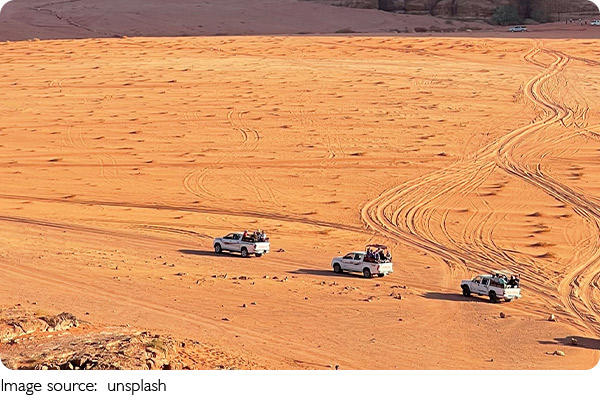
A guided 4x4 excursion is one of the best ways to discover Wadi Rum’s distinctive landscapes. Routes may include vast dunes, narrow rock passages, natural arches, and panoramic viewpoints. Shared tours typically cost around $25–$50 per person, depending on the duration, group size, and itinerary.
Experience the Desert Sunset
As daylight fades, the sandstone formations take on rich shades of orange, red, and gold. A guided trip to a suitable viewpoint provides time to appreciate the scenery and capture memorable photographs.
Visit Historic Rock Inscriptions
Wadi Rum contains ancient carvings and inscriptions that reflect the region’s long history of human settlement and travel. Selected guided excursions include these sites, adding cultural interest to a desert adventure.
Enjoy Stargazing
The open desert landscape provides an excellent setting for observing the night sky on clear evenings. Staying at a camp allows visitors to enjoy the stars without rushing back to a city after sunset.
Discover the Landscape on Foot
Short walks offer closer views of the desert’s textures, rock formations, and surrounding mountains. For longer hikes or routes through remote areas, arrange a knowledgeable local guide and confirm the route’s suitability in advance.
Accommodation in Wadi Rum
Wadi Rum offers a range of stays, from traditional Bedouin-style camps to comfortable tented lodges and premium accommodation with panoramic views.
Basic camp accommodation generally costs around $20–$40 per person per night. Mid-range options often range from $50–$100 or more per person, depending on the season, facilities, and package inclusions.
Many camps provide breakfast and dinner, while some packages also include transfers and guided jeep excursions. Compare the total price and included services before booking to identify the option that best suits your needs.
An overnight stay is particularly worthwhile for travelers who want to experience the desert at different times of day, from the warm evening light to the quiet atmosphere of early morning.
Local Food and Dining
Traditional meals in Wadi Rum commonly feature rice, vegetables, flatbread, hummus, fresh salads, and grilled vegetable dishes. Dining at a desert camp also provides an opportunity to experience local hospitality.
A simple meal typically costs around $5–$10 per person, while a camp dinner may cost approximately $10–$20 when it is not included in the accommodation package. Breakfast is frequently included with an overnight stay.
Bring drinking water and suitable snacks for longer excursions, as food and shopping options are limited in remote areas. Confirm meal arrangements before arrival, particularly if you have specific dietary preferences.
Entrance Fees and Tour Costs
The entrance fee for international visitors to the Wadi Rum Protected Area is commonly listed at approximately $7 per person. Check the current admission arrangements and any applicable pass conditions before your visit.
Shared jeep excursions generally cost around $25–$50 per person, while private tours and extended itineraries may cost more.
For budgeting purposes, allow approximately $50–$100 per person per day for basic accommodation, meals, admission, and selected activities. This is an indicative estimate rather than a fixed rate. Transportation to Jordan and travel between major cities are additional expenses, while package deals may reduce the overall cost.
Essential Travel Tips
- Wear lightweight clothing, comfortable walking shoes, sunglasses, and a sun hat.
- Bring a warm layer for evenings, especially during winter.
- Carry sufficient drinking water for outdoor excursions.
- Reserve accommodation and transfers in advance during popular travel periods.
- Confirm tour prices, meal arrangements, admission fees, and included services before booking.
- Follow your guide’s recommendations when exploring remote terrain.
- Keep your camera or phone charged to capture the desert scenery.
- Confirm pickup points and return transportation before beginning your excursion.
Experience the Beauty of Wadi Rum
Wadi Rum offers a distinctive combination of dramatic scenery, cultural heritage, outdoor exploration, and traditional hospitality. Guided desert excursions, historic landmarks, regional dining, and overnight camp stays create a varied travel experience. By choosing suitable transportation, comparing accommodation packages, and planning activities around the weather, visitors can make the most of this remarkable destination in southern Jordan.