Are Bigger Tires Worth It?

Mukesh Kumar
| 12-10-2026
 · Automobile team
Larger tires can give a truck or SUV a more rugged appearance, improve ground clearance, and provide advantages on certain off-road routes. However, changing tire size affects more than the vehicle's appearance.
It can influence handling, braking, fuel consumption, and the accuracy of dashboard readings. Before upgrading, drivers should understand the practical benefits and possible drawbacks to determine whether oversized tires suit their vehicle and driving habits.
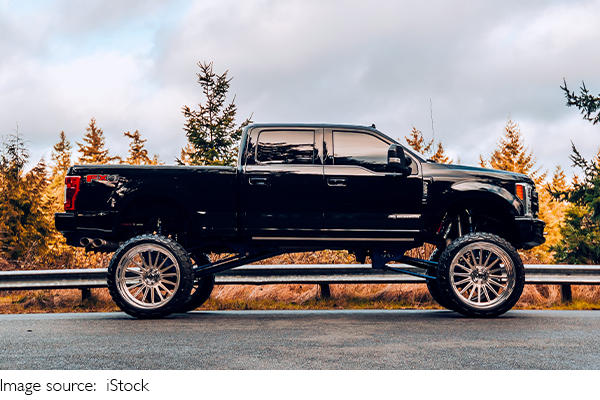
Why Drivers Choose Larger Tires
One of the main reasons drivers install oversized tires is to increase ground clearance. A taller tire can raise the vehicle slightly, helping provide additional space beneath certain components when traveling over rocks, ruts, and uneven trails. This can be useful for drivers who regularly explore rough terrain.
Larger tires can also change a vehicle's overall appearance. Many truck and SUV owners prefer the more substantial look that comes with a wider stance and larger wheel openings. Depending on the tire design, a change may also provide a different tread pattern suited to loose surfaces.
However, tire size alone does not guarantee better off-road performance. The tire's construction, tread design, pressure, and compatibility with the vehicle all influence how well it performs. Choosing a size based only on appearance can lead to unnecessary compromises.
How Oversized Tires Affect Handling
Increasing tire diameter or width can change the way a vehicle responds to steering inputs. Depending on the combination of tires and wheels, the vehicle may feel different when turning, changing lanes, or navigating tight spaces.
Larger tires can also add weight, particularly when paired with heavier wheels. Extra rotating weight may make acceleration feel less responsive and place additional demands on some vehicle components.
Clearance is another important consideration. Tires that are too large may rub against the wheel arches, suspension parts, or inner bodywork when the steering wheel is turned fully or the suspension moves over uneven ground. This can cause damage if the problem is not addressed.
Fuel Economy and Acceleration
Oversized tires may increase fuel consumption, although the actual effect varies by vehicle, tire design, driving conditions, and tire pressure. Larger tires can weigh more and create additional rolling resistance, requiring more energy to keep the vehicle moving.
A change in tire diameter can also affect effective gearing. If the new tires are taller, the engine has to work harder to deliver the same performance, particularly during acceleration or when climbing hills. A larger tire may look appealing, but the additional operating cost could outweigh the advantages if the vehicle rarely leaves paved roads.
Braking and Dashboard Accuracy
Tire diameter influences how far a vehicle travels with each wheel rotation. When larger tires are installed without appropriate adjustments, the speedometer and odometer may no longer provide accurate readings.
Taller tires make the speedometer read lower than the true speed. With a tire about 3% taller, the vehicle is doing roughly 62 mph when the dial shows 60, and the odometer records less distance than was actually driven.
Braking performance also deserves attention. Larger or heavier tires can alter the demands placed on the braking system, while changes in tire grip may affect how the vehicle responds during sudden stops. The result depends on several factors, including the tire compound, tread design, vehicle setup, and road conditions.
Choosing the Right Tire Size
The best tire upgrade depends on how the vehicle will be used. Someone who frequently travels over rocky trails may prioritize ground clearance and suitable off-road tread. A driver who mainly uses city streets and highways may benefit more from retaining a size that supports predictable handling, comfortable travel, and efficient operation.
Check the vehicle's recommended tire specifications before making a purchase. Consider load capacity, speed rating, wheel compatibility, and available clearance, not simply overall diameter. Wider tires are not automatically better, and a more aggressive tread can produce additional road noise.

A successful upgrade begins with a clear understanding of driving needs and the vehicle's limits. Rather than choosing the largest tires that fit visually, select a compatible size that balances appearance, safety, comfort, and performance. Professional guidance can help ensure the finished setup works as intended.