Homemade Wedding Cake

Celia
| 15-10-2026
 · Cate team
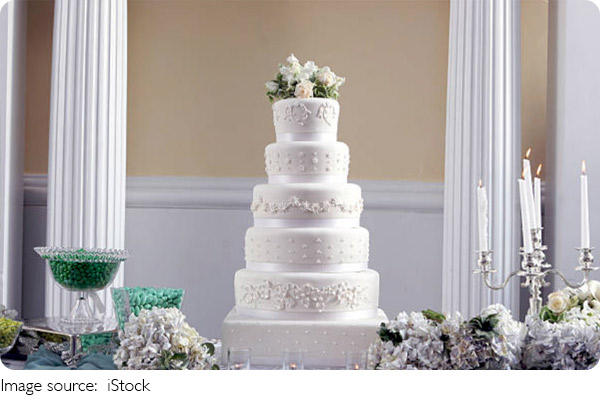
A homemade wedding cake can be a meaningful centerpiece for a special celebration, and baking one from scratch is more manageable when the process is divided into simple stages.
Soft vanilla cake layers, smooth buttercream, and careful assembly create a classic dessert that looks elegant without requiring professional decorating skills.
Ingredients
The recipe has two parts, the cake layers and the frosting. For the vanilla cake, you will need:
- 375 g all-purpose flour
- 2 teaspoons baking powder
- ½ teaspoon baking soda
- ½ teaspoon salt
- 225 g unsalted butter, softened
- 400 g granulated sugar
- 4 large eggs, at room temperature
- 2 teaspoons vanilla extract
- 240 ml whole milk, at room temperature
- 120 g sour cream, at room temperature
The buttercream is made separately, once the cake layers are out of the oven. For it, you will need:
- 340 g unsalted butter, softened
- 600 g powdered sugar, sifted
- 2 teaspoons vanilla extract
- 2–4 tablespoons milk
- A small pinch of salt
This makes one three-layer cake, about 20 cm across.
Instructions
Allow about 1 hour for preparation, plus baking, cooling, and decorating time. Follow these steps in order:
1. Prepare the oven and pans. Preheat the oven to 175°C. Grease three round cake pans measuring approximately 20 cm across, then line their bases with baking paper. Prepare the pans before mixing so the batter can go into the oven promptly.
2. Combine the dry ingredients. In a medium bowl, whisk together the flour, baking powder, baking soda, and salt. Mixing these ingredients first helps distribute the raising agents evenly throughout the cake.
3. Cream the butter and sugar. In a large mixing bowl, beat the softened butter and granulated sugar until the mixture looks pale and fluffy. This step incorporates air, helping produce a lighter cake texture.
4. Add the eggs and vanilla. Beat in the eggs one at a time, mixing after each addition. Add the vanilla extract and scrape down the sides of the bowl so the ingredients combine evenly.
5. Mix the wet and dry ingredients. Stir the sour cream into the milk. Add the dry mixture to the butter mixture in several additions, alternating with the milk mixture. Begin and finish with the dry ingredients. Mix just until the batter is smooth, avoiding excessive beating.
6. Divide and bake. Distribute the batter evenly among the prepared pans. Bake for approximately 25–35 minutes per layer, depending on pan size and oven performance, and check near the end of the baking period. A toothpick inserted into the center should come out clean or with a few moist crumbs.
7. Cool the cake layers. Leave the cakes in their pans for about 10–15 minutes before carefully turning them onto wire racks. Remove the baking paper and allow the layers to cool completely. Never spread buttercream over warm cake because the frosting can melt and slide.
8. Prepare the buttercream. Beat the softened butter until creamy. Gradually add the sifted powdered sugar, mixing at a low speed initially to prevent a cloud of sugar from escaping the bowl. Add the vanilla extract, salt, and enough milk to create a smooth, spreadable consistency.
9. Level and stack the layers. Gently trim any raised tops to create flat, even layers. Place the first layer on a serving board, spread an even coating of buttercream over the surface, and carefully stack the remaining layers, adding buttercream between each one.
10. Apply the outer frosting. Cover the top and sides with a thin layer of buttercream to trap loose crumbs. Refrigerate briefly until the coating firms, then apply a second layer and smooth the surface using an offset spatula. Keep the decoration simple or add small piped details for a polished finish.
11. Store and serve. Keep the finished cake refrigerated when it will not be served promptly because its buttercream contains dairy. Before serving, allow a short period at room temperature so the cake softens slightly.
Tips for a Better Result
Use ingredients at room temperature for a smoother batter and more even mixing. Weighing ingredients is also more reliable than estimating quantities with cups, especially when baking several layers. Avoid adding too much milk to the frosting at once, because a small amount can change its consistency quickly.
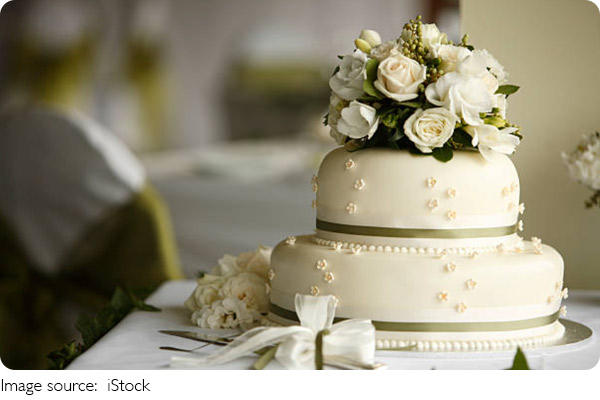
If the cake will be transported to the celebration, use a sturdy cake board and keep it chilled until travel. With careful measuring, thorough cooling, and patient assembly, the result is a cake with even layers and smooth frosting that adds a personal touch to the day.