Lofoten Island Escape

Kai
| 14-10-2026
 · Travel team
Located above the Arctic Circle in Nordland County, Norway, the Lofoten Islands are renowned for their rugged mountains, sheltered fjords, sandy beaches, and traditional fishing communities.
Svolvær, the archipelago’s largest town, offers convenient access to many of its attractions.
From scenic coastal drives and rewarding hikes to peaceful villages and seasonal natural spectacles, Lofoten appeals to travelers seeking outdoor adventures, photography, and authentic coastal scenery. The Midnight Sun illuminates summer days, while the Northern Lights may appear during the darker months.
Lofoten, Norway
Reine and Hamnøy
Reine and Hamnøy are among Lofoten’s most recognizable destinations. Colorful fishing cabins stand beside sheltered waters, with steep mountain peaks creating a striking backdrop.
Reine provides a convenient base for exploring southern Lofoten, while Hamnøy is particularly popular for its harbor, bridges, and traditional architecture. Both villages offer excellent photography opportunities and access to nearby coastal walks.
For a memorable stay, consider a rorbu, a traditional fishermen’s cabin adapted into holiday accommodation. These properties combine local character with a comfortable base for exploring the surrounding landscape.
Mountain Hiking and Scenic Views
Lofoten’s hiking trails range from accessible walks to demanding mountain ascents. Reinebringen is famous for its stone staircase and sweeping views across Reine and the surrounding fjords.
Ryten offers impressive perspectives of Kvalvika Beach, while Offersøykammen and Mannen provide additional opportunities to explore the archipelago’s mountainous terrain.
Choose a route that matches your experience and fitness level. Bring suitable footwear, waterproof clothing, warm layers, and sufficient water. Check local trail information and weather forecasts before setting out, and allow enough time to complete your hike comfortably.
Beaches and Coastal Adventures
Lofoten’s beaches combine pale sand, clear water, and dramatic mountain scenery. Kvalvika Beach rewards hikers with a secluded coastal setting, while Haukland Beach is popular for photography, leisurely walks, and views across the surrounding landscape.
Unstad is known for its surfing culture and distinctive coastline. The sea remains cold throughout much of the year, so appropriate equipment and preparation are essential for water-based activities.
Visitors can enjoy coastal photography, beach walks, and peaceful seaside viewpoints while respecting local access guidance and preserving the natural environment.
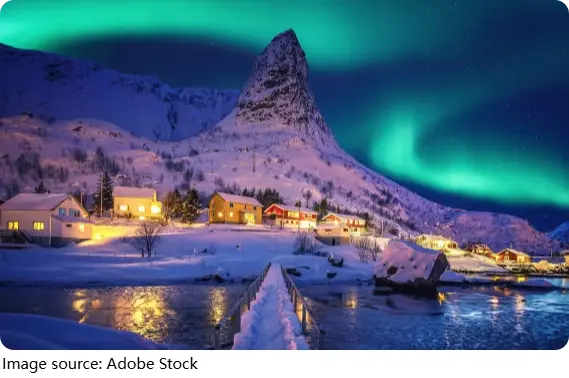
Northern Lights and Midnight Sun
Lofoten’s changing daylight creates two distinctive seasonal experiences. The Northern Lights may be visible from late August through mid-April, depending on darkness, cloud cover, and solar activity. Open coastal locations away from unnecessary artificial light can provide excellent viewing opportunities.
Allow several evenings for aurora viewing if it is a priority, and keep your plans flexible to make the most of favorable conditions.
During summer, the Midnight Sun brings continuous daylight for several weeks. It is generally visible from approximately May 28 to July 14, with exact dates varying by location. The extended daylight allows more time for hiking, photography, sightseeing, and scenic drives.
How to Get There
By Air
Travelers can fly to Svolvær or Leknes, typically connecting through other Norwegian airports. Harstad/Narvik Airport at Evenes is another option, followed by a journey to Lofoten by road or bus. Choose your arrival point according to your itinerary and the locations you plan to visit.
By Ferry and Boat
Ferries and express passenger boats connect Lofoten with surrounding coastal destinations. Some ferries carry vehicles, while other services are designed for passengers. Ticket prices depend on the route, distance, and vehicle requirements, so check current fares before departure.
By Road
The E10 is the main road through Lofoten, connecting many of its villages, beaches, and scenic viewpoints. Renting a car provides flexibility for exploring less accessible locations and stopping at viewpoints along the way.
Car rental may cost approximately $80–$180 per day, depending on the season, vehicle type, and availability. Budget separately for fuel and any applicable parking charges.
By Bus
Regional buses connect several communities across the archipelago and can be a practical option for travelers following established routes. Fares and journey times vary, so check current schedules before arranging excursions, particularly when visiting smaller villages or planning hikes.
Accommodation
Accommodation ranges from traditional fishing cabins and hotels to guesthouses, hostels, farm stays, and established campsites.
Traditional rorbuer may cost approximately $150–$400 or more per night. Mid-range hotels can range from $120–$300 per night, while hostel accommodation may start at around $40–$90 per person per night. Campsite prices may range from $20–$45 per night, depending on facilities and the type of pitch.
Reine and Hamnøy are appealing for travelers seeking a scenic stay surrounded by mountains and fjords. Svolvær is a practical alternative, with access to shops, restaurants, excursions, and transport connections.
Reserve accommodation early for summer travel, particularly if you prefer a specific location or a cabin overlooking the water. All prices are indicative and vary with seasonal demand and availability.
Local Food
Lofoten’s food culture reflects its coastal heritage, with seafood, locally sourced ingredients, cafés, and restaurants offering a range of dining experiences.
A café breakfast or light meal may cost around $12–$25 per person, while a mid-range restaurant meal may range from $30–$70. Coffee and a pastry may cost approximately $6–$12.
Travelers staying in accommodation with kitchen facilities can purchase groceries and prepare their own meals. A basic self-catering budget of $25–$45 per person per day provides a useful starting estimate.
Enjoying local cafés and restaurants between outdoor activities adds another dimension to exploring the islands.
Choosing the Best Season
Summer
Summer is ideal for hiking, beach visits, scenic drives, and photography. Long daylight hours make it easier to explore several locations in one day, while the Midnight Sun creates a distinctive Arctic atmosphere.
Autumn
Autumn brings changing colors, cooler temperatures, and longer nights. It is an appealing season for coastal walks, landscape photography, and Northern Lights viewing when conditions are favorable.
Winter
Winter transforms the mountains and villages with seasonal snow and a different quality of Arctic light. The long nights offer opportunities to observe the aurora, while shorter daylight hours make careful itinerary planning especially useful.
Spring
Spring brings lengthening days and a gradual transition toward summer. Coastal exploration and photography are rewarding, although mountain trails may retain snow. Check local conditions before choosing a hiking route.
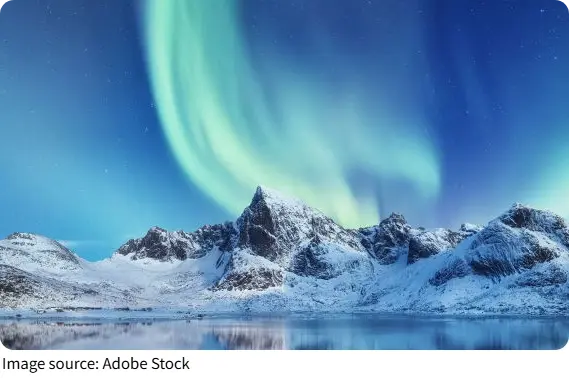
The Lofoten Islands offer an exceptional combination of mountain landscapes, traditional fishing villages, sandy beaches, scenic roads, and remarkable seasonal light. From exploring Reine and Hamnøy to hiking above the fjords and staying in a traditional fishing cabin, each part of the archipelago offers a different way to experience its natural beauty.
With a well-planned itinerary, suitable accommodation, and time to explore at a relaxed pace, Lofoten makes a memorable destination throughout the year. Whether your interests lie in hiking, photography, coastal adventures, or village life, these Arctic islands offer a rewarding escape.