Sports Car Fuel Efficiency

Lucas Schneider
| 12-10-2026
 · Automobile team
A sports car’s sleek design is only one factor influencing its fuel efficiency. Engine technology, transmission gearing, tire construction, vehicle weight, and cooling requirements all affect how much fuel it consumes.
Engineers must balance acceleration, handling, stability, and efficiency to create a vehicle that performs well under different driving conditions. Understanding these elements explains why aerodynamic styling alone does not determine fuel economy.
Aerodynamics and Airflow
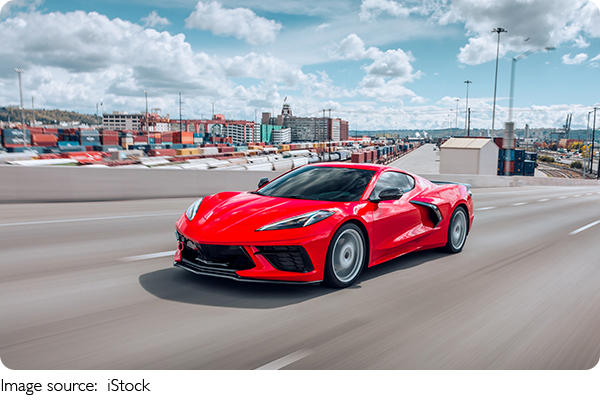
A streamlined body helps reduce aerodynamic drag, particularly at higher speeds. However, sports car design must also account for downforce, cooling, and stability to maintain grip and predictable handling.
Wings, air intakes, and underbody diffusers help control airflow around the vehicle. Their effects on efficiency depend on their shape, placement, and operating conditions. Some features increase drag to generate additional downforce, while carefully optimized bodywork can reduce resistance and improve aerodynamic performance.
Engine Technology and Power
High-performance engines are designed to deliver responsive acceleration and substantial power across a useful range of engine speeds. Their efficiency depends on combustion, engine load, calibration, and operating conditions.
Engine management, valve timing, air intake systems, and exhaust design influence how effectively fuel energy is converted into mechanical power. Producing greater acceleration generally requires more fuel, particularly when the engine operates under heavy load.
Modern engine technologies can improve efficiency by adjusting how the engine operates to suit driving demands. However, actual fuel consumption depends on the engine design, vehicle configuration, and driving conditions.
Transmission and Tire Design
Transmission gearing determines how engine speed relates to road speed. Lower gears support acceleration, while taller cruising gears can reduce engine speed during steady highway travel. Gear ratios and shifting strategies help balance responsiveness with efficient operation.
Tires also affect fuel economy. Performance tires prioritize grip and cornering capability, while some tires designed for efficiency focus on reducing rolling resistance. Tire pressure, construction, tread design, temperature, and road surfaces influence how much energy is needed to maintain movement.
Together, transmission and tire characteristics affect how efficiently a sports car uses its available power.
Cooling Systems and Efficiency
High-performance engines generate substantial heat, making effective cooling essential for maintaining suitable operating temperatures. Radiators, cooling fans, and carefully designed airflow channels help regulate engine temperature during different driving conditions.
Cooling openings can influence aerodynamic drag, so engineers must balance airflow requirements with aerodynamic efficiency. Some vehicles use active grille shutters that adjust airflow according to cooling demand, helping optimize performance under changing conditions.
Driving Habits and Fuel Economy
Driving behavior significantly influences fuel consumption. Rapid acceleration, sustained high speeds, and frequent changes in speed generally increase fuel demand. Smooth acceleration, moderate cruising speeds, and anticipating traffic can help improve fuel economy.
Proper tire pressure and regular maintenance also support efficient operation. Keeping the vehicle in accordance with the manufacturer's recommendations helps its systems perform as intended, although results vary with the model and driving environment.

Balancing Performance and Efficiency
Sports car fuel efficiency results from the interaction of aerodynamic design, engine technology, transmission gearing, tire characteristics, and cooling systems. Each component contributes to the vehicle's overall performance, and engineers must consider how these systems work together.
Although a streamlined exterior can reduce air resistance, overall fuel economy depends on the entire vehicle and how it is driven. A well-engineered sports car balances power, handling, stability, and efficient operation through carefully coordinated design choices.