Anchovy Oil Salsa Verde

Liam Reilly
| 18-08-2026
 · Cate team
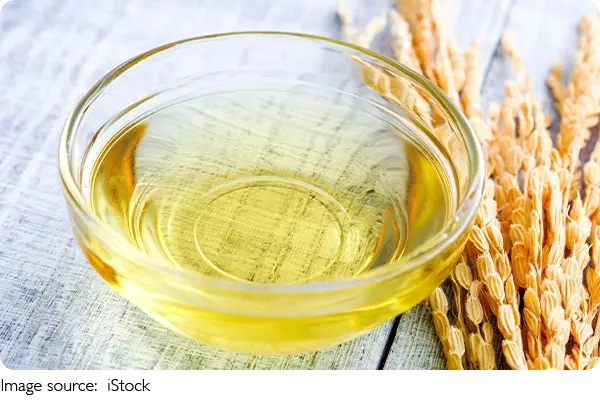
The oil left behind in a tin of anchovies may look like something destined for the bin, but it is actually one of the most useful leftover ingredients in the kitchen. It carries a concentrated savoury flavour and can transform a simple green sauce without requiring the anchovies themselves.
One of the easiest ways to use it is in salsa verde, the bright Italian-style sauce made with herbs, capers, garlic and olive oil. This version is chopped by hand rather than blended, giving it a fresher texture and allowing the herb stalks to become part of the sauce instead of turning stringy.
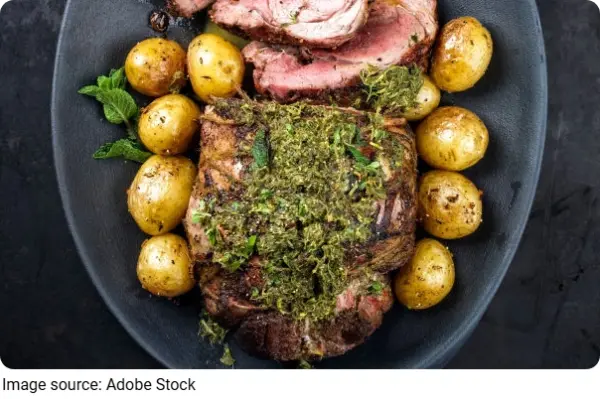
It is excellent with grilled fish, roasted vegetables, lamb, potatoes or simply spooned over warm bread.
Why Save Anchovy Oil?
Anchovy oil contains many of the same salty, savoury notes as the fish itself, but in a softer form.
That makes it useful when you want extra depth without adding whole anchovies to a dish.
It also works particularly well in sauces, dressings and marinades because it blends naturally with olive oil and acidic ingredients such as vinegar or caper brine.
Use it as a seasoning rather than as the main flavour. A little can go a long way.
And one practical rule applies: never pour left-over oil into the sink. If you don't use it immediately, transfer it into a small, clean container and store it in the refrigerator.
Ingredients
Makes one small jar
100 g flat-leaf parsley, including tender stalks, or a mix of soft herbs
1 small garlic clove, peeled
Sea salt and black pepper
2 tbsp capers, drained
1 hard-boiled egg, optional
2 tbsp caper brine or white-wine vinegar
15–30 ml oil from a tin of anchovies
30–50 ml extra-virgin olive oil
Chop the Herbs by Hand
Start by finely chopping the parsley.
Do not discard the tender stalks. They contain plenty of flavour and work particularly well when cut very finely.
A blender may be quicker, but hand chopping gives salsa verde a more interesting consistency. It also helps prevent the stalks from becoming fibrous.
If you have other soft herbs that need using, such as basil, mint or a little coriander, they can be mixed with the parsley.
Make the Garlic and Caper Base
Place the garlic in a mortar with a pinch of coarse sea salt.
Pound until it becomes a smooth paste.
Add the drained capers and continue crushing until you have a rough puree.
You do not need to eliminate every small piece. A little texture is welcome here.
Add the Optional Egg
A hard-boiled egg is not essential, but it changes the character of the sauce in a useful way.
Traditionally, some versions use only the yolk, which helps bind the oil and other ingredients.
Using the whole egg works just as well and avoids leaving an unused white behind.
Finely chop the egg and add it to the mortar with the herbs.
Pound or stir everything together until the mixture becomes thick and cohesive.
The egg gives the salsa a slightly creamier texture without making it feel heavy.
Build the Sauce
Add the caper brine or white-wine vinegar.
This sharpness is essential because it balances the richness of the oils and keeps the sauce tasting fresh.
Next, stir in the anchovy oil.
Start with the smaller amount, especially if the oil tastes strongly seasoned.
Then gradually add extra-virgin olive oil until the salsa reaches a loose, spoonable consistency.
You may need closer to 30 ml for a thicker sauce or up to 50 ml if you want it more fluid.
Taste before adding more salt because the anchovy oil and capers already bring plenty of seasoning.
Finish with freshly ground black pepper.
Let the Flavours Settle
The salsa can be served immediately, but resting it for around an hour gives the flavours time to blend.
The garlic softens slightly, the herbs absorb the oils and the acidity becomes more evenly distributed.
If making it ahead, place it in a clean jar and refrigerate.
It is best used within two days.
For longer storage, spoon the salsa into an ice-cube tray and freeze it in small portions. That way, you can defrost only what you need for a quick dinner.
What to Serve It With
This salsa verde is particularly good with grilled or roasted fish because the herbs and acidity cut through richer flavours.
It also works beautifully with lamb, roasted potatoes, courgettes, aubergines or grilled peppers.
Try spooning it over boiled new potatoes, stirring a little through warm grains or using it as a dressing for beans.
A small amount can also lift a simple sandwich or toasted bread.
Use Every Drop
The most useful part of this recipe is the idea behind it.
Ingredients that seem like leftovers often still contain plenty of flavour. Anchovy oil is a perfect example: instead of treating it as waste, it can become the foundation of a completely new sauce.
With herbs, capers, garlic and a little acidity, the oil from one small tin can turn into a bright, savoury salsa verde that makes an ordinary meal taste far more interesting.