British‑Crafted Chocolate

Declan Kennedy
| 17-08-2026
 · Cate team
Chocolate may be deeply embedded in British food culture, but one essential ingredient normally comes from much warmer parts of the world: cocoa. Now researchers at the University of Reading have created an unusual exception — a chocolate bar made entirely with ingredients grown or produced in Britain.
The project was created to mark the university’s centenary and used cocoa harvested from plants growing in its specialist collection in Berkshire. Only six bars have been produced so far, making the experiment far more valuable as a scientific demonstration than as the beginning of a new commercial chocolate line.
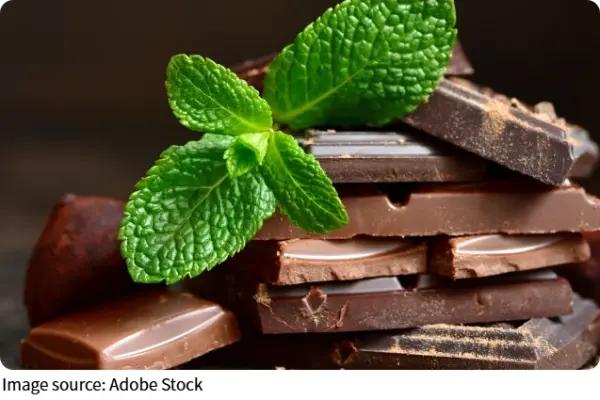
From Cocoa Pod to Chocolate Bar
Master’s student Maha Khan handled the entire process locally, harvesting the cocoa pods before fermenting and processing the beans at the university.
That is unusual in Britain because cocoa trees normally thrive in humid tropical environments. The plants used for the project were grown under carefully controlled conditions at Reading’s International Cocoa Quarantine Centre.
Before cocoa becomes recognisable as chocolate, the beans must go through several stages, including fermentation, drying, roasting and processing. The raw beans are surrounded by pale pulp inside the pod, which Khan described as having a fresh, fruit-like flavour reminiscent of lychee.
The finished chocolate was described as particularly rich and complex, partly because Reading maintains an unusually diverse cocoa collection.
More Than 300 Types of Cocoa
The university’s International Cocoa Quarantine Centre holds more than 300 types of cocoa plant. It is also a major international hub for safely moving cocoa plant material between countries and research institutions.
That work matters because transporting living plant material can also transport pests and diseases. The Reading facility acts as an intermediate quarantine centre, allowing cocoa material to be checked before it reaches another growing region.
According to the university, the centre handles around 97% of international cocoa plant movement. Its collection supports research and breeding programmes seeking healthier and more resilient cocoa varieties.
Why Cocoa Diversity Matters
The British-made bar has a serious message behind its novelty.
Cocoa production is highly sensitive to environmental conditions. Changes in rainfall, temperature, pests and disease can affect yields, creating problems not only for farmers but eventually for chocolate manufacturers and consumers.
Reading researchers study how cocoa responds to environmental pressures and how genetic diversity could help breeders develop plants better suited to changing growing conditions.
Preserving hundreds of different varieties is therefore more than maintaining an unusual botanical collection. Genetic diversity gives researchers a larger pool of traits to investigate when looking for resistance to disease, heat or other stresses.
The more variation scientists can protect, the greater the possibility of finding cocoa plants capable of coping with future conditions.
A Chocolate Bar With History
The experiment also has an unusual historical connection.
According to records highlighted by the university, the previous known chocolate bar made entirely from British ingredients was produced by Rowntree’s in York in 1932. It was presented to the future Queen Elizabeth II when she was six years old.
More than nine decades later, Reading has repeated the idea using modern plant science.
The new chocolate is not about turning southern England into a major cocoa-growing region. Maintaining tropical plants under controlled conditions would hardly provide an alternative to established producing countries.
Instead, the bar demonstrates just how long and complicated the journey from cocoa pod to finished chocolate really is.
Only Six Bars — For Now
Large-scale production is unlikely in the immediate future. Cocoa develops slowly, with an individual pod taking around six months to mature, and the amount of suitable material available from the research collection is limited.
There are hopes that more bars could eventually be produced if enough beans become available.
For now, their rarity may actually strengthen the project’s message.
A chocolate bar grown and made in Reading is a curiosity. The collection behind it, however, could play a much more important role in helping researchers protect the future of cocoa.