Engine Meets Control

Kai
| 22-10-2026
 · Automobile team
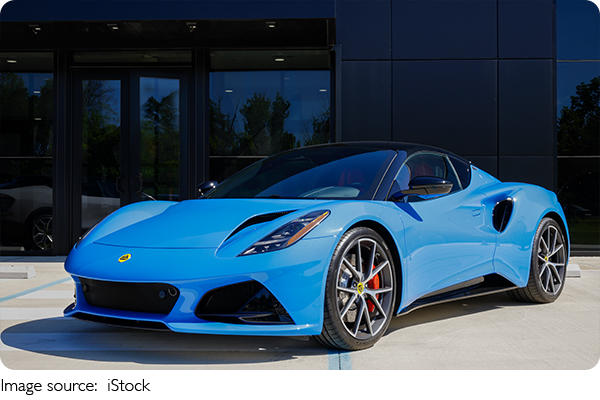
Lykkers, when we talk about sports cars, what is the first thing that comes to mind? For many of us, it is speed. We picture a quick launch, strong power, and a car moving smoothly along an open road.
Yet speed is only one part of the experience. The deeper appeal comes from how naturally the car responds to us. Its engine, steering, suspension, and braking system work together to create a driving experience that feels direct and balanced.
Once we understand these details, we can see why a sports car can be enjoyable even during an ordinary drive.
The Engine Response
We can think of the engine as the main source of a sports car's character. A daily vehicle often focuses on smooth running, quiet operation, and practical fuel use. A performance-focused engine has a different purpose. It is designed to deliver power quickly while responding closely to the driver's input.
When we start the car, we may notice a deeper and more energetic sound. As we gently press the accelerator, the engine responds without a long delay. The vehicle begins to gain speed in a smooth, controlled way, creating a clear connection between our foot and the car. That response can be especially satisfying when we need to adjust speed on a clear road. A small movement of the accelerator can create an immediate change, making the car feel alert without requiring dramatic input.
Why Response Matters
Quick response is not simply about driving faster. It also helps us understand what the vehicle is doing. When the car reacts predictably to a small pedal movement, we can make smoother decisions and maintain better control.
This becomes noticeable on roads with gentle curves. We can gradually increase or reduce power instead of making sudden adjustments. The result is a more relaxed driving experience because the vehicle seems to follow our intentions naturally. For us, that sense of connection can be more enjoyable than simply looking at a high-performance figure. The feeling comes from the interaction between driver and machine.
Handling Builds Confidence
If the engine provides the energy, handling determines how that energy is managed. We can feel this through the steering, suspension, tires, and overall balance of the car.
Imagine approaching a corner at a safe speed. As we turn the steering wheel, we want the vehicle to follow our chosen direction without excessive movement. A well-balanced sports car can feel stable through the turn, allowing us to make small steering adjustments with confidence. The steering can also give us useful feedback. Instead of feeling vague, it can help us understand how the front wheels are responding. This makes the car easier to place on the road and creates a stronger sense of control.
Braking Feels Precise
Braking is another important part of the experience. A performance-oriented braking system can provide firm and controlled deceleration with a relatively small pedal movement.
For us, precision matters more than simply having strong braking power. We can gently adjust pedal pressure according to traffic, road conditions, and the upcoming turn. Smooth braking can help keep the vehicle settled and ready for the next steering movement. In everyday driving, this quality can make simple speed changes feel more comfortable and predictable.
Enjoyment Every Day
We do not need a special track to appreciate these qualities. Some of the most enjoyable moments can happen during normal driving. Picture an evening journey on a clear road. We gently press the accelerator, feel the engine respond, and guide the vehicle through a gradual curve. Our hands remain relaxed on the steering wheel, while the car follows our inputs. There is no need for extreme speed. The satisfaction comes from knowing how the vehicle will react.
This is where many of us discover the real charm of a sports car. Small actions become more engaging. Pressing the pedal, turning the wheel, and slowing down all feel connected.

Where Power Meets Control
When the engine and handling work together, the character of a sports car becomes much easier to understand. Strong power alone is not enough. Precise steering without responsive power would also feel incomplete. The real attraction comes from the balance between them. We give an input, the vehicle responds, and we immediately understand what happened. That simple connection can make driving feel natural and rewarding.
Lykkers, the next time we see a sports car, let us look beyond its shape and speed figures. Think about the engine response, steering feel, braking precision, and overall balance. Which would you enjoy more: the quick response from the engine or the confidence created by precise handling? Share your choice, and let us keep exploring what makes driving so enjoyable.