Essential Tire Care

Mariana Silva
| 22-10-2026
 · Automobile team
Motorcycle tires do far more than support the weight of the bike. They provide traction during acceleration, maintain stability in corners, absorb imperfections in the road, and help the braking system work effectively.
Because they are the only parts of the motorcycle that touch the ground, their condition has a direct influence on comfort, control, and overall riding performance.
Many tire problems develop gradually. Uneven wear, pressure loss, small cuts, and aging rubber are often difficult to notice until they begin to affect the ride. The good news is that preventing unnecessary wear does not require advanced tools or extensive mechanical knowledge. A few consistent habits can help riders maintain better tire condition and identify issues early.
Check Pressure Before Riding
Tire pressure should be checked regularly, especially before longer rides. Pressure that is too low increases flexing and heat buildup, while pressure that is too high can reduce comfort and concentrate wear in the center of the tread.
For the most accurate reading, check the tires when they are cold and follow the pressure values recommended for the motorcycle. A compact pressure gauge is inexpensive, easy to carry, and takes only a moment to use. Regular checks are one of the simplest ways to support even tire wear and consistent handling.
Keep Tires Clean
Dirt, mud, sand, and small stones can collect in the tread grooves and around the sidewalls. Cleaning the tires helps preserve visibility during inspection and prevents debris from remaining trapped in the tread.
Use clean water and a soft cloth for routine cleaning. If heavier residue is present, choose a product intended for motorcycle tires and follow its instructions carefully. After washing, dry the tires thoroughly so that cracks, cuts, or other unusual marks are easier to detect.
Use Smooth Riding Inputs
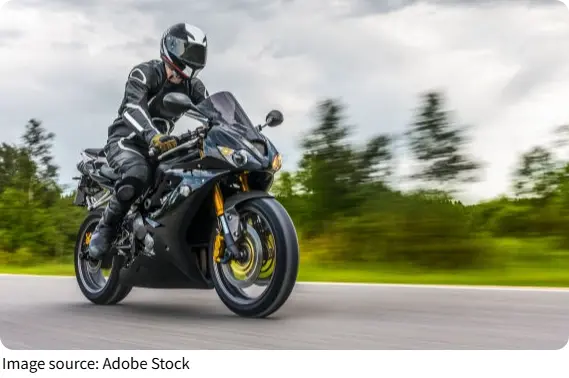
Riding style has a significant effect on tire life. Sudden acceleration, harsh braking, and aggressive direction changes place additional stress on the tread and generate extra heat.
Smoother control inputs can reduce unnecessary wear. Apply the throttle progressively, brake with anticipation rather than at the last moment, and look farther ahead to prepare for traffic and road changes. On rough or loose surfaces, reducing speed helps limit impacts that can damage the tire.
Store the Motorcycle Correctly
When a motorcycle is not used for an extended period, the tires continue to age. Heat, sunlight, and moisture can gradually affect the rubber.
Store the motorcycle in a cool, dry, and well-ventilated area away from direct sunlight. A suitable cover can help reduce exposure to dust and light. During long storage periods, check tire pressure occasionally and keep it within the recommended range.
Inspect for Wear and Damage
A quick visual inspection can reveal problems before they become serious. Examine the tread pattern and check the built-in wear indicators. Replace the tire when the tread reaches those indicators.
Also look for cuts, cracks, punctures, bulges, or damage around the sidewall. Pay attention to the valve area as well. If a tire repeatedly loses pressure, the cause should be identified rather than corrected by simply adding more air.
Build a Simple Tire Routine
Professional motorcycle care is often based on consistency rather than complexity. A practical routine can be completed in a few minutes:
- Check cold tire pressure.
- Remove debris from the tread.
- Inspect the tread and sidewalls.
- Confirm there is no unusual pressure loss.
- Ride with smooth, controlled inputs.
The Habit That Supports Every Ride
Tire life depends on many factors, including tire design, motorcycle weight, road conditions, temperature, mileage, and riding style. No maintenance routine can guarantee a specific number of extra kilometers. However, consistent tire care can reduce unnecessary wear, improve ride quality, and help identify potential problems before they become serious.
Before your next ride, take a moment to check the tire pressure and inspect the tread and sidewalls carefully. It is a simple habit, but it supports every turn, every stop, and every kilometer that follows, making each ride smoother, more confident, and better prepared for the road ahead.