Tire Care That Lasts

Luca
| 14-08-2026
 · Automobile team
Tires are among the most important components of a vehicle. They provide traction, support the vehicle’s weight, influence braking performance, and help maintain steering control in all driving conditions.
Because they are constantly exposed to heat, road surfaces, and changing weather, they require regular attention. Consistent tire maintenance not only improves safety but also enhances ride quality, fuel efficiency, and long-term performance.
Maintain the Correct Tire Pressure
Proper tire pressure is the foundation of good tire care. Underinflated tires create excessive rolling resistance, generate additional heat, and wear more quickly. They can also make the vehicle feel less responsive. Overinflated tires reduce the contact area with the road and may cause the center of the tread to wear prematurely.
Always use the pressure recommended by the vehicle manufacturer, which is typically listed on the label inside the driver’s-side door area or in the owner’s manual. Check tire pressure when the tires are cold for the most accurate reading. A quality tire gauge and a monthly pressure check are simple steps that help maintain safety, comfort, and efficiency.

Inspect Tread Wear Regularly
Tread depth plays a critical role in grip, especially on wet roads. As the tread becomes shallower, the tire is less effective at directing water away from the contact surface.
Examine the entire tread, not just the center. Uneven wear can indicate alignment or inflation problems. Wear on one edge often suggests an alignment issue, while excessive wear in the center may point to overinflation. Most tires include built-in tread wear indicators, and when the tread becomes level with these indicators, replacement is recommended.
Perform Quick Routine Checks
A visual inspection takes only a minute and can reveal problems early. Look for cuts, cracks, embedded objects, bulges, or other visible damage on the tread and sidewalls.
Once a month, check all four tires and the spare tire if the vehicle is equipped with one. During the same inspection, review tread depth and wear patterns. Regular tire rotation, performed according to the vehicle manufacturer’s schedule, helps distribute wear more evenly and can extend tire life.
Avoid Habits That Shorten Tire Life
Driving with low tire pressure is one of the most common causes of premature tire wear. Overloading the vehicle places additional stress on the tires and increases heat buildup. Striking curbs, potholes, or other road hazards can damage the tire structure or affect wheel alignment, even when damage is not immediately visible.
Tire age also matters. Heat, sunlight, storage conditions, and maintenance practices all influence how long a tire remains in good condition. Tires that have been in service for several years should be inspected periodically by a qualified professional.
Replace Tires at the Right Time
Tires should be replaced when tread depth becomes too low, when visible damage is present, or when a professional determines that the tire is no longer suitable for safe use. When purchasing new tires, select the size and type specified for the vehicle. Properly matched tires help preserve the handling, stability, and performance characteristics intended by the manufacturer.
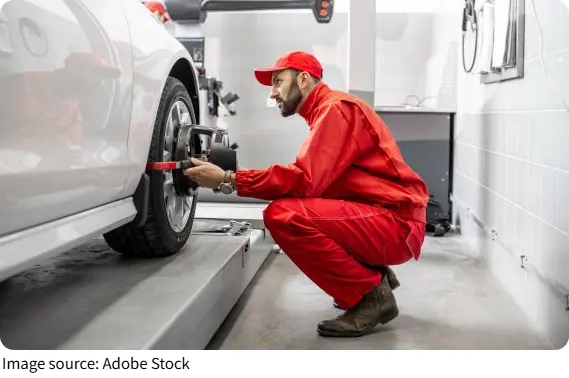
Effective tire care is based on a few consistent habits: maintain the correct pressure, monitor tread wear, rotate tires at the recommended intervals, and address visible damage promptly. These simple actions improve safety, support better handling, enhance driving comfort, and help tires last longer.
A brief inspection each month requires very little time, yet it can prevent larger problems and keep the vehicle performing as intended. Tires are the only part of a vehicle that remains in constant contact with the road, making their care one of the most valuable investments in everyday driving safety and performance.