Sports Car Grip

Lucas Schneider
| 14-08-2026
 · Automobile team
Hi, Readers! A sports car can have a sharp engine, quick steering, and shiny hardware, but the whole show still leans on four patches of rubber touching the road. Those tiny contact patches are like the shoes of the car. If the shoes slide, the dancing gets messy fast.
Tire grip shapes how a car turns in, how hard it can brake, how early it can accelerate out of a corner, and how confident the driver feels doing all of it. In simple terms, grip is the friction between the tire and the road surface, and that friction is what lets the car change speed or direction without sliding away from the driver's plan.

What Grip Really Does
Grip is the tire's ability to transmit forces to the road. That includes accelerating, braking, and cornering. A sports car feels lively because its tires can generate enough force to respond quickly to steering and pedal inputs. When grip is high, the car feels planted and precise. When grip is low, everything gets nervous, like wearing slick shoes on a rainy floor. The tire must also manage different loads at once. In a corner, it is not just turning. It may also be handling braking or acceleration. That balancing act changes the way the whole car behaves.
Why Contact Patch Matters
The tire touches the road through a relatively small contact patch, but that tiny area carries the full task of connecting the car to the pavement. The shape and behavior of this patch change with load, tire pressure, speed, and tire construction. In a sports car, that means setup matters a lot. If pressure is off, the tire may not sit on the road properly. Too much pressure can reduce the effective area touching the surface, while too little can make the tire feel slow and sloppy in response. The result is a direct change in steering feel and stability.
Tread, Compound, and Heat
Not all tires grip the same way. Tread pattern helps move water away and affects performance in wet conditions, while the rubber compound influences how sticky the tire can be. Softer compounds often offer better grip, but they usually wear faster. Temperature also plays a big part. Tires often work best within a certain heat range. If they are too cold, they may feel stiff and less responsive. If they get too hot, performance can fade. On a sports car, this is why the same model can feel brilliant on one road and less convincing on another.
Cornering Feel and Driver Confidence
One of the biggest ways grip changes the driving experience is through cornering. Strong front-end grip helps the car turn in cleanly, while balanced grip front to rear helps it stay neutral and predictable through the bend. If the front tires run out of grip first, the car pushes wide. If the rear tires lose grip first, the rear steps outward. These differences shape whether a car feels calm, playful, or demanding. Good tires make feedback clearer, so the driver can sense what the car is doing and adjust smoothly.
Braking and Acceleration
Grip is just as important in straight-line performance. Under braking, the tires must generate enough friction to slow the car without locking and sliding. Under acceleration, they must transfer engine force to the road without spinning away energy. A sports car with strong grip can brake later, launch harder, and feel more stable while doing both. That does not just improve performance figures. It makes the whole machine feel more connected and easier to trust.
Road Surface Changes Everything
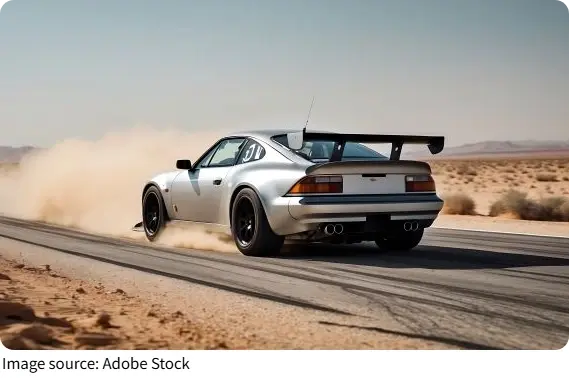
Even an excellent tire cannot create magic on every surface. Grip depends heavily on the road itself. Dry pavement usually offers more friction than wet pavement, and loose or dirty surfaces reduce traction further. That is why a sports car can feel heroic on one stretch of road and cautious on the next. The tire is always negotiating with the surface beneath it, and the result of that negotiation becomes the driver's experience through the steering wheel, pedals, and seat.
In the end, tire grip is not some side detail hiding in the shadows. It is the foundation of the entire driving experience in a sports car. Better grip can make a car feel sharper, safer, and more enjoyable, while poor grip can turn even a great machine into a slippery shopping cart with attitude. If you want to understand why one sports car feels magical and another feels merely quick, start where the car meets the road.