New Energy Brands

Owen Murphy
| 14-08-2026
 · Automobile team
Hi, Readers! New energy vehicle brands are a bit like coffee shops on the same street.
At first glance, they all seem to sell the same basic thing, but step inside and each one has its own flavor, rhythm, and loyal crowd. In the vehicle world, these brands are usually built around new energy vehicles, a category that includes battery electric vehicles, plug-in hybrid vehicles, and fuel cell vehicles.
What makes them special is not just the power source, but the whole package around design, technology, charging, range, driving feel, and brand identity.
Power source and vehicle type
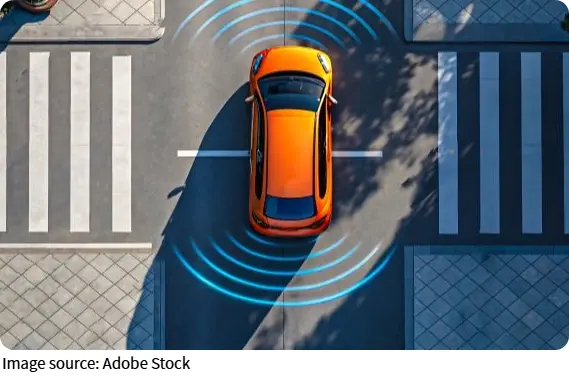
One big feature that separates new energy brands is the kind of power system they focus on. Some brands center their identity on battery electric vehicles, which run entirely on electricity stored in rechargeable battery packs. These are the clean-cut minimalists of the road, quiet and smooth, with no tailpipe emissions while driving. Other brands offer plug-in hybrid vehicles, which combine an electric motor with a conventional engine, giving drivers flexibility for both short city trips and longer journeys. Then there are fuel cell vehicles, which use hydrogen to generate electricity on board. They are less common, but they bring another route in the new energy landscape.
Technology as a selling point
Many new energy brands treat technology like the star player, not just a supporting extra. They often highlight battery management systems, regenerative braking, smart connectivity, over-the-air software updates, and driver assistance features. For some brands, the car is almost like a rolling smart device, always updating, always tweaking itself, always trying to impress you with one more trick. This tech-first style helps brands stand out, especially for buyers who care about digital features as much as driving itself.
Range and charging experience
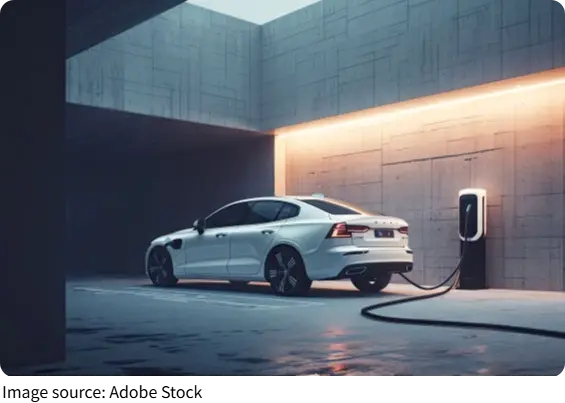
Another defining feature is how brands handle the classic question every buyer asks: how far can it go, and how easy is it to recharge? Range is a major point of competition, especially for battery electric models. Some brands focus on long-range vehicles to reduce charging anxiety, while others aim at shorter urban commuting with smaller battery packs. Charging also shapes brand character. A brand may stand out through fast-charging capability, home charging support, public charging network access, or battery swap solutions. In simple terms, some brands sell peace of mind as much as they sell vehicles.
Design and driving personality
New energy brands also use design to carve out a place in the market. Some go for sleek, futuristic styling, like they were sketched by someone who really likes smooth lines and glowing screens. Others keep things practical and familiar, making the shift to new energy feel less intimidating. Inside the vehicle, many brands emphasize quiet cabins, open layouts, and digital dashboards. Driving feel matters too. Electric models are often known for quick acceleration and smooth power delivery, and brands may tune that experience toward comfort, efficiency, or performance.
Brand image and target audience
Not every new energy brand is speaking to the same crowd. Some aim for premium buyers and lean heavily into luxury, advanced features, and brand prestige. Others target families, commuters, or first-time buyers with practical pricing and easy everyday use. There are also brands that build their image around sustainability, innovation, or urban mobility. In other words, the badge on the front often signals a lifestyle choice as much as a transport option.
Policy and market role
New energy brands are also shaped by government policy, incentives, and infrastructure development. In many markets, their growth is linked to support for cleaner transport, including tax benefits, purchase incentives, and charging investment. This means their features are not just about engineering, but also about how they fit into a broader shift toward lower-emission mobility. That wider role helps explain why these brands often present themselves as part transport company, part tech company, and part future-facing statement.
In short, the main特色 of new energy brands comes down to their energy system, technology focus, charging approach, design language, driving experience, and target audience. Some lean into long range, some into smart features, and some into affordability or premium appeal. If you are comparing them, it helps to look beyond the logo and ask what daily life with that brand would really feel like. That is usually where the real personality shows up.