Manual Magic

Camille Dubois
| 14-08-2026
 · Automobile team
Hi, Readers! Few things in car culture feel as delightfully hands-on as a manual sports car. It is like making coffee by hand instead of pressing a shiny button. Sure, the machine can do it faster, but where is the fun in that?
The tug of the shifter, the rhythm of the clutch, the tiny dance between hand and foot, all of it turns driving from simple transport into something closer to a performance. A manual transmission is a type of gearbox that requires the driver to shift gears directly.
Instead of letting the car choose ratios on its own, the driver uses a gear lever and clutch to control how power reaches the wheels. That setup gives a stronger sense of involvement because every acceleration, every downshift, and every corner exit asks for input. In a sports car, that can feel deeply satisfying. It is not just about going fast. It is about feeling connected.
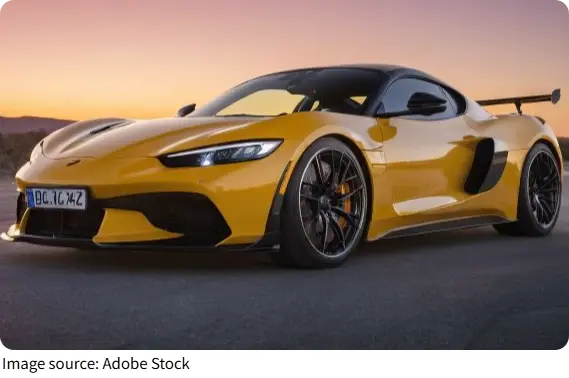
Why Manuals Feel Special
For many drivers, the appeal of a manual sports car comes from control. A manual lets the driver choose exactly when to shift and how long to hold a gear. That can make the car feel more alive, like a musical instrument that responds to touch instead of a device that simply follows commands. Even small things, like a smooth launch or a perfectly timed downshift, can feel rewarding in a way that an automatic often does not match.
There is also a learning curve, and oddly enough, that is part of the charm. A manual asks for attention and practice. At first, it can feel like trying to tap your head and pat your stomach while balancing a cup of coffee. Later, once the motions become natural, it feels wonderfully intuitive. That sense of skill keeps many enthusiasts loyal.
Why Automatics Got So Good
Modern automatic transmissions have become incredibly capable. Traditional automatics use planetary gearsets, hydraulic systems, and torque converters to shift gears automatically. Over time, they have grown smoother, faster, and more efficient. Many performance cars now use advanced automatics or automated manual systems that can shift much more quickly than a human driver using a clutch pedal.
That speed matters in performance driving. Faster shifts can improve acceleration and keep the engine in its ideal power range. Automatic systems also reduce the chance of driver error. No missed shifts, no awkward clutch work, no fumbling when quick reactions matter. In simple terms, the automatic has become the straight-A student who somehow also wins the sprint.
The Fun Versus Speed Debate
This is where things get interesting. If the goal is pure performance, modern automatics often come out ahead. They can deliver quicker shift times and more consistent results. That is why many high-performance cars have moved away from manual gearboxes. On paper, the automatic usually looks like the winner. But driving joy does not live on paper alone. A manual can make even an ordinary road feel engaging because the driver is part of every step. It adds texture to the experience. You are not just steering and pressing pedals. You are managing timing, momentum, and engine response in real time. That extra effort is exactly what some drivers love. It is the difference between watching a show and being on stage.
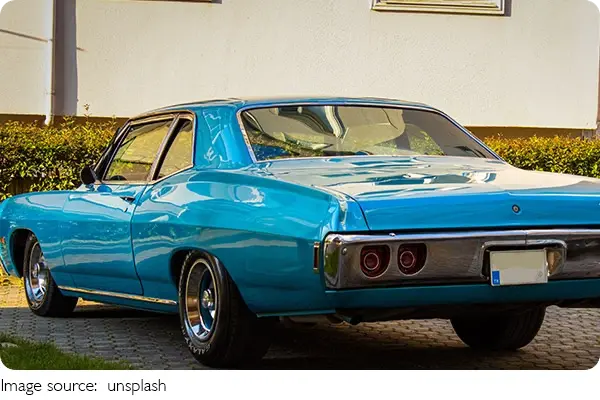
Why Manuals Are Less Common
Manual transmissions have become less common for a few practical reasons. They can be harder to learn, less convenient in heavy traffic, and not always as efficient as the best modern automatics. As automatic technology improved, more drivers chose convenience. Manufacturers followed that shift in demand, especially in performance models where faster acceleration became a selling point. There is also the simple fact that many newer systems are designed to work seamlessly with electronic controls and advanced powertrains. Automatic gearboxes fit neatly into that world. Manuals, while beloved by enthusiasts, are more like a cherished old recipe in a kitchen full of smart appliances. Wonderful, memorable, but no longer the default choice.
The manual vs. automatic debate ultimately isn't about right or wrong—it's about what makes you smile. If you find joy in the rhythm of shifting, the connection to the machine, and the satisfaction of a well-executed downshift, the manual will always have a place in your heart. If speed, ease, and precision matter more, the automatic is your ally. Both are valid, both are thrilling. The best gearbox is the one that makes every drive feel like an event worth remembering.