Why Weight Matters

Nora
| 24-10-2026
 · Automobile team
Hi, Readers! A sports car and extra weight go together like running shoes filled with sand. The car may still move, sure, but it has to work harder at every step. In performance car design, cutting weight is not just a neat engineering trick.
It changes how quickly the car accelerates, how eagerly it turns, and how calmly it slows down. Vehicle weight affects almost every part of driving because mass resists changes in motion. In plain words, the heavier the car, the more effort it takes to get it going, change direction, or bring it to a stop.
Acceleration Starts Here
When engineers talk about acceleration, weight is one of the first puzzle pieces on the table. A lighter sports car needs less force to gain speed, so the same engine can deliver stronger real-world performance. This is why two cars with similar power can feel completely different if one carries much less mass. The lighter one often feels more eager and lively, as if it had a double espresso before leaving the driveway. Weight also affects the power-to-weight ratio, which is one of the clearest ways to judge straight-line performance. Lower mass improves that ratio, helping the car respond faster when the driver presses the pedal.
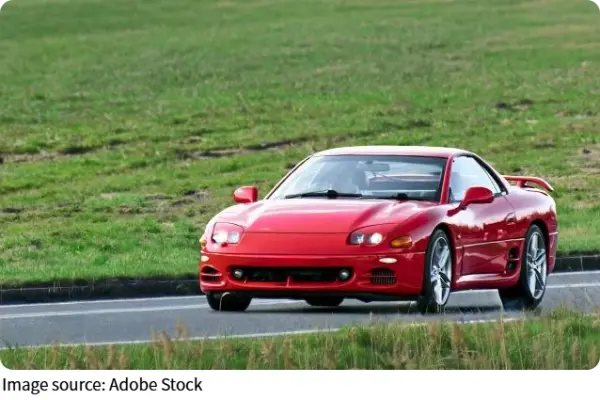
Handling Gets Sharper
Weight does not only matter in a straight line. It also plays a huge role when the road starts twisting like a dropped charger cable. A lighter car generally changes direction more easily because there is less mass resisting the turn. That can make steering feel quicker and more precise. Drivers often describe lightweight sports cars as playful or agile, and that is not just romance talking. Lower weight can reduce the load placed on the tires during cornering, which helps them do their job more effectively. The result is often a car that feels more balanced and more willing to follow the driver's inputs.
Braking Loves Less Mass
Braking is where weight becomes impossible to ignore. More mass means more energy has to be managed when the car slows down. A heavier sports car asks more from its brakes and tires, which can increase stopping distances and put extra heat into the braking system. A lighter car, on the other hand, usually needs less effort to stop from the same speed. That can improve both braking performance and consistency. In performance driving, that matters a lot, because confidence under braking is like having a reliable umbrella when the clouds roll in. You may not think about it every second, but you are very glad it works when needed.
More Than Just One Number
Not all weight affects a sports car in the same way. Engineers care about total mass, but they also pay attention to where that weight sits. Weight distribution can influence balance during acceleration, cornering, and braking. Reducing mass high up in the car can also help stability by lowering the center of mass. In simple terms, trimming weight in smart places can make a car feel less clumsy and more planted. This is why lightweight materials and careful packaging matter so much in sports car design. It is not only about making the number on the spec sheet smaller. It is about making the whole car feel more connected and responsive.
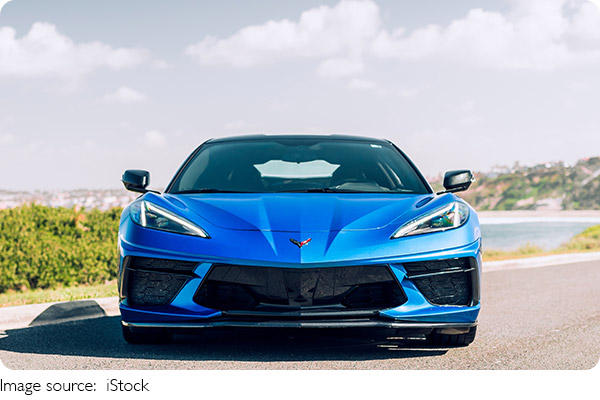
The Trade-Off Game
Of course, lightweight design is not magic fairy dust. Cutting mass can raise costs, especially when special materials or more complex engineering are involved. Carmakers also have to balance weight reduction with comfort, safety, and durability. A sports car cannot be all feathers and no structure. So designers often make careful choices about where weight savings bring the biggest performance gains. That balancing act is part science, part art, and part very expensive headache.
In the end, vehicle weight shapes acceleration, handling, and braking in ways drivers can feel immediately. A lighter sports car usually feels quicker, sharper, and more confidence-inspiring because it asks less of its engine, tires, and brakes. If you are comparing performance cars, do not just stare at horsepower like it is the only star of the show. Weight is quietly running the backstage crew, and without it, the whole performance changes.