The Digital Dashboard

Yuna
| 13-08-2026
 · Automobile team
Step into a modern car and the traditional dashboard no longer feels like a collection of separate instruments.
The familiar arrangement of gauges, switches, and dials is increasingly being replaced by screens, software, and integrated controls.
This transformation is not simply a styling trend. It reflects a fundamental change in how vehicle information is presented and managed. A digital dashboard turns the instrument area from a fixed control panel into a responsive display that can adapt to different driving situations and driver preferences.
What a Digital Dashboard Is
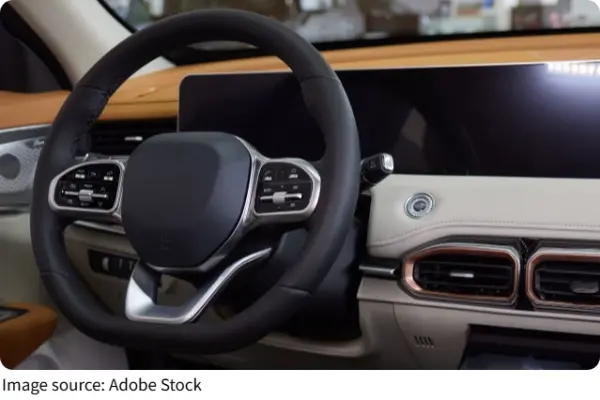
A digital dashboard is an electronic display system that presents vehicle information through a screen rather than relying solely on mechanical gauges. It can show speed, fuel level, navigation guidance, warning messages, media controls, and other driving data within a single interface.
Unlike traditional instrument clusters, which use dedicated dials and fixed indicators, a digital display can change its layout according to driving conditions or user settings. This allows the most relevant information to remain prominent while less important details stay in the background.
Why Traditional Instrument Clusters Are Being Replaced
Conventional dashboards were designed around physical components, with each function requiring its own space. As vehicles gained navigation, phone connectivity, parking assistance, driver-support features, and advanced media systems, the instrument panel became increasingly crowded.
Digital displays solve this problem by allowing one screen to perform multiple roles. Instead of adding more buttons and gauges, manufacturers can organize information through software. This approach uses space more efficiently and creates a cleaner, more modern cabin layout.
Flexibility is another major advantage. Drivers can often choose different display themes and prioritize the information they use most frequently, such as navigation, efficiency data, or media details.
How the Driving Interface Has Changed
The shift to a digital cabin changes the way drivers interact with the vehicle. Information that was once spread across several locations can now be grouped together in a clearer and more coherent layout.
Navigation prompts may appear beside speed information, warning messages can become larger and easier to notice, and the display can adjust to different driving modes. Software helps determine not only what is shown, but also when and how it is presented.
This creates a more centralized interface that reduces the need to search across multiple controls and indicators.
A Connected Cabin
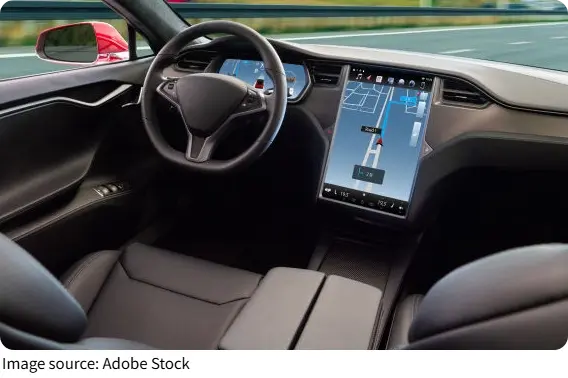
Modern digital dashboards are increasingly integrated with the vehicle’s other displays. The instrument cluster, central infotainment screen, and additional displays can work together as a connected system rather than functioning as separate components.
Information can move between screens, creating a more unified user experience. This integration supports features such as turn-by-turn navigation in the instrument cluster, synchronized media controls, and coordinated alerts across the cabin.
What Digital Dashboards Make Possible
Digital dashboards enable a level of customization that traditional clusters cannot provide. They can emphasize different information for different driving situations, reduce visual clutter, and support richer graphics and clearer notifications.
They are also better suited to handling the large amount of data generated by modern vehicle technologies. As cars become more connected and feature-rich, software-based displays provide a practical way to organize and present that information.
From a design perspective, replacing many dedicated physical components with screens can simplify the dashboard and create a more refined interior appearance.
The Dashboard Is Evolving
The decline of the traditional instrument panel reflects a broader transition from hardware-centered design to software-centered design. Drivers increasingly expect personalization, integrated navigation, clearer alerts, and smoother control of vehicle functions.
The modern dashboard is becoming more than a collection of instruments. It is evolving into a responsive digital hub that delivers greater flexibility, better organization, and a more intuitive driving experience.