SUV Ground Clearance

Liam Reilly
| 17-08-2026
 · Automobile team
Hi, Readers! SUV ground clearance sounds like one of those spec-sheet numbers people nod at like they totally get it, then quietly move on.
But this measurement is not just showroom decoration. It plays a real role in how well an SUV handles rough roads, deep ruts, rocky paths, and uneven ground.
Think of it like wearing sneakers through a rainy field. If the soles are too thin, every bump and puddle becomes personal.
Ground clearance is the distance between the lowest part of the vehicle and the ground. On many SUVs, that lowest point may be a suspension part, a skid area, or a component tucked under the middle. More clearance usually means a better chance of getting over obstacles without scraping the underside. But that number alone does not tell the whole story, because off-road ability is more like a three-legged stool. Remove one leg, and the whole thing starts wobbling.
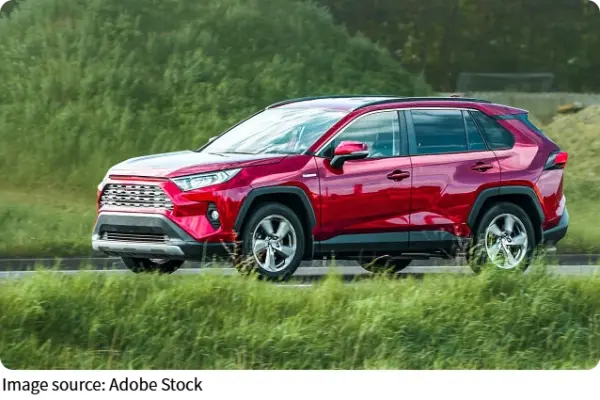
Ground clearance basics
A higher-riding SUV can pass over taller obstacles and deeper uneven surfaces with less risk of getting hung up underneath. This matters when driving on dirt tracks, rocky terrain, washed-out roads, or trails with ridges down the center. If the underside touches the ground, the vehicle can lose momentum or get stuck. So yes, ground clearance matters, and it matters a lot.
Still, the listed clearance figure can be a little sneaky. Carmakers may measure it differently depending on the model and the part they choose as the lowest point. Real-world clearance can also change when the vehicle is loaded with people and cargo, because extra weight compresses the suspension and lowers the body closer to the ground. In plain terms, that camping gear in the back can quietly eat into your safety margin.
It is not just about height
A tall SUV is not automatically a trail hero. Approach angle, breakover angle, and departure angle are just as important. These three measurements explain whether the SUV can get onto, over, and off an obstacle without scraping its front, middle, or rear.
The approach angle shows how steep an obstacle the vehicle can climb before the front end touches. The departure angle does the same for the rear when coming down or leaving an obstacle. The breakover angle covers the middle of the vehicle. It tells you whether the center underside can clear the crest of a hill or a raised mound without getting caught. A vehicle can have decent ground clearance but still struggle if it has long overhangs or a long wheelbase. That is like wearing tall rain boots but tripping on your own coat.
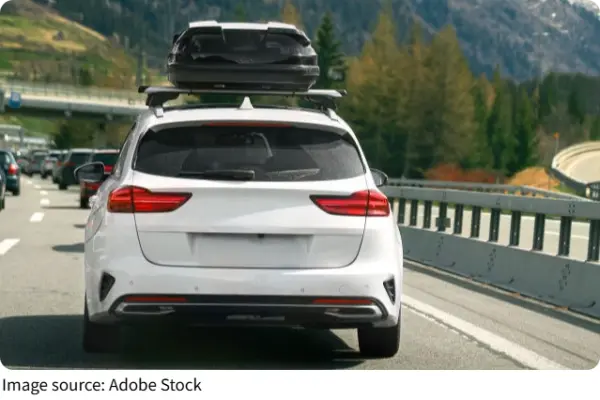
Wheelbase and overhang matter
Wheelbase is the distance between the front and rear wheels. A longer wheelbase often makes the ride smoother on regular roads, but it can hurt breakover ability off-road. When the distance between the wheels grows, the middle of the vehicle is more likely to scrape on a sharp rise. Overhangs matter too. If the front or rear sticks out too far, those ends can meet the ground before the tires finish the job.
This is why some smaller SUVs or more purpose-built models perform better off pavement than larger ones with flashy styling. The body shape, the underside layout, and how the wheels are positioned all affect whether the vehicle glides over an obstacle or awkwardly drags itself across it like a suitcase with one broken wheel.
Tires, suspension, and real use
Tires can slightly change effective clearance, and suspension design also plays a huge role in capability. Some SUVs use adjustable air suspension that can raise the vehicle for rough conditions and lower it for easier entry or better road manners. That flexibility is helpful, but drivers still need to remember that clearance changes with mode, load, and terrain.
Another key point is that maximum clearance does not mean carefree driving. Off-road surfaces are unpredictable, and picking the right line matters. Even a capable SUV can scrape if it approaches obstacles at the wrong angle or moves too quickly. Clearance gives breathing room, not magic powers.
Why this matters when choosing an SUV
If an SUV will spend most of its life on city streets, huge ground clearance may not be necessary. But if the plan includes rough tracks, mountain routes, trailheads, or unpaved rural roads, clearance becomes much more important. Buyers should look at the full picture, not just one number. Ground clearance, approach angle, departure angle, breakover angle, wheelbase, tire setup, and suspension design all work together.
So when you compare SUVs, do not let one bold number steal the spotlight like an overexcited lead singer. Ground clearance is important, but true passing ability depends on how the whole vehicle is shaped and set up. Check the underside specs, think about where you will actually drive, and choose the SUV that fits your roads instead of just looking tough in a parking space.