Electric Speed Shift

Arjun
| 17-08-2026
 · Automobile team
Hi, Readers! Sports cars used to be all about noise, heat, and high-rev drama. Now electrification is rearranging the whole stage. Hybrid systems and full-electric setups are changing how performance cars accelerate, corner, cool themselves, and even how they look.
The mission is still the same: go fast, feel sharp, make drivers grin like they just found extra fries at the bottom of the bag. But the toolbox has changed in a big way.
A traditional sports car is built around agile handling, quick acceleration, and a design that favors performance over pure practicality. That basic recipe still matters. What has changed is the source of the punch. Hybrid systems combine an internal combustion engine with one or more electric motors. That means instant torque can arrive right from the start, filling in gaps where a gas engine might need revs to wake up. Full-electric performance cars go even further, delivering strong, immediate acceleration with no waiting around. It is the mechanical version of a cheetah that skipped the warm-up lap.
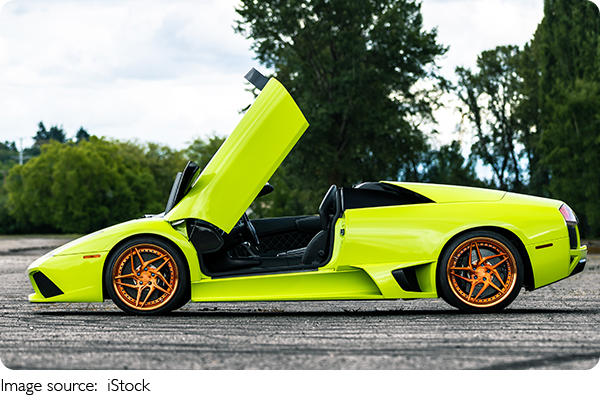
Hybrids Add Extra Muscle
Hybrid performance cars have become a bridge between familiar engineering and a more electric future. In a sports car, electric motors can support the engine during acceleration, improve traction, and sometimes power the front or rear axle independently. This creates new ways to manage grip and balance. Instead of relying only on gears and engine speed, the car can use software and electric assistance to sharpen response. The result can be quicker launches, smoother power delivery, and more flexibility in how performance is tuned.
There is also an efficiency angle, though in performance cars that is usually the side dish, not the main plate. Regenerative braking lets the car recover some energy while slowing down and send it back to the battery. In some hybrid setups, that recovered energy can then be used for short bursts of extra power. For drivers, this can make the car feel more alert coming out of corners and less dependent on keeping the engine in a narrow sweet spot.
Full-Electric Changes the Recipe
Pure electric performance cars rewrite several old rules. Electric motors produce peak pulling power right away, so acceleration can feel startlingly smooth and instant. No climbing revs, no waiting, just a clean shove forward like a giant invisible hand decided you were late. This has helped electric performance cars become serious rivals in straight-line speed.
Battery placement changes the chassis too. Since battery packs are usually mounted low in the vehicle, the center of gravity can drop, which helps stability and cornering. Weight distribution can also be improved, depending on the design. But batteries are heavy, and that creates a balancing act. Engineers have to keep the car nimble while carrying a large energy pack. That affects suspension tuning, tire choice, cooling needs, and braking systems. In other words, building an electric sports car is not as simple as swapping one machine for another and calling it a day.
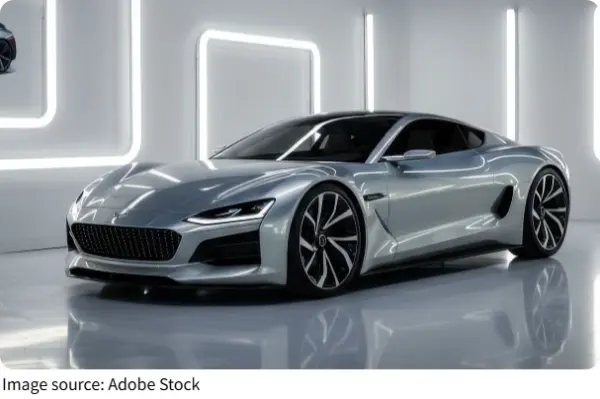
Design, Sound, and Driving Feel
Electrification changes the emotional side of performance too. Sports cars have long been tied to engine sound, gear changes, and a rising wave of mechanical drama. Electric cars are quieter and more linear, which some drivers love and others miss. So designers are paying more attention to steering feel, throttle calibration, chassis balance, and even synthetic sound to create excitement in new ways.
Aerodynamics and cooling have become even more important. High-performance electric systems and batteries generate heat, especially under repeated hard driving. That pushes engineers to rethink air channels, body shapes, and thermal management. The outside may still look sleek and dramatic, but underneath, the priorities are shifting. Less focus on feeding a roaring engine, more focus on keeping motors, batteries, and electronics working at their best.
A New Kind of Performance
The interesting part is that electrification does not erase the sports car idea. It stretches it. Performance is no longer measured only by engine size, gear count, or exhaust note. Now it also includes software control, torque management, battery efficiency, and how well a car can deliver repeatable speed without fading. Hybrid and electric systems are opening fresh possibilities for all-wheel-drive layouts, precise power distribution, and new packaging solutions that would have seemed unusual in older designs.
If there is one takeaway, it is this: electrification is not putting performance cars out to pasture. It is giving them a new playbook. Hybrids blend instant electric response with familiar engine character, while full-electric machines bring a different kind of thrill built on speed, balance, and smart engineering. The badge may look familiar, but under the skin, the sports car is learning new tricks, and honestly, it is pulling them off with style.