Smooth Downhill Control

Maya
| 17-08-2026
 · Automobile team
A downhill ride can quickly change from a relaxed cruise into a fast-moving section of road. As the slope increases, our bicycle naturally gains speed, giving us less time to react to corners, uneven surfaces, and unexpected obstacles.
We can stay more comfortable by controlling our pace early and making smooth adjustments before the road becomes challenging. With the right braking technique, body position, and attention to the road ahead, we can make each descent feel steady and controlled.
Slow Down Early
We can begin reducing speed before the slope becomes steep or before reaching a corner. Gentle braking gives us more time to choose a suitable line and keeps the bicycle easier to manage. We can squeeze the brake levers gradually instead of pulling them suddenly.
Before entering a sharp turn, it is helpful to complete most of the speed reduction. Once we are already turning, heavy braking can affect stability. By slowing down in advance, we can enter the bend at a pace that feels comfortable and leave more room for adjustment.
Use Both Brakes
We should understand how the front and rear brakes work together. During downhill braking, our weight naturally shifts forward, so the front brake can provide strong slowing power. The rear brake also helps control speed, but it should be used with a lighter and smoother touch.
We can gently apply both brakes and adjust the pressure according to the surface. If the rear wheel feels light or begins to lose grip, we can ease the rear brake. If the front brake is pulled too sharply, the bicycle can also become harder to control. Smooth pressure gives us better balance.
Keep A Stable Position
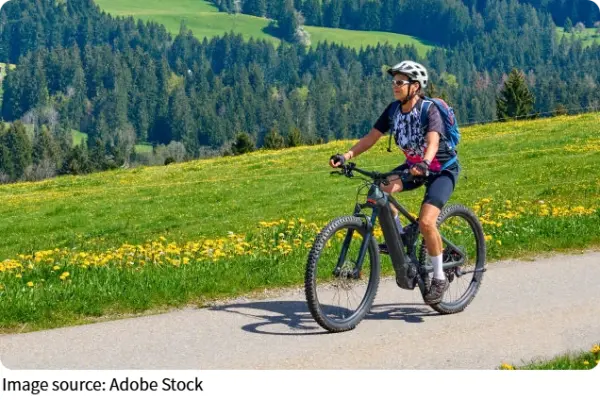
Our body position plays an important role during a descent. We can keep our hands secure on the handlebar, bend our elbows slightly, and lower the upper body a little. This relaxed position helps us respond to bumps and changes in direction.
We can keep the pedals level when approaching a corner. This gives our feet a stable platform and reduces the chance of a pedal touching the road. At the same time, we should look several meters ahead instead of focusing only on the front wheel.
Choose A Safe Line
A good downhill route starts with careful observation. Before entering a section, we can look for loose gravel, wet areas, potholes, painted markings, leaves, and uneven surfaces. These conditions can affect tire grip and change how the bicycle responds.
When approaching a bend, we can reduce speed first and then follow a smooth line. We should stay within our lane and avoid sudden changes in direction. When visibility is limited, looking farther ahead gives us more time to react to vehicles, cyclists, or changes in the road.
Manage Steep Slopes
On a steep slope, speed can increase quickly. We can stay ahead of this change by applying light braking before the bicycle becomes difficult to manage. Short, controlled braking adjustments can help us maintain a comfortable pace.
On a long descent, holding the brake levers firmly for an extended period can increase heat in the braking system. Instead, we can manage speed in stages when the road allows it. If braking performance changes or unusual sounds appear, we can slow down and check the bicycle before continuing.
Adjust For Wet Roads
Wet surfaces require extra care because available grip can be reduced. We can lower our speed before corners and leave more space for braking. Sudden steering movements should also be avoided.
Painted road lines, metal covers, leaves, and other smooth surfaces may feel different when wet. We can cross these areas with a steady handlebar and gentle control. Looking ahead helps us identify these sections before we reach them.
Stay Calm And Practice
Unexpected conditions can appear quickly, such as rain, rough pavement, or an obstacle ahead. When this happens, staying calm helps us make better decisions. We can reduce speed first, look toward a clear path, and make one controlled movement at a time.
We can practice these skills on a gentle slope before trying a longer descent. Practicing gradual braking, balanced positioning, and smooth corner entry helps our movements become more natural. There is no need to chase higher speeds; better control is the real goal.
Ride With Confidence
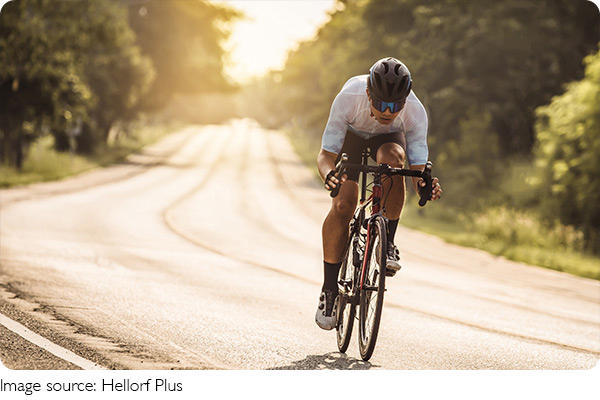
Lykkers, downhill riding is not simply about going fast. It is about knowing how to control our pace before the road demands a quick decision. When we slow down early, use both brakes smoothly, maintain a stable position, choose a clear line, and adjust to road conditions, every descent can feel more controlled.
Next time we reach a downhill section, let's ask ourselves: Can we control our speed before we need to? A small change in timing and technique can make the entire ride smoother, calmer, and more enjoyable.
How To Descend Like A Professional Cyclist | Ride Downhill Faster & Safer
Video by Global Cycling Network