Tire Size Matters

Caroll Alvarado
| 14-08-2026
 · Automobile team
Have you ever looked at a sports car and wondered why its tires look so wide and low? Those numbers on the sidewall are about more than appearance. Tire width, sidewall height, and wheel diameter can change how a vehicle grips, turns, slows down, and handles uneven pavement.
For a performance car, the best setup comes from balance. A wider tire can improve traction, while a shorter sidewall can make steering feel quicker. A larger wheel can create a stable feel, yet it may also make the ride firmer. Let’s see how each measurement affects the drive.
Wider Tires Add Grip
We can think of wider tires as giving a sports car a larger footprint. More rubber sits across the road, which can help the vehicle maintain traction during acceleration, braking, and cornering. This can be useful when we enter a bend and want the car to follow our steering input smoothly.
On dry pavement, an appropriate wider setup can support strong cornering ability. During braking, a suitable tire can also provide a steady contact area, helping the car slow down in a controlled way.
However, extra width can increase rolling resistance. If we choose a much wider size, energy use may increase and steering may feel heavier at low speeds.
Low Profiles Feel Sharper
The aspect ratio describes the sidewall height compared with tire width. A low-profile tire has a shorter sidewall, leaving less room for the side section to flex.
For us as drivers, this can create a more direct steering response. When we turn the wheel, there is less sidewall movement before the tire reacts. We can feel more connected to the road, especially during quick direction changes.
This design can help a sports car feel more precise through corners. Reduced sidewall movement can also provide clearer road feedback, making an engaging drive more enjoyable.
Large Wheels Change The Feel
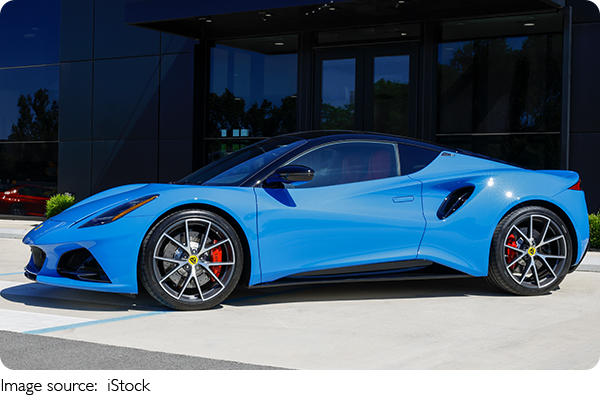
Larger wheels are often paired with wider tires and shorter sidewalls. Besides creating a sporty appearance, this combination can influence how the car behaves.
With a suitable tire, a larger wheel can contribute to a planted feel during faster driving and direction changes. The shorter sidewall flexes less, so steering inputs can feel more consistent.
Still, wheel diameter alone does not determine performance. Tire construction, suspension tuning, vehicle weight, wheel width, and alignment all work together. A larger wheel is not automatically the best choice for every road.
Comfort Can Decrease
The sidewall also helps cushion the ride. A taller sidewall can absorb more of the small impacts created by rough pavement and uneven surfaces. When we use a very short sidewall, more of those impacts can reach the cabin.
On smooth roads, the difference may be easy to accept. On rough streets, the ride can feel noticeably firmer. Strong impacts can also place greater stress on the wheel and tire, especially when a large wheel is paired with a short sidewall.
This is why we should think about our usual roads before choosing a larger setup.
Efficiency And Acceleration
Tire dimensions can influence efficiency and acceleration. Wider tires can create more rolling resistance, while heavier wheels add rotating mass. When we increase wheel diameter and tire width together, the vehicle may need more energy to get moving.
The result depends on the complete setup. A lighter wheel with a well-matched tire can sometimes provide a better balance than simply choosing a larger diameter.
Choose The Balanced Setup
The right size depends on what we want from our sports car. If we value quick steering and strong cornering, a suitable wider, lower-profile tire can be appealing. If we spend more time on uneven roads, more sidewall can provide better cushioning and impact protection.
We should also follow the vehicle maker’s recommended dimensions, load rating, and pressure range. Instead of selecting a size only because it looks impressive, we can consider grip, steering response, braking, efficiency, ride quality, and road conditions together.
Enjoy The Drive
Lykkers, tire size is far more than a styling detail. Width can influence traction, aspect ratio can change steering response, and wheel diameter can affect comfort and driving feel. Each choice brings a different balance.
When we understand these differences, we can make a smarter decision and create a setup that suits both the car and the roads we use. The ideal tire is not simply the largest one. It is the one that helps us enjoy confident, controlled, and comfortable driving. What tire setup would you choose for your ideal sports car?
How wheel size affect the Acceleration
Video by Untangle Club