Smart Parking Habits

Antonio
| 12-08-2026
 · Automobile team
Parking is a routine part of driving, but careful habits can make a noticeable difference to vehicle protection, safety, and convenience.
Selecting an appropriate space, controlling the vehicle carefully, and checking the surroundings can help create a smoother parking experience.
A few extra seconds of attention can also make shared parking areas more comfortable for everyone.
Choose the Right Space
Select a clearly marked parking space with enough room for your vehicle. Consider the position of nearby cars, pillars, walls, corners, and pedestrian areas before entering.
Avoid spaces that create unnecessary difficulty when safer, more accessible options are available. Parking completely within the markings also gives neighboring vehicles adequate room and keeps access areas clear.
Approach Slowly and Carefully
Reduce your speed before entering a parking space and remain alert to your surroundings. Check for pedestrians, cyclists, vehicles, barriers, and other obstacles.
Mirrors, parking sensors, and cameras can provide valuable assistance, but they should support careful observation rather than replace it. Use them together with a direct visual check whenever possible.
Center the Vehicle
After entering the space, check your position relative to the lines. If the vehicle is noticeably closer to one side, make a controlled adjustment.
A well-positioned car provides better access for neighboring vehicles and reduces the chance of doors, mirrors, or body panels coming into contact.

Consider What Is Around and Above You
The parking space itself is only part of the picture. Look for low branches, overhead structures, pillars, uneven surfaces, shopping carts, and areas with heavy foot traffic.
A shaded location can be useful, but spaces beneath trees may expose the vehicle to sap, falling debris, or bird droppings. When several spaces are available, consider the overall condition of each location rather than choosing based on shade alone.
Secure the Vehicle
Before leaving, check that the doors are locked and the windows are closed. Keep valuable belongings out of sight and avoid leaving unnecessary items where they are easily visible.
When possible, choose a well-maintained area with good visibility. A quick final inspection can help ensure everything is secure before you walk away.
Read the Signs and Markings
Always check parking signs, road markings, designated spaces, restrictions, and payment requirements before leaving the vehicle.
Rules can differ between parking areas, so do not assume that an apparently available space can always be used. Following the posted requirements helps keep parking organized and avoids unnecessary enforcement issues.
Respect Other Drivers
Good parking includes consideration for everyone using the area. Stay within your designated space, avoid occupying multiple spaces, and leave sufficient room for neighboring vehicles.
If your first attempt leaves the car poorly positioned, take a moment to readjust. A precise maneuver is preferable to leaving the vehicle at an awkward angle.
Check Before Driving Away
Before moving out, scan the area for pedestrians, cyclists, approaching vehicles, and obstacles. Take extra care when reversing because smaller objects and people can be difficult to see from the driver's position.
Move gradually and be prepared to stop if your view is limited. Good awareness is especially important in busy parking areas.
Turn Good Parking Into a Daily Habit
Effective parking combines vehicle control, awareness, and consideration for others. Choosing a suitable space and positioning the car carefully can help protect the vehicle while keeping shared areas easier to navigate.
These habits require little extra time, making them practical for everyday driving. Consistency is what turns careful parking into a reliable part of responsible vehicle ownership.
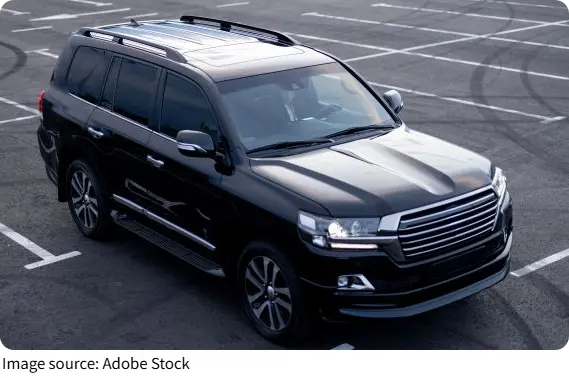
Smart parking is simple: choose a suitable space, approach slowly, stay within the markings, consider the surroundings, secure the vehicle, and check carefully before moving. These straightforward habits can improve convenience, protect your car, and make parking safer and more considerate for everyone.