How Long Do Tires Last?

Ethan Sullivan
| 12-08-2026
 · Automobile team
Tires are one of the most important safety components of a vehicle. They provide grip, support the vehicle’s weight, help with braking, and maintain stability in both dry and wet conditions.
Because they are the only part of the car that touches the road, their condition has a direct effect on safety, comfort, and efficiency.
There is no single lifespan that applies to every tire. Tire life depends on tread depth, age, driving habits, road conditions, climate, and maintenance. The safest approach is to inspect tires regularly and replace them when wear, aging, or damage begins to affect performance.
Tread Depth Is the Main Indicator
Tread is responsible for maintaining traction and helping the tire channel water away from the road surface. As the tread becomes shallower, grip decreases, especially in wet conditions.
Most tires have built-in tread wear indicators inside the grooves. When the tread reaches the same height as these indicators, the tire should be replaced. A tread depth gauge provides a more accurate measurement than a quick visual check.
Uneven wear is also important. Excessive wear on one side, in the center, or in patches may indicate incorrect tire pressure, wheel alignment problems, or suspension issues.

Tire Age Also Matters
A tire can still have acceptable tread and yet no longer be in ideal condition because of age. Heat, sunlight, oxygen, and normal use gradually affect the rubber over time.
Manufacturers generally recommend regular inspections as tires become older, even if they appear to be in good condition. The exact timing varies by manufacturer and operating conditions, so it is best to follow the vehicle manual and tire manufacturer’s recommendations.
Check for Visible Damage
Tires should be replaced if they show cracks, cuts, bulges, punctures that cannot be properly repaired, or repeated air loss.
A sidewall bulge is especially important because it may indicate internal structural damage. Tires that have been driven for a long distance while underinflated can also suffer damage that is not immediately visible from the outside.
Driving Habits Affect Tire Life
Frequent hard braking, rapid acceleration, sharp cornering, heavy loads, and rough roads can all increase tire wear. High temperatures may accelerate tire aging, while large seasonal temperature changes can place additional stress on the rubber.
Proper maintenance helps tires last longer. Maintaining the correct tire pressure, rotating tires regularly, checking wheel alignment, and balancing the tires when necessary all help promote even wear and better performance.
When Should You Replace Tires?
Tires should be replaced when:
- Tread reaches the wear indicators
- Wear becomes uneven and cannot be corrected
- Cracks, bulges, or other damage appear
- Air pressure cannot be maintained
- Age becomes a concern according to manufacturer guidance
If you notice vibration, reduced grip, unusual wear patterns, or frequent pressure loss, the tires should be inspected by a qualified professional.
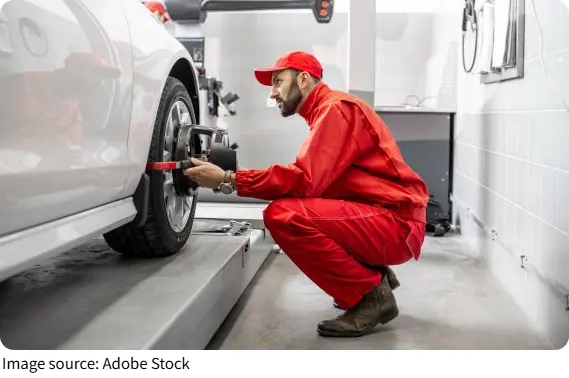
Tire replacement should be based on condition rather than a fixed number of years or kilometers. Regular inspections of tread depth, tire pressure, age, and visible damage provide the most reliable indication of when replacement is necessary.
Well-maintained tires improve braking, handling, stability, comfort, and efficiency. Taking a few minutes to check them regularly is one of the simplest and most effective ways to keep a vehicle safe and performing at its best.