Top Fuel Sippers

Chris Isidore
| 12-08-2026
 · Automobile team
Hi, Readers! If fuel costs make your wallet feel like a leaky bucket, the good news is that some cars are absolute champions at stretching every gallon.
When people talk about the most fuel-efficient vehicles, the usual stars of the show are lightweight hybrids, plug-in hybrids used wisely, and fully electric cars. The basic idea is simple: the less energy a car needs to move, the less money you spend keeping it rolling down the road.
What "most fuel-efficient" really means
Fuel economy is usually measured by how far a vehicle can travel using a set amount of energy. For gasoline cars, that often means miles per gallon. For electric models, efficiency is measured differently, but the goal is the same: get more distance from less energy. Cars that score well usually share a few habits, like tiny appetites for energy, clever aerodynamics, lower weight, and systems that avoid wasting power when the car stops and starts in traffic.
The usual winners on the list
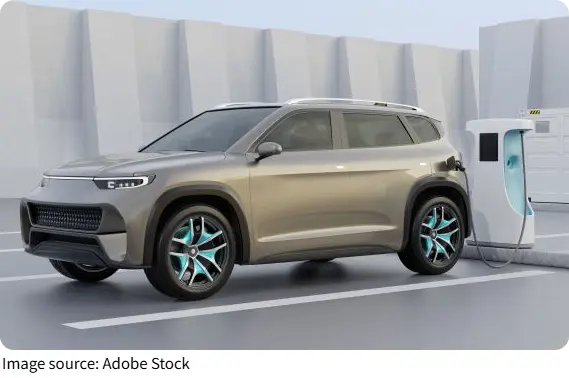
If you line up vehicle types by efficiency, fully electric cars usually sit at the top. They convert a very large share of stored energy into movement, while traditional gasoline cars lose a big chunk as heat. Right behind them, plug-in hybrids can do very well, especially when daily trips are short and the battery is regularly charged. Standard hybrids are also strong performers because they blend an engine with electric assistance, especially in stop-and-go city driving where regenerative braking helps recover energy that would otherwise drift away.
Why small cars often sip less
Smaller vehicles tend to use less energy because they weigh less and push less air aside. It is the automotive version of carrying a backpack instead of hauling a stuffed suitcase up three flights of stairs. A compact car with an efficient powertrain often beats a larger model simply because it has less work to do every minute it is moving. Tire choice, vehicle height, and overall shape also matter more than many drivers expect.
Driving style changes the ranking
This is where the leaderboard gets a little sneaky. A very efficient car can still use more fuel than expected if it is driven aggressively, overloaded, or rushed along at high speed all the time. Smooth acceleration, steady speeds, and good maintenance help a lot. Short trips can also reduce efficiency in conventional cars because the engine may not reach its best operating condition. Hybrids and electric cars often shine in city use, while some efficient gasoline models do better on longer highway runs.
Choosing the right fuel saver
The best option depends on how the car is used. If most trips are local and charging is easy, an electric car may be the strongest choice. If longer trips are common and charging is limited, a hybrid may be the more practical all-rounder. Plug-in hybrids sit in the middle like a clever roommate who brings both an umbrella and sunglasses. They can save a lot, but only if the battery side of the system is used regularly rather than ignored.
In the end, the most fuel-efficient vehicle is not just the one with the best number on paper. It is the one that matches your daily routine, road conditions, and energy access without turning life into a puzzle. If you are shopping for a car, compare official efficiency ratings, think honestly about your driving habits, and pick the model that saves fuel in the real world, not just in a brochure.