Worth Buying?

Nora
| 12-08-2026
 · Automobile team
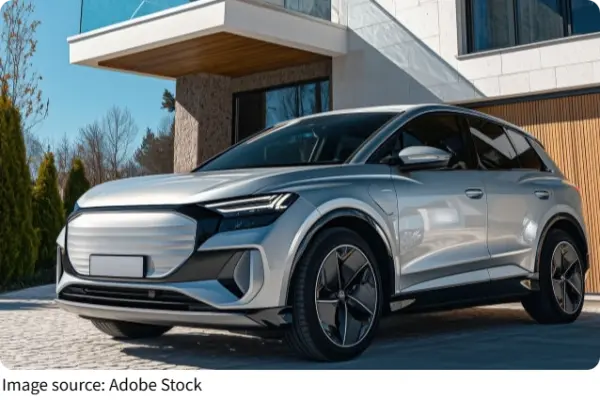
Hi, Readers! Crossovers are the automotive world’s mash-up act, like a hatchback and an SUV decided to share an apartment and split the rent.
They are built to blend the comfort and road manners of a regular passenger car with the taller seating position, flexible cargo space, and rugged styling many people like in sport utility vehicles. That mix is exactly why they have become such a big deal for everyday drivers.
What a crossover is
A crossover, often called a CUV, is usually built on a unibody platform, which means the body and frame are made as one structure. Traditional truck-based SUVs usually use body-on-frame construction. That difference matters more than it sounds. A unibody crossover tends to feel smoother, lighter, and easier to handle on normal roads. In plain language, it usually behaves more like a car in daily life, not like a giant toolbox rolling through traffic.

Why people like them
The big appeal is practicality without too much drama. Crossovers often give drivers a higher view of the road, easier entry and exit, and more cargo room than many sedans. Fold-flat rear seats also help with groceries, luggage, strollers, sports gear, and all the random life clutter that somehow multiplies overnight. Many buyers also like the styling because it looks adventurous, even if the wildest trip this week is just a run to the supermarket.
Where they shine
For commuting, family use, and weekend travel, crossovers make a lot of sense. They usually offer a comfortable ride, decent fuel efficiency compared with larger truck-based SUVs, and available all-wheel drive on many models. That makes them a strong middle-ground option for people who want versatility without stepping into something huge and cumbersome. They are often easier to park and easier to live with than larger utility vehicles too.
Where they fall short
Now for the fine print. A crossover is not automatically the right answer for everyone. If you need serious towing ability, heavy-duty off-road capability, or maximum ruggedness, a traditional body-on-frame SUV may still do the job better. Crossovers can also cost more than a comparable sedan while not always delivering a huge jump in interior room. In some cases, people buy one for the image and end up using only a fraction of what it offers, like buying hiking boots for a walk to the mailbox.
So, are they worth buying?
For many people, yes. If your real life includes school runs, shopping, commuting, occasional road trips, and the need for flexible cabin space, a crossover can be a very sensible choice. It offers a nice balance of comfort, utility, and ease of use. But if your priorities are lower cost, sharper efficiency, or specialized heavy-duty capability, another type of vehicle may fit better.
In the end, whether a crossover is worth buying comes down to matching the car to your actual lifestyle, not the fantasy version where every weekend turns into a mountain expedition. If you want a practical all-rounder that feels approachable and useful, a crossover is often a smart pick. If not, that is perfectly fine too. The best car is the one that fits your life like a well-worn pair of sneakers, not the one that just looks cool in the driveway.