Why Cars Got Bigger

Finnegan Flynn
| 18-08-2026
 · Automobile team
Hi, Readers! Cars have been on quite the growth spurt. What used to zip around as tidy little sneakers has turned into something closer to a rolling backpack stuffed for a long trip.
If you have ever parked next to an older compact model and then next to a modern SUV, the difference is hard to miss. This shift did not happen by accident. It came from changing buyer habits, family needs, road culture, and the simple fact that car companies tend to chase what sells best.
For a long time, smaller cars made plenty of sense. They were easier to park, easier on fuel costs, and often cheaper to buy. In crowded cities or for first-time drivers, they were the practical choice, like picking a small apartment that keeps life simple. But as incomes rose in many places and car ownership became tied more closely to comfort and status, people began wanting more than basic transportation. A car was no longer just a machine to get from one place to another. It became part family room, part storage closet, part mobile comfort zone.
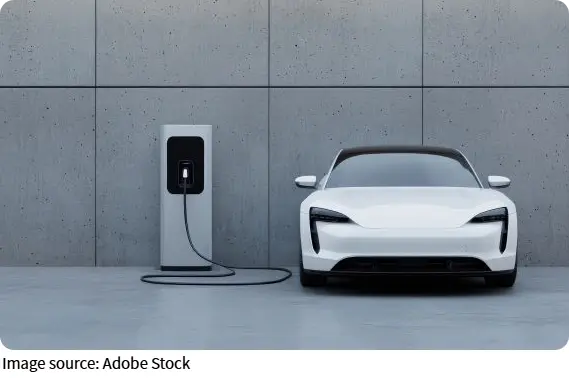
Why buyers wanted more space
One big reason vehicles grew is simple: people like room. More legroom, more cargo space, more cup holders, more space for children, groceries, sports gear, and all the little extras that seem to multiply the moment life gets busy. A larger vehicle feels more flexible. It can handle school drop-offs, road trips, weekend shopping, and unexpected errands without turning the cabin into a game of luggage Tetris. For many households, that versatility became very appealing.
There is also the comfort factor. Larger vehicles often offer higher seating positions, easier entry and exit, and a smoother feeling on the road. Many drivers like sitting up high because it gives them a better view ahead. It is a bit like choosing a chair at a cafe where you can see the whole room instead of staring at someone's backpack. That sense of command and comfort has become a major selling point, especially for SUVs.
How SUVs took center stage
SUVs gained popularity because they blended several things buyers wanted at once. They offered more space than small cars, a higher driving position, and styling that felt sturdy and confident. Some buyers did not need off-road capability at all, but they liked the image and practicality. Carmakers noticed this quickly. Once SUVs started selling in large numbers, brands expanded their lineups with more sizes, more trims, and more features. It was like seeing one pastry sell out at a bakery, then deciding to fill the whole front shelf with versions of it.
Profit also played a huge role. Larger vehicles, especially SUVs and crossovers, often bring in better margins for car companies than small cars. That gave manufacturers an extra reason to focus development, marketing, and showroom space on them. As more big models appeared, buyers had more choices in that category, which pushed demand even further. Small cars started to look like the quiet corner of the menu that fewer people ordered from.
Safety and regulations mattered too
Another part of the story involves safety expectations and vehicle standards. Modern cars include more protective structures, more technology, and more features than many older models. All of that can add size and weight. Buyers also tend to feel safer in a larger vehicle, whether that feeling matches every real-world detail or not. When people shop with family in mind, perceived safety can be a very powerful motivator.
Design rules and market strategies also encouraged larger models in many cases. Carmakers often found it easier to add features, meet customer expectations, and maintain strong profits with bigger platforms. Meanwhile, as roads and suburbs shaped daily life around longer drives and bigger parking spaces, large vehicles fit more naturally into how many people lived.
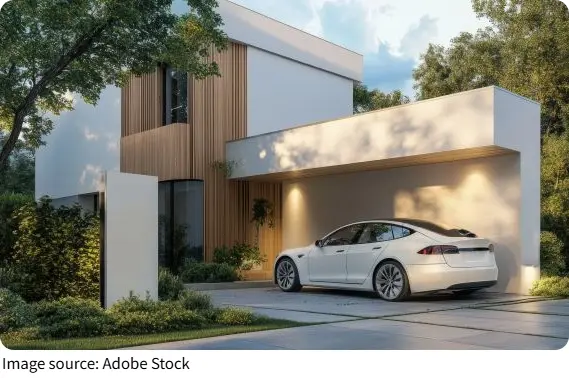
What changed in consumer thinking
The rise of larger vehicles reflects a deeper shift in what consumers expect from a car. People increasingly want one vehicle that can do everything well enough: commuting, family travel, shopping, carrying gear, and offering comfort every day. Instead of owning a tiny city car and a second larger vehicle, many buyers prefer one model that covers all bases. The SUV became the all-purpose shoe of the driveway.
Style also changed. Small cars were once seen as clever and efficient. Now, many shoppers lean toward vehicles that feel substantial and versatile. Carmakers responded by designing crossovers that look bold while still being easier to drive than traditional truck-like models. That sweet spot helped them win over buyers who wanted practicality without feeling like they were settling.
In the end, cars grew larger because people's priorities changed, and manufacturers were quick to follow the trail of demand. Buyers wanted space, comfort, versatility, and a reassuring view of the road, while brands saw stronger business in giving them exactly that. If this trend continues, the question may not be why cars got bigger, but what buyers will want next. Will convenience keep ruling the road, or will smaller models make a clever comeback?