Panoramic Roofs in Cars

Pankaj Singh
| 17-08-2026
 · Automobile team
A car roof traditionally served a simple purpose: protecting the passenger compartment from the outside environment.
Modern vehicle design has expanded that role by turning part of the roof into a large glass surface that can significantly change the cabin experience.
Panoramic roofs bring more natural light into the interior and provide passengers with a broader view of the sky. They can also contribute to a distinctive exterior appearance. Behind these visible benefits, however, is a complex engineering task involving thermal control, structural integration, weight, headroom, and interior packaging.
What Is a Panoramic Roof?
A sunroof is a roof-mounted panel or opening designed to provide additional light and, depending on the system, ventilation. It may tilt, slide, or remain fixed.
A panoramic roof is substantially larger than a conventional sunroof. It can use one large glass panel or several sections extending across a significant portion of the passenger compartment. Some designs cover the area above both front and rear seating positions.
The term panoramic refers primarily to the size and coverage of the glass. It does not necessarily mean that the roof can be opened.
Creating a Brighter Cabin
The most immediate benefit is natural illumination. Light entering from above can make the interior appear brighter and more spacious without increasing the cabin's physical dimensions.
This effect can be particularly noticeable in vehicles with high beltlines or relatively small side windows. The additional light helps create a more open visual environment.
When the glass extends toward the rear seats, passengers in the second row can also gain a wider view of the sky. This can make the entire passenger compartment feel less enclosed.
Integrating Glass Into Interior Design
A large roof opening can become an important element of the cabin's visual design. Natural light changes how surfaces, materials, textures, and trim appear throughout the day.
Many systems also include retractable shades. These allow occupants to control the amount of sunlight entering the cabin and provide greater flexibility in different conditions.
The result is a roof that contributes to both the appearance and functionality of the interior.
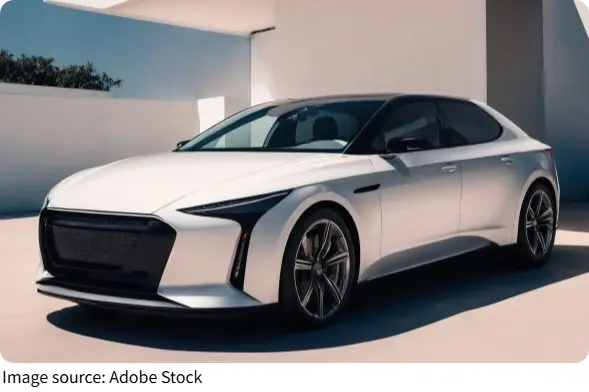
Ventilation When the Roof Opens
Not every panoramic roof provides ventilation. Fixed systems are designed primarily for light and visibility, while operable versions can tilt or slide open.
When opened, the roof can allow additional airflow through the upper part of the cabin. The actual effect depends on the vehicle's design, driving conditions, outside temperature, and airflow around the vehicle.
This distinction is important because a panoramic roof describes its size and coverage, not its operating function.
Managing Solar Heat
The large glass area also affects the cabin's thermal environment. Sunlight passing through the roof can increase interior heat, particularly during strong solar exposure.
To manage this, vehicle designers can use tinted glass, specialized coatings, and retractable shades. These features help control the amount of solar energy entering the cabin.
The climate-control system must also account for the roof's thermal characteristics. Effective integration is therefore essential for maintaining a comfortable interior.
Weight and Vehicle Dynamics
A panoramic roof is a complete assembly rather than a single piece of glass. Depending on the design, it can include structural frames, seals, motors, tracks, operating mechanisms, shades, and other components.
All of these parts contribute to vehicle mass. Because the roof is located high in the vehicle, engineers must consider its position as part of the overall mass-distribution strategy.
This is one reason panoramic roofs require careful integration during vehicle development. Designers must balance the feature's benefits with broader requirements for efficiency, structural performance, and vehicle dynamics.
Headroom and Packaging
The roof system also occupies valuable space within the vehicle structure. Glass panels, operating mechanisms, shades, reinforcement, insulation, and other components must fit within a limited area.
This can affect available headroom, although the impact varies considerably between vehicle designs.
For taller passengers, the most useful consideration is not the size of the roof from outside but the actual clearance available in the seating position.
Why Panoramic Roofs Stand Out
Few interior features change the visual character of a vehicle as immediately as a panoramic roof. It can brighten the cabin, expand the upward view, and create a stronger connection with the surrounding environment.
At the same time, the feature demonstrates the balance required in modern automotive design. A successful system must coordinate glass technology, thermal management, structural requirements, interior packaging, and operating mechanisms.
The appeal therefore comes from both what passengers see and how carefully the system is engineered.

The Bottom Line
Panoramic roofs have become an important element of modern vehicle design, combining natural light, wider views, and a more open cabin atmosphere. Their integration also requires careful attention to thermal management, weight, headroom, structure, and interior packaging.
Ultimately, the most effective panoramic roof is not the largest one, but the design that balances passenger comfort, visual openness, and engineering requirements within the vehicle as a whole.