Car Color and Resale Value

Maya
| 17-08-2026
 · Automobile team
Choosing a car color may seem like a purely personal decision, but it can also influence a vehicle’s position in the used-car market.
Exterior color shapes first impressions, affects buyer preferences, and can influence how easily a vehicle attracts attention when it is offered for resale.
Color is only one part of a vehicle’s overall value. Age, mileage, condition, equipment, maintenance history, and market demand all play important roles. Still, research has identified measurable differences in depreciation between exterior colors, making color a worthwhile consideration for buyers planning to own a vehicle for several years.
Color and Market Demand
A vehicle’s color can influence the number of potential buyers interested in it. A familiar shade may appeal to a broad audience, while a distinctive finish can attract shoppers with more specific preferences.
However, common colors do not automatically guarantee stronger resale performance. Research involving more than 1.2 million three-year-old used vehicles found meaningful differences in depreciation among exterior colors. Some less-common shades performed better than several widely used colors.
The key factor is therefore the relationship between supply and demand. A color can retain value when enough buyers want it, regardless of whether that shade is common or unusual.
The Power of First Impressions
Exterior color is one of the first characteristics a buyer notices. Before examining mileage, equipment, or maintenance records, shoppers often form an initial impression from the vehicle’s overall appearance.
Color can contribute to perceptions of elegance, simplicity, sportiness, or individuality. A restrained finish may give a vehicle a sophisticated appearance, while a distinctive shade can create a stronger visual identity.
These impressions do not determine a vehicle’s price, but they can influence whether a potential buyer chooses to investigate a particular vehicle further.
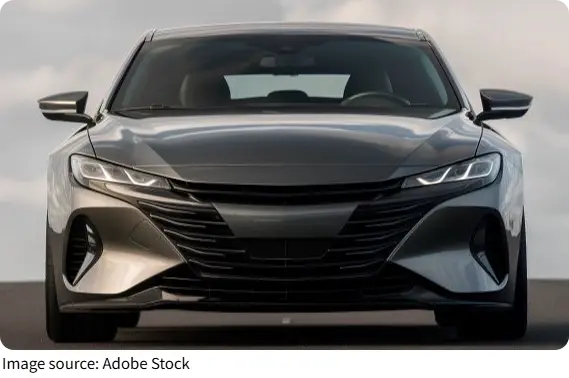
Everyday Appearance Matters
A vehicle’s color can also affect how its exterior looks between washes and throughout daily use. Dust, water marks, and minor surface imperfections can be more noticeable on some finishes than others.
This becomes relevant when a vehicle reaches the used market. A well-presented exterior can create a stronger first impression and encourage buyers to look more closely at the vehicle.
Color itself does not determine whether a vehicle has been properly maintained. Regular cleaning, careful paint care, and appropriate storage remain far more important to its overall appearance.
Climate and Exterior Temperature
Color can have a practical effect on surface temperature. Darker exterior surfaces generally absorb more solar radiation than lighter surfaces when exposed to direct sunlight.
This difference can influence how hot the exterior becomes during sunny conditions. However, it should not be treated as a direct predictor of resale value. It is simply another consideration when choosing a finish for everyday ownership.
For buyers who regularly park outdoors, factors such as parking conditions, climate, and vehicle protection may be more important than color alone.
When Unusual Colors Work
Distinctive colors are not automatically difficult to resell. Their success depends on whether the vehicle attracts enough buyers who appreciate that particular appearance.
A less-common shade can give a vehicle a stronger identity and help it stand apart from similar listings. When demand is healthy, that individuality can become an advantage rather than a limitation.
Research showing strong value retention for certain uncommon colors reinforces an important point: rarity does not necessarily reduce resale value. What matters is whether the market has sufficient demand for the combination of vehicle and color.
What Matters Beyond Color
Resale value is determined by a combination of factors. Vehicle condition, mileage, age, maintenance history, specification, equipment, and overall market demand can have a substantial influence on the final selling price.
A desirable color cannot compensate for poor upkeep, while an ordinary color does not prevent a well-maintained vehicle from remaining attractive to buyers.
For that reason, color should be considered alongside the complete ownership picture rather than treated as a financial guarantee.
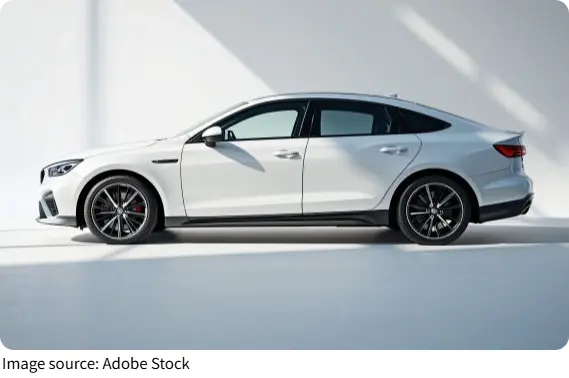
The Bottom Line
Car color can influence resale value by shaping buyer perception and market demand, but there is no single color that guarantees the strongest future price.
The best choice is one that balances personal preference with the likely appeal of the vehicle to future buyers. A familiar shade may provide broad visual appeal, while a distinctive finish can offer greater individuality.
Ultimately, condition, mileage, maintenance, specification, and market demand remain central to resale performance. Color is an important part of the vehicle’s presentation, but it works best as one element of a much larger value equation.