Why Bikes Love RPM

Elena Rossi
| 12-08-2026
 · Automobile team
Hi, Readers! Twist the throttle on a motorcycle and the engine does not just get louder, it starts behaving like a band finally finding the right rhythm.
Some bikes feel sleepy down low and then suddenly wake up as the revs climb. That is why so many motorcycle engines seem to enjoy running at high rpm.
The short version is simple: power depends heavily on engine speed, and motorcycles are built in ways that let them spin faster than many larger engines. When the revs rise, the engine gets more chances each minute to make power, and that changes both acceleration and the whole riding feel.
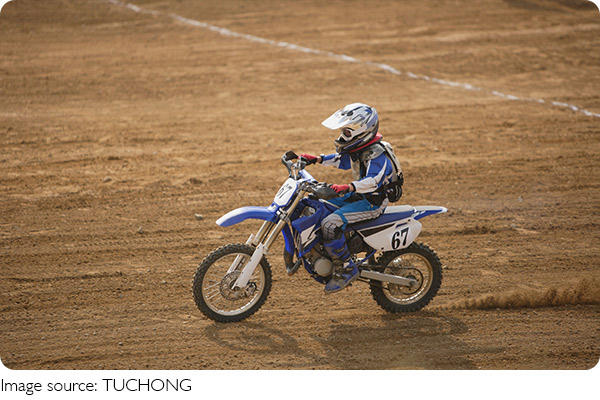
Why higher rpm helps
In plain terms, rpm means how many times the engine spins in one minute. Torque is the turning force, while power is how quickly that force is being used. A motorcycle engine often makes useful torque across a range, but power keeps building as rpm rises until it reaches the strongest part of the power band. Think of torque as how hard you push a merry go round, and power as how often you get to push it every minute. More spins can mean more power, as long as the engine can still breathe well and keep fuel and air flowing properly.
Motorcycle engines often have small, light internal parts compared with larger vehicle engines. That lighter setup makes it easier for them to spin quickly without feeling like they are dragging a piano upstairs. Shorter piston travel also help many bike engines rev higher, because the moving parts travel a shorter distance each cycle. Less distance, less fuss, more willingness to spin.
The power band and real acceleration
The idea of a power band is key here. This is the rpm range where the engine works at its best and delivers its strongest performance. Below that range, the bike may feel lazy or soft. Inside it, the response sharpens and acceleration feels much more eager. Above it, power eventually drops off because airflow, friction, and engine design start working like party guests who have stayed too long.
That is why riders downshift before overtaking or entering a corner. They are trying to keep the engine in the power band, where the motorcycle responds quickly and feels alive. A high revving engine can reward this style because it offers strong top end performance, but it also asks the rider to be more involved with gear choice. It is a bit like keeping a spinning plate balanced. Done right, it feels brilliant. Done lazily, it loses sparkle.
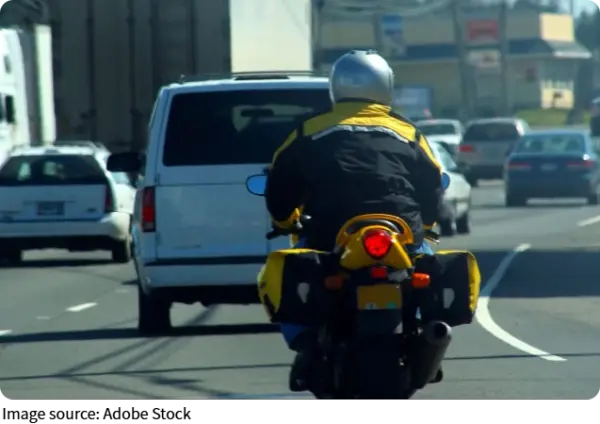
Why the riding feel changes
Riding feel is not only about numbers on a spec sheet. High rpm changes sound, vibration, throttle response, and the sense of urgency. As the engine climbs toward the stronger part of its range, the bike can feel sharper, lighter, and more exciting. The response to throttle input often becomes more immediate, which makes the machine feel energetic and playful.
Low rpm torque gives a different character. It feels relaxed and effortless, with less need to shift gears. High rpm performance feels more dramatic and involving. Neither is magically better in every situation. One is like a steady friend who always arrives early. The other is like a friend who shows up late but turns the whole room electric.
Why motorcycles often lean this way
Motorcycles usually have to make strong performance from compact engines. Since engine size is limited, revving higher is one of the easiest ways to produce more power. That is why many sport oriented motorcycles are designed to spin fast and make their best output higher in the rev range. The machine is using speed of rotation to compensate for smaller displacement.
Engine design decides where the sweet spot sits. Intake and exhaust tuning, valve setup, piston travel length, and gearing all influence whether a motorcycle feels punchy at low rpm or thrilling at high rpm. Riders then feel those choices directly through the throttle, gearbox, and chassis behavior.
In the end, motorcycle engines like high rpm because more engine speed can unlock more power, especially in machines designed to breathe well and spin freely. The link between rpm, power, and riding feel is what gives different bikes their personality. So next time a motorcycle seems happiest higher up the rev range, that is not attitude for show. It is the engine stepping into the part of the song where it knows all the words.