Classic Lines Stay

Margot
| 18-08-2026
 · Automobile team
Hi, Readers! A classic sports car can change with new materials, new engineering, and new driving needs, yet certain design cues keep showing up decade after decade.
That is what makes this topic so interesting. Even when proportions shift and surfaces become cleaner, the core visual language often stays familiar.
Looking at how car design has changed over time, it becomes clear that some shapes are not just nostalgic decoration. They continue because they support performance, brand identity, and that instant emotional pull people expect from a true classic machine.
Early sports car design relied heavily on proportion. One of the most persistent features is the long front section paired with a compact passenger cabin. That layout came from practical packaging, since many early high-performance cars placed large power units in front and sent drive to the rear. Even as engineering evolved, the visual effect remained powerful. A long hood suggests speed even when the car is standing still. It creates tension in the side view and gives the car a sense of purpose. Designers have returned to this proportion again and again because it communicates capability so clearly.
Another enduring element is the low roofline and wide stance. Sports cars have long been shaped to look close to the road, and that impression still matters. A low silhouette reduces visual bulk and makes the vehicle appear agile. A broad track, emphasized by muscular wheel arches, adds stability to the overall form. Over the decades, these details have been refined rather than abandoned. The surfaces may become smoother, the lines may be sharper or softer depending on the era, but the basic message remains the same: this is a car built around motion, control, and precision.
Lighting That Keeps Its Character
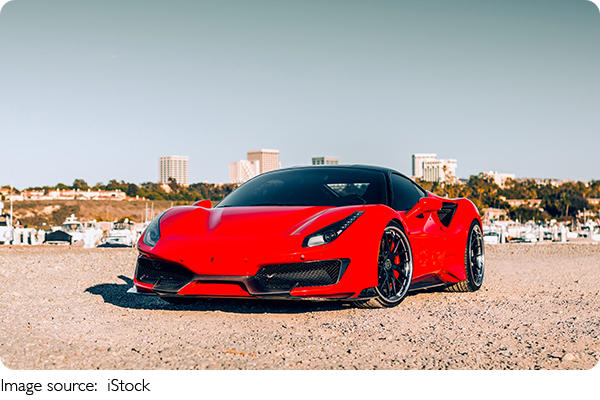
Round or clearly defined front lamps are another classic cue that has survived many design cycles. In earlier decades, lighting units were constrained by technology, so their forms were relatively simple. Yet simplicity turned into identity. Even as lamp technology advanced and allowed more freedom, many designers continued to reference those older shapes. The reason is easy to understand. Distinctive lamps act like a signature. They make a car recognizable at a glance and preserve continuity between generations. On classic sports cars especially, front lighting often carries a surprising amount of emotional weight.
Rear design has also preserved key ideas. Clean tail treatment, strong shoulders, and a clear horizontal emphasis have remained common. A horizontal rear view can make a car look planted and confident. It visually widens the body and supports the sense of balance established by the front. While spoilers, vents, and aerodynamic details have changed over time, the most lasting rear designs avoid clutter. They focus on simple geometry and disciplined surface treatment, which helps them age gracefully.
Air, Speed, and Useful Form
Aerodynamics gradually became more central to sports car design, but that did not erase classic styling themes. Instead, useful aerodynamic shaping often blended with established visual traditions. Curved fenders, tapered cabins, and smooth body sides all help air move cleanly around the vehicle, yet they also reinforce the timeless sports car look. This is one reason many classic elements have survived. They are not merely decorative habits. In many cases, they also make functional sense.
Openings for cooling and airflow provide another example. Front intakes, side inlets, and vented surfaces have appeared in different forms across generations. Their size and placement vary according to engineering needs, but the principle has stayed familiar. Performance-focused cars need to manage heat and airflow efficiently, and these visible openings became part of the visual language. When handled well, they add technical credibility without overwhelming the whole design.
Why Some Shapes Never Leave
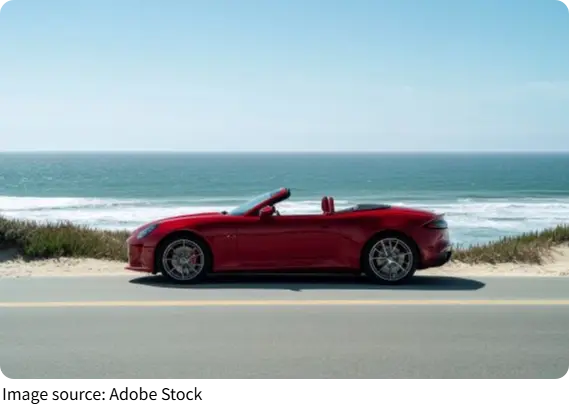
The most durable classic design elements tend to survive for three connected reasons. First, they are tied to mechanical logic. Proportions, stance, and airflow features often come from real performance requirements. Second, they build recognition. Brands and enthusiasts value continuity, so familiar shapes become part of a lasting identity. Third, they simply feel right. Certain combinations of height, width, curvature, and balance trigger an immediate sense of speed and elegance.
At the same time, preservation does not mean repetition without change. The strongest designs reinterpret familiar cues in a fresh way. Modern sports cars may use cleaner surfacing, more integrated lighting, and more precise detailing, but they still echo the visual principles established long ago. That balance between continuity and renewal is what keeps the category alive.
Classic sports car design has evolved a great deal, but the key forms have not disappeared. Long proportions, low bodies, defined lamps, strong rear shoulders, and purposeful air management continue to shape how these cars look and feel. If you love classic automotive style, it is worth paying attention not just to what changes, but to what designers keep protecting year after year.