Why We Love Sports Cars

Elise
| 19-08-2026
 · Automobile team
Hi, Readers! A sports car has a special kind of appeal that goes far beyond getting from one place to another.
It promises quick response, sharp handling, and a design that feels intentional from every angle. That is why so many people find these cars fascinating.
Sports cars are built around performance, driving enjoyment, and a strong visual identity, and that combination creates an experience that feels personal as well as exciting.
A sports car is generally designed with an emphasis on dynamic performance, including handling, acceleration, top speed, and driver engagement. What matters most is the priority given to agility and driver engagement. This focus changes the whole character of the vehicle. In a regular car, comfort and practicality often lead the design. In a sports car, the driver's connection with the road is placed much closer to the center.
The Pull of Speed
Speed is one of the most obvious reasons people are drawn to sports cars, but the fascination is not only about large numbers on a dashboard. It is also about how quickly the car reacts, how smoothly it builds momentum, and how confidently it enters and exits a curve. A sports car is usually lighter, lower, and more responsive than an ordinary passenger vehicle, which gives it a sense of immediacy. Even before reaching high speed, the car can feel lively and alert, and that feeling is deeply satisfying to many drivers.
There is also a mental side to speed. Quick acceleration and precise control create a heightened sense of attention. The driver becomes more aware of timing, steering input, and road surface. This makes the experience feel immersive. In that sense, the appeal of speed is tied not just to movement, but to concentration and rhythm. People are often captivated by sports cars because they turn driving into a more active and memorable experience.
Design That Signals Purpose
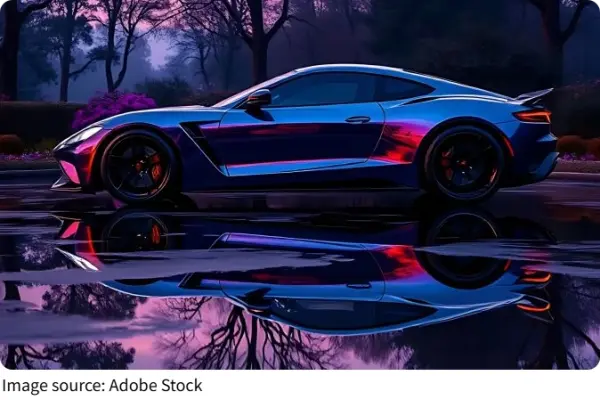
Design plays an equally important role. Sports cars are often shaped to suggest motion even when standing still. Their low profile, balanced proportions, and carefully sculpted surfaces communicate intent. The appearance tells you something before the engine even starts: this vehicle was made with performance in mind. That clarity of purpose is a big part of the attraction.
At the same time, sports car design is not only about appearance. Form often follows function. A low center of gravity can support handling, body shape can improve airflow, and cabin layout can keep the driver focused. Because of this, people often respond to sports cars as complete objects where engineering and styling work together. The beauty feels earned, not decorative. That gives the design emotional weight.
Why the Appeal Lasts
The lasting appeal of sports cars comes from the way several qualities meet in one place. Performance provides excitement, design creates visual impact, and the driving experience builds emotional connection. Few other products combine technical precision and personal feeling so directly. That combination helps explain why sports cars continue to capture attention across generations.
In the end, what makes sports cars so compelling is not just speed or appearance on its own. It is the union of response, form, and feeling. When a car can engage the eyes, the hands, and the mind at the same time, it leaves a lasting impression. If you have ever felt drawn to one, that reaction makes complete sense. The real question may be which part speaks to you most: the pace, the design, or the experience itself.
The Emotional Experience
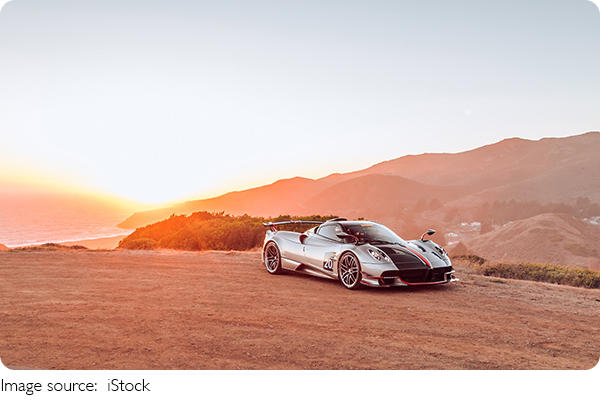
Perhaps the strongest source of fascination is emotional. Sports cars often create a sense of anticipation before a drive even begins. The seating position, the steering feel, the sound of the engine, and the closeness to the road all contribute to a distinctive atmosphere. These details can make the driver feel involved in a way that more practical cars rarely do.
This emotional connection is also linked to identity and aspiration. For some people, sports cars represent freedom, self-expression, or a lifelong interest in engineering and design. For others, they recall memorable drives, admired models, or a dream formed early in life. The car becomes more than an object because it gathers meaning around itself. That is why fascination with sports cars can remain strong even among people who do not own one.