The Power of Color

Bianca
| 19-08-2026
 · Automobile team
Hi, Readers! A classic sports car is rarely just about speed.
The first thing most people notice is color, and that reaction is almost instant. A bright yellow coupe can feel playful and daring, while a deep silver model may seem precise and technical.
In the world of classic performance cars, color works like a quiet language. It tells people what a car stands for before the engine even starts, which is why special shades have become such a lasting part of sports car culture.
Color psychology helps explain this appeal. Certain tones create emotional expectations. Red often suggests energy, urgency, and confidence. Blue can feel calm, composed, and trustworthy. Green may signal individuality and a closer link to nature. Black usually brings a sense of authority and mystery, while white feels clean and modern. When these ideas are applied to sports cars, the effect becomes even stronger because the shape of the car already carries drama. A special color does not simply decorate the body. It amplifies the entire character of the machine.
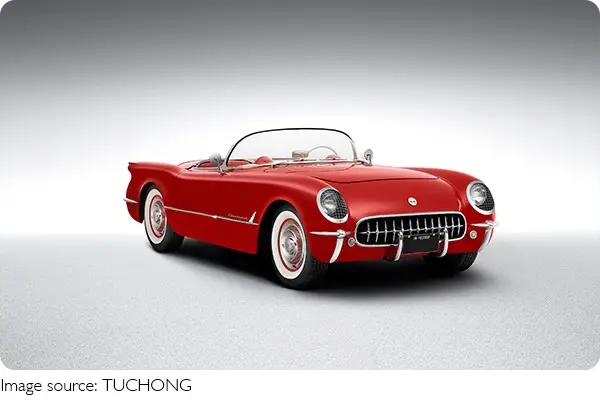
Why classic models used standout shades
For classic sports cars, unusual colors were often a deliberate choice rather than a random styling decision. Performance cars are emotional purchases, and makers understood that buyers wanted something memorable. A rare shade could turn a car into a statement of personal taste. It also helped a model stand out in photographs, at motorsport events, and in showrooms. Over time, certain colors became tied to particular models and brands, which gave them a near-mythic status among enthusiasts.
There is also a historical reason special colors became so important. Earlier performance cars were often built in smaller numbers, and that made every visual detail matter more. If a maker introduced a vivid orange, rich emerald, or soft pastel blue, the color itself could become part of the car's identity. Collectors still respond strongly to this today. A classic model finished in a period-correct special tone can feel more authentic, more distinctive, and more emotionally powerful than the same car in a standard neutral shade.
How color shapes perception
A sports car in a special color changes how people read its design. Curves appear softer or more dramatic depending on the paint. Sharp lines can look cleaner in silver or white, while saturated tones can make a compact car seem more energetic and alive. This is one reason classic performance cars so often appear in bold factory shades in magazines and exhibitions. Color helps viewers understand the design quickly, almost without thinking.
There is a social side as well. People often choose car colors as an extension of self-image. Someone drawn to a vivid yellow or bright green model may value visibility, optimism, and individuality. Another person may prefer dark blue or graphite because it suggests restraint and confidence. In classic sports cars, this choice becomes even more meaningful because the car is usually not just transportation. It is a curated object, one that reflects memory, aspiration, and personal style.
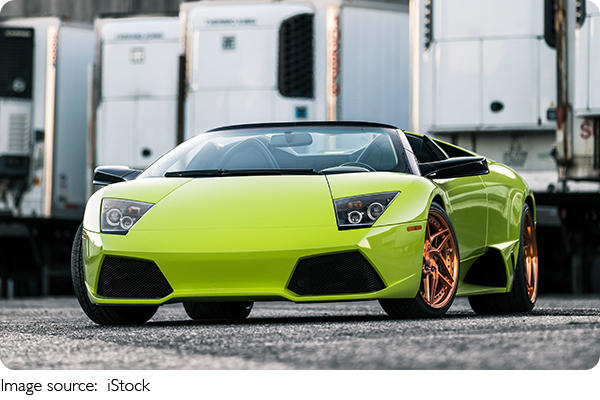
Why special colors endure
Special colors last because they create stories. When people remember a famous classic sports car, they often remember the shade along with the silhouette. The color becomes shorthand for the entire experience. It can evoke an era, a design philosophy, or a maker's identity in a single glance. That kind of recognition is powerful, and it explains why certain tones remain desirable long after trends shift.
There is also the matter of rarity. Limited paint options, custom orders, and brand-specific shades give collectors and fans something concrete to care about. A distinctive color can raise emotional value because it feels less replaceable. It turns the car into something more than a product. It becomes an artifact of taste and intention.
In the end, classic sports cars favor special colors because color carries meaning. It shapes first impressions, deepens design, and gives each model a stronger identity. If you ever find yourself drawn to one particular shade on a classic car, that response is not accidental. It is part psychology, part design, and part memory, all working together. Which sports car color speaks to you most clearly?