Sports Car Culture

Elise
| 20-08-2026
 · Automobile team
Hi, Readers! Few machines have changed car culture quite like the sports car.
What started as a specialized type of vehicle built for agility, speed, and driver enjoyment gradually grew into a worldwide cultural symbol. Along the way, sports cars influenced engineering, design, motorsport, media, and everyday ideas about what driving could mean.
Their story is not just about performance. It is also about identity, aspiration, and the way technology and style can travel far beyond a small circle of enthusiasts.
Early foundations
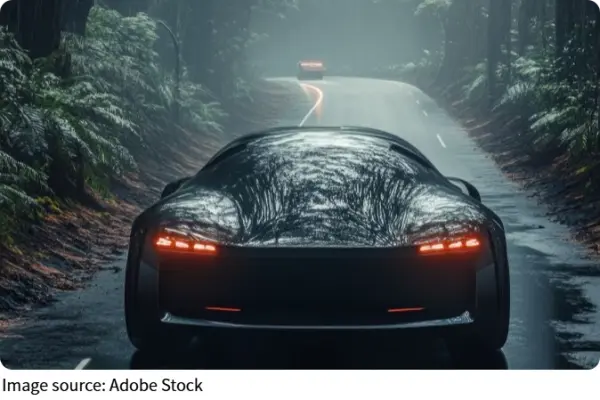
The sports car emerged from the early years of motoring, when lightweight construction and responsive handling began to matter as much as simple transportation. In its basic form, a sports car was designed with performance in mind, especially acceleration, cornering ability, and driver engagement. Early examples were often open-top, compact, and mechanically direct. They appealed to drivers who wanted something lively rather than purely practical. At first, this appeal was limited. Sports cars were not aimed at the broad public, since many buyers still wanted comfort, passenger space, and reliability over spirited performance.
From specialist machines to public fascination
As automotive engineering improved, sports cars became more visible and more influential. Better engines, more advanced chassis design, and improved manufacturing helped them move beyond a narrow enthusiast audience. Public fascination grew because these cars represented excitement and technical progress in a way ordinary vehicles often did not. They became associated with road rallies, competitive driving, and a sense of freedom tied to the act of driving itself. Even people who never owned one could recognize the appeal. The sports car became an object of admiration rather than just a niche machine.
Design, performance, and identity
One reason sports car culture expanded so strongly was the clear link between appearance and purpose. Long hoods, low bodies, two-seat layouts, and carefully shaped lines gave sports cars a visual language of speed. Their design told a story before the engine even started. At the same time, performance remained central. Steering feel, balance, braking, and acceleration all helped define the category. This combination of visual drama and mechanical capability gave sports cars cultural weight. They were not just cars. They became expressions of taste, ambition, and personal style.
Motorsport and global influence
Competitive driving played a major part in spreading sports car culture. Racing helped manufacturers prove engineering ideas and build prestige, while spectators connected sports cars with endurance, precision, and innovation. As media coverage expanded, the sports car reached audiences far beyond racetracks and specialist publications. It appeared in films, magazines, television, and later online communities, turning a once-limited interest into a global automotive culture. Different regions developed their own interpretations, yet the core idea remained recognizable: a car built to make driving more intense and rewarding.
Changing forms, lasting appeal
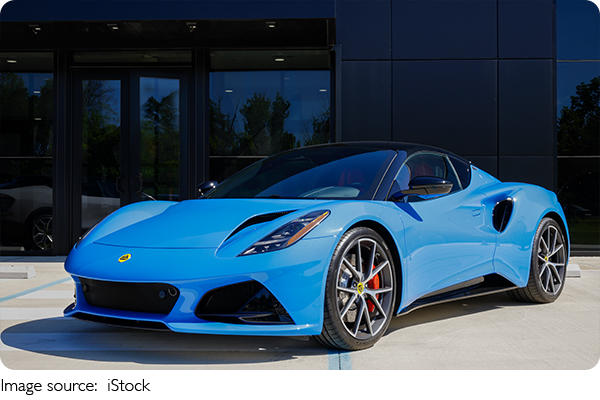
Over time, the sports car category broadened. Some models stayed small and minimal, while others became more refined, more expensive, and more powerful. New materials, improved aerodynamics, and advanced electronics changed how sports cars performed and who could enjoy them. Even so, the core values stayed remarkably stable. A sports car still emphasized performance, responsiveness, and emotional connection. That consistency helped the culture survive changing markets and shifting consumer needs. What began as a limited enthusiast interest became a durable part of mainstream automotive imagination.
In the end, sports car culture grew because it offered more than speed alone. It brought together technology, design, and driving enjoyment in a distinctive form. Its influence now extends far beyond owners and collectors. From racing circuits and car shows to films, social media, and enthusiast communities, the sports car remains one of the clearest symbols of automotive passion.