Supercar vs Sports Car

Celia
| 12-08-2026
 · Automobile team
Hi, Readers! Fast cars can look similar at first glance, but the gap between a supercar and a regular sports car is much bigger than a flashy shape or a loud engine note.
The real difference comes from how each car is designed, what performance target it aims for, what materials it uses, and how much engineering goes into every part. A sports car is usually built to deliver agility, driver involvement, and everyday excitement.
A supercar takes those goals much further, pushing performance, technology, and construction into a far more extreme range.
A regular sports car typically focuses on balance. It is quick, sharp in corners, and rewarding to drive, but it still leaves room for comfort, practicality, and cost control. Many sports cars are designed so drivers can use them often, not just on special occasions. Supercars, by contrast, are built around maximum capability. Their acceleration, top speed, braking, and cornering are all developed with much fewer compromises. In simple terms, a sports car feels fast and fun, while a supercar is intended to feel extraordinary.
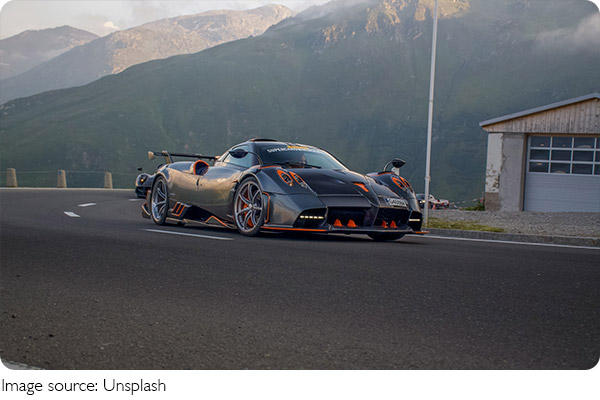
Performance Targets
One of the clearest differences is raw performance. Sports cars often have strong acceleration and precise handling, but supercars operate in a higher tier. They usually deliver much more power, much quicker response, and far greater top-end speed. That advantage does not come only from a bigger engine. It also comes from tighter aerodynamics, advanced cooling, specialized tires, and chassis systems that help the car stay stable at very high speed. In many cases, a sports car is engineered to perform well on public roads, while a supercar is engineered with track-level expectations in mind.
Engine And Power Delivery
Sports cars can use a wide range of engine layouts, from compact turbocharged units to larger naturally aspirated designs. Their power is often tuned to create a lively and manageable driving experience. Supercars usually move into a more specialized category, with higher-output engines, more exotic layouts, and far more aggressive tuning. Power delivery is calibrated for immediate response and intense acceleration. The result is not just faster straight-line performance, but also a stronger sense that every mechanical system is working near the top of its capability.

Technology And Chassis Systems
Technology is another major dividing line. A sports car may include adaptive suspension, traction management, and selectable drive modes, but supercars often use more advanced and more deeply integrated systems. These can include active aerodynamic elements, highly complex stability calibration, advanced dual-clutch transmissions, rear-wheel steering, and very sophisticated damping control. The purpose of this technology is not only to raise speed, but to make extreme performance usable. A supercar often depends on electronic and mechanical coordination at a very high level, especially when cornering, braking, or accelerating out of a turn.
Materials And Manufacturing
Manufacturing methods also separate the two categories. Many sports cars rely on aluminum, high-strength steel, and shared production techniques that help keep prices under control. Supercars more often use carbon-fiber structures, lightweight composites, and specialized assembly methods intended to reduce mass while increasing rigidity. The manufacturing process can be much more labor-intensive, with tighter tolerances and more hand-finished details. This does not just affect prestige. It changes how the car behaves, because lower weight and higher stiffness improve acceleration, handling, and braking.
Design Philosophy And Daily Use
Another key difference is usability. A sports car usually keeps at least some connection to daily driving needs. It may offer decent visibility, luggage space, and ride comfort. A supercar tends to care less about convenience and more about drama, airflow management, cooling requirements, and visual impact. Its low body, wide stance, and complex surfaces are often shaped as much by function as by style. That means the supercar is usually more demanding to own and drive, even though it delivers a more intense experience.
Price And Exclusivity
Price reflects all of these differences. Sports cars span a broad range and can be relatively accessible compared with supercars. Supercars sit much higher because their performance, materials, engineering complexity, and lower production volume all cost more. Exclusivity is part of the category too. A supercar is often designed to feel rare, not just quick. That rarity comes from limited production, specialized development, and the brand image built around exceptional capability.
In the end, the difference between a supercar and a regular sports car is not just about being faster. It is about the entire philosophy behind the machine. Sports cars aim to combine performance and enjoyment in a more usable package, while supercars chase extreme results through advanced engineering, lighter materials, and more specialized construction. If you are comparing the two, the best question is not simply which one is quicker, but what kind of driving experience you truly want.