SUV Power Match

Pankaj Singh
| 12-08-2026
 · Automobile team
Hi, Readers! Choosing an SUV is not just about size, looks, or cabin space.
The way the engine, transmission, and drivetrain work together can completely change how the vehicle feels on the road. Some setups feel relaxed and smooth in daily driving, while others feel quick, confident, and ready for heavy loads.
When people talk about an SUV being easy to drive or tiring to live with, a lot of that feeling comes down to power matching.
A small-displacement engine paired with a turbocharger often gives an SUV a light, lively character. In city driving, this kind of setup can feel responsive because turbocharging helps the engine deliver useful pull at lower speeds. When matched well with the transmission, it can make stop-and-go traffic feel easier and less effortful. But the driving experience depends on calibration. If the transmission hesitates before downshifting, or if turbo response feels delayed, the SUV may seem less smooth when merging or climbing.
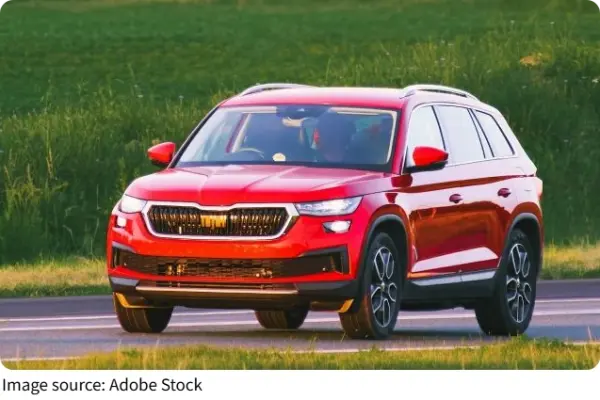
Small engine, turbo feel
Many compact and midsize SUVs now use four-cylinder turbo engines because they balance performance and efficiency in a practical way. On paper, these engines may look smaller than older six-cylinder options, yet they often produce similar torque in normal driving ranges. That means the SUV can feel strong when pulling away from a light or cruising at moderate speed. For families and commuters, this usually translates into a quieter, easier everyday experience, especially when the engine does not need to rev too high.
Still, there is a difference between strong numbers and natural feel. A turbo four can sometimes sound busier under hard acceleration, and when the vehicle is fully loaded with passengers and luggage, the engine may need to work harder. If you often drive in hilly areas or carry a lot of weight, the pairing between engine output and gearbox tuning matters even more. A well-matched setup feels smooth and predictable. A less polished one may feel strained.
Six-cylinder smoothness
A six-cylinder engine usually changes the character of an SUV in a very noticeable way. Instead of relying as much on boost, it tends to deliver power in a more linear and effortless manner. That can make highway passing feel calmer and more controlled. It also helps with towing or carrying heavier loads, since the engine often has more reserve power without needing to work as hard.
This kind of power delivery often feels more refined to the driver. The acceleration can be smoother, and the sound may be less harsh during long trips. The trade-off is that a larger engine usually brings higher fuel use and a higher purchase price. For some drivers, the extra smoothness is worth it. For others, a modern smaller turbo engine already feels more than capable.

Transmission tuning matters
The transmission is one of the biggest parts of the driving experience, even when buyers focus mainly on horsepower. A well-tuned automatic can keep the engine in its most useful range, making acceleration feel natural and steady. Too many gear changes, delayed responses, or awkward low-speed behavior can make even a powerful SUV feel tiring in daily use.
An engine and transmission should feel like they understand each other. In relaxed driving, the best combinations shift cleanly and avoid unnecessary fuss. When you press harder, they respond quickly without a dramatic pause. This is especially important in SUVs because they are often used for many roles at once, from school runs to road trips to carrying heavier cargo. Good matching makes the whole vehicle feel more settled.
Drivetrain changes the feel
Front-wheel drive, all-wheel drive, and four-wheel-drive-based systems also influence how power reaches the road. Front-wheel-drive SUVs are often lighter and can feel efficient and easy in daily use. All-wheel-drive versions usually add confidence in poor weather and can improve traction when accelerating from a stop. That added grip can make the SUV feel more composed, though it may also add weight and slightly reduce efficiency.
For many drivers, the real question is not which setup sounds best, but which one suits real life. If most driving happens in town with occasional highway trips, a smaller turbo engine with a smart automatic may feel ideal. If the SUV regularly carries full loads, travels through mountains, or tows, a stronger engine and a well-calibrated all-wheel-drive system can make the experience more relaxed and capable.
In the end, the best SUV powertrain is the one that feels natural in your daily routine. Look beyond simple output figures and pay attention to how the engine, transmission, and drivetrain work together. That combination shapes response, smoothness, confidence, and comfort far more than one headline number ever could. If you are comparing options, think about where you drive, what you carry, and how you want the vehicle to feel each day.