Antananarivo Highland Guide

Santosh Jha
| 11-08-2026
 · Travel team
Antananarivo, often called Tana by locals, is not the tropical beach city many first-time visitors imagine when they think of Madagascar.
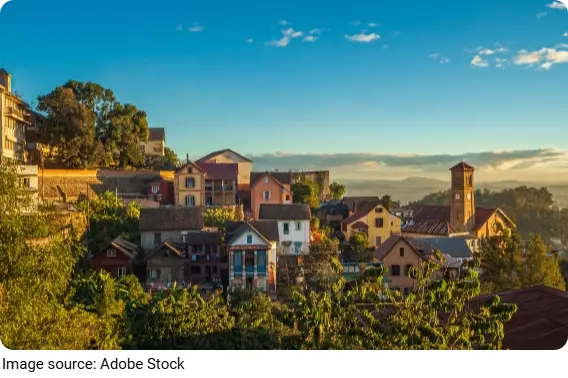
Built across twelve hills in the central highlands, the capital is a city of red-earth roads, historic royal sites, busy markets, colonial-era streets, and daily life shaped by Malagasy traditions.
A practical visit needs around 2 to 3 days. That is enough time to understand the historic core, experience local markets, visit nearby attractions, and prepare for onward travel. The biggest planning decisions are where to stay, how to move around, and how to organize your route because the city is crowded and spread across steep hills.
Antananarivo
Understand Antananarivo Before You Arrive
Antananarivo sits at around 1,280 meters above sea level in Madagascar's central highlands. The elevation gives the city cooler temperatures than many tropical capitals, but the landscape also creates a challenge: steep roads, traffic congestion, and neighborhoods built across different hills.
The city is divided between the historic upper areas and the newer commercial districts. Travelers who plan carefully can experience both sides without wasting hours in traffic.
Choose the right travel season
The best months to visit Antananarivo are April to November.
Season comparison:
• April to June: one of the best periods. The rainy season has ended, landscapes remain green, and temperatures are comfortable.
• July to September: dry season with cooler weather, often around 10°C to 25°C. Good for city walking and combining with national parks.
• October to November: warmer, fewer international visitors, and still generally suitable for travel.
• December to March: rainy season. Heavy rainfall can affect roads, especially for travelers continuing to rural areas.
For first-time visitors, May to October is usually the safest choice.
Bring layers. Many travelers underestimate the highland climate because Madagascar is associated with tropical weather, but evenings in Antananarivo can feel cool.
Decide how many days to stay
Antananarivo is usually not the main destination of a Madagascar trip, but rushing through it creates a missed opportunity.
Recommended pace:
• 1 day: only enough for major highlights.
• 2 days: suitable for first-time visitors.
• 3 days: ideal if you want markets, museums, and a nearby nature visit.
A good arrival plan:
• Day 1:
Arrive, rest, and explore your nearby neighborhood.
• Day 2:
Visit historical sites and markets.
• Day 3:
Take a short trip outside the city or continue to another region.
Avoid planning a long road journey immediately after an international arrival. Madagascar distances are deceptive, and transfers often take longer than expected.
Explore the Real Character of Tana
Antananarivo's charm is not concentrated in one landmark. The city is best understood through a combination of history, viewpoints, markets, and everyday streets.
Start with the historic upper city
The upper areas provide the strongest introduction to Antananarivo's past.
Important stops:
• Rova of Antananarivo: The former royal palace complex on the highest hill of the city. It offers one of the best views over the capital and explains Madagascar's royal history.
• Andafiavaratra Palace: Located near the Rova area, it provides more historical context.
• Ambohimanga Royal Hill: About 20 to 25 kilometers northeast of central Antananarivo. This UNESCO World Heritage Site was the spiritual center of the Merina kingdom.
Allow:
• Rova area: around 1 to 2 hours.
• Ambohimanga: around half a day including transportation.
The roads around these sites can be steep, so comfortable shoes are important.
Move Around and Plan Your Budget
Transportation is the part of Antananarivo that requires the most preparation.
Choose transportation wisely
The city has a large network of minibuses called taxi-be, but they are crowded and difficult for visitors carrying luggage.
Better options:
• Hotel-arranged taxi: easiest for first-time travelers.
• Private driver: useful for full-day exploration.
• Ride-hailing services: available in some areas depending on current availability.
Approximate costs:
• Airport transfer: around USD 15 to 30.
• Short city taxi rides: around USD 3 to 10.
• Private driver for a day: around USD 40 to 80.
Ivato International Airport is about 15 to 20 kilometers from central Antananarivo, but traffic can make the journey take 45 minutes to 1.5 hours.
Do not judge travel time by distance alone. Traffic is one of the biggest factors affecting schedules.
Choose the right accommodation area
For first-time visitors:
• Antaninarenina: convenient for central locations and historic areas.
• Isoraka: popular with travelers because of restaurants and easier access.
• Ivandry: quieter and more modern, but farther from historic attractions.
Typical prices:
• Budget guesthouses: around USD 25 to 60 per night.
• Mid-range hotels: around USD 70 to 150 per night.
• Higher-end hotels: USD 180 or more.
Staying near restaurants and main roads is usually more practical than choosing the cheapest distant accommodation.
Know your realistic budget
A comfortable 3-day Antananarivo trip:
• Accommodation: USD 210 to 450.
• Food: USD 20 to 50 per day.
• Transportation: USD 10 to 40 per day.
• Attractions: USD 10 to 40.
Total: around USD 300 to 700 per person excluding flights.

Antananarivo is worth choosing for travelers who want to understand Madagascar before heading into its forests, beaches, and wildlife areas. Spend two or three days exploring the royal hills, markets, and city viewpoints, then continue your journey with a deeper understanding of the island and its people.