Which 4WD Fits You?

Owen Murphy
| 08-09-2026
 · Automobile team
If you have ever looked at two SUVs parked side by side and wondered why both say they have four-wheel drive, yet one is happy on rainy streets while the other can keep going on rough trails, you are not alone.
The difference is not just a badge or a marketing phrase. It comes down to how the system sends power, how long it can keep working under stress, and what the vehicle was truly built to handle.
How four-wheel drive works
Four-wheel drive, also called 4WD, means power can be delivered to all four wheels instead of only two. According to the source, these systems are designed to improve traction on difficult surfaces. But not all systems work in the same way. Some vehicles use full-time setups that drive all wheels continuously.
Others use part-time setups, where the driver selects when extra traction is needed. There are also automatic systems that mainly behave like two-wheel drive until slip is detected, then send power to the other axle.
Why city SUVs feel different
City SUVs usually focus on comfort, efficiency, and confidence in daily driving. Their four-wheel-drive or all-wheel-drive systems are commonly designed for wet roads, light snow, gravel, and occasional uneven ground. In many cases, these systems rely on electronic sensors and clutches to shift power when the tires begin to lose grip.
That makes them smooth and easy to use, especially for drivers who spend most of their time on paved roads. Still, these setups are often not made for long, repeated use on deep mud, rocky paths, or steep loose surfaces where heat and mechanical stress build up quickly.
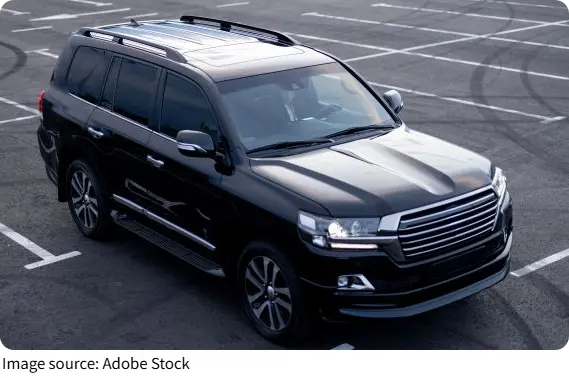
What makes off-road SUVs stronger
Off-road SUVs are usually built with more demanding conditions in mind. The source explains that traditional 4WD layouts often include a transfer case, which allows power to be split between the front and rear axles more directly. Many serious off-road vehicles also have low-range gearing.
This is a big deal because low range gives the vehicle more control at slow speed and more pulling ability when climbing, descending, or moving through rough ground. These vehicles may also offer stronger driveline parts and more durable systems meant to keep working when traction is poor for extended periods.
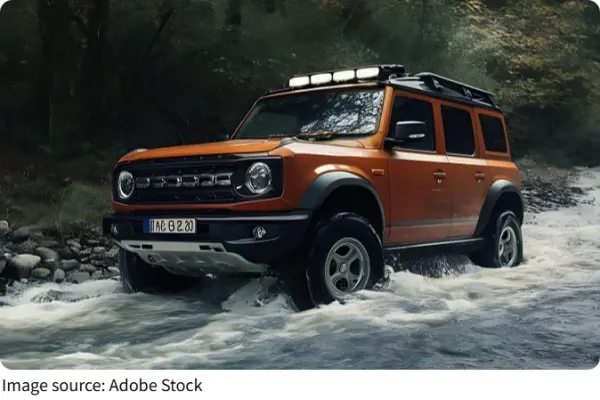
The biggest practical gap
The real gap between a city SUV and an off-road SUV is not simply whether all four wheels can receive power. It is whether the system can manage harsh terrain with consistency and control. A city SUV may react quickly when a wheel slips on a wet street, but that does not mean it can crawl through deep ruts or handle prolonged uneven terrain.
An off-road SUV is more likely to have hardware that supports those situations, including locking functions or gearing choices that help maintain traction even when one or more wheels are struggling.
Electronics versus mechanical strength
Modern vehicles often use electronics to improve traction, and that can work very well within the limits of the design. Brake-based traction control can reduce wheelspin and help redirect power. For daily use, this feels seamless and reassuring. But dedicated off-road systems often combine electronics with stronger mechanical components.
That combination matters because rough terrain is not only about brief wheel slip. It is about repeated load, uneven surfaces, sharp changes in grip, and the need for steady control at very low speed.
How to choose the right type
If your driving is mostly in the city, with rain, slippery roads, and occasional trips to mild countryside routes, a city SUV with an automatic four-wheel-drive style system is often enough. It gives extra confidence without asking much from the driver.
But if you plan to travel on rough tracks, steep dirt paths, deep loose ground, or remote routes, an off-road SUV makes far more sense. In that setting, stronger hardware and low-range capability are not extras. They are the reason the vehicle can keep moving calmly and safely.
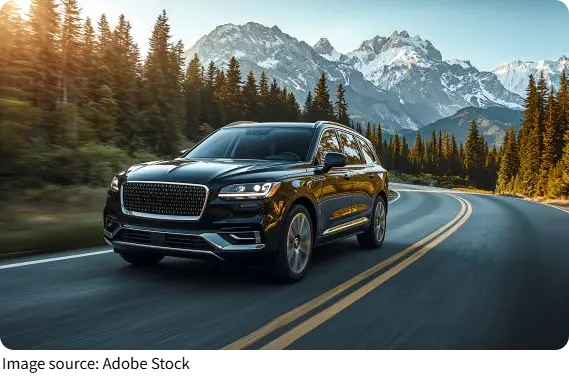
In the end, the difference between city SUVs and off-road SUVs comes down to purpose. Both may send power to four wheels, but they are not built with the same mission in mind. If you are choosing one, think honestly about where you will drive most often. That one simple question usually leads you to the right answer.